
Packing for Extreme Climates: Cold, Heat, and Everything in Between

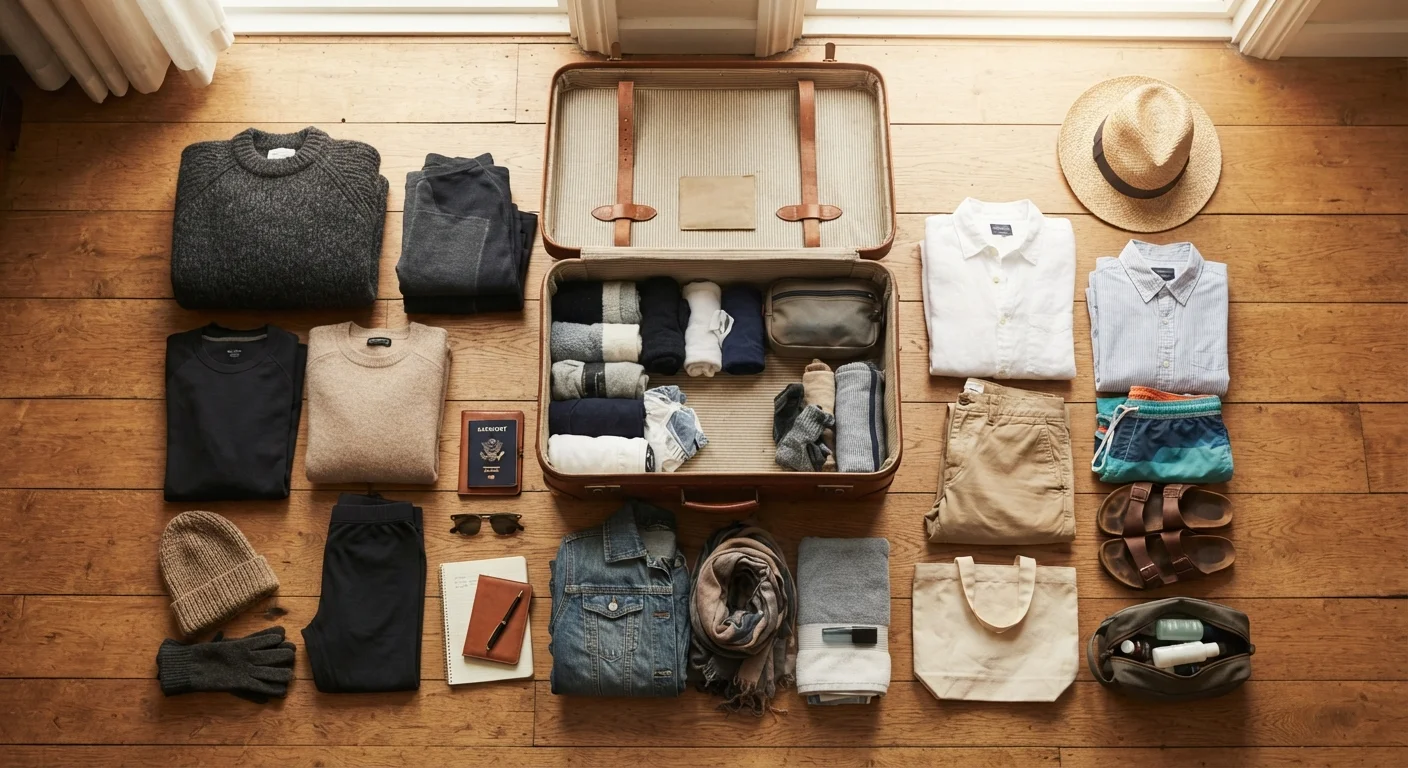
Photo: BridgeWish.com | Reliable Source Of Information editorial
Why Climate-Specific Packing Actually Matters
Most packing mistakes happen when travelers treat all trips the same way. Tossing a mix of tops and bottoms into a bag works fine for a temperate city break — but head into the Arctic tundra or a Saharan summer, and that approach falls apart fast. Extreme climates punish poor preparation, and more importantly, they reward deliberate choices.
The good news: packing for temperature extremes doesn't have to mean lugging a massive bag. It means understanding the specific demands of your environment and selecting gear that works with those conditions — not against them. Whether you're braving subzero cold, relentless desert heat, or a trip that swings between both, the framework below gives you a clear starting point.
For a broader look at how experienced packers approach any destination, check out how frequent travelers think about packing differently — the mindset shift alone is worth the read.
Packing for Cold Extremes: Layering Is Everything
Cold-weather packing revolves around one core principle: layering. A single thick coat rarely outperforms a well-chosen three-layer system, and it definitely takes up more bag space. The classic system works like this:
- Base layer: Moisture-wicking material (merino wool or synthetic) worn directly against skin. Its job is to move sweat away from your body — not insulate.
- Mid layer: Insulation — fleece, down, or synthetic fill. This is where warmth is generated and retained.
- Outer shell: A wind- and waterproof jacket that locks heat in and keeps the elements out.
Beyond the layers, extremities matter enormously. Hands, ears, and feet lose heat faster than your torso, so thermal socks, insulated gloves, and a hat that covers your ears are non-negotiables in genuine cold.
Packing tip: compression sacks can dramatically reduce the bulk of down jackets and fleece layers — a game changer for carry-on-only travelers heading somewhere cold.
Base layer
The garment worn closest to the skin in a layering system. Its primary role is moisture management — moving sweat away from the body rather than providing insulation.
Mid layer
The insulating layer in a cold-weather system, typically fleece, down, or synthetic fill. It traps warm air close to the body to retain heat.
Shell layer
The outermost layer in cold-weather dress, designed to block wind and repel water while protecting the insulating layers beneath.
Moisture-wicking
A fabric property that pulls sweat away from the skin toward the outer surface of the material, where it can evaporate. Common in synthetic and merino wool fabrics.
Packable
Describes gear — jackets, daypacks, rain layers — designed to compress into a compact form for easy storage in a bag when not in active use.
UV-protective clothing
Garments rated for Ultraviolet Protection Factor (UPF), which indicates how much UV radiation the fabric blocks. Useful for high-UV environments like deserts or high altitudes.
Packing for Heat Extremes: Less Is More, But Not All Less Is Equal
Desert heat and tropical humidity both demand light clothing, but the logic differs in key ways. In dry heat, loose, breathable natural fabrics — linen and lightweight cotton — allow airflow and help regulate body temperature. In humid heat, moisture-wicking synthetic or blended fabrics tend to outperform pure cotton, which saturates with sweat and stays damp.
Sun protection is the other major variable. A wide-brim hat, UV-protective clothing, and a packable sun shirt earn their keep in high-UV environments. Long sleeves in breathable fabric often beat short sleeves in intense sun, since they shield skin while still allowing air circulation.
Top 5
Essentials for extreme heat travel
Packing experts consistently cite sun hat, UV shirt, breathable footwear, packable daypack, and moisture-wicking base layer as the non-negotiable heat-climate core.
3 layers
Cold-weather layering system
The base-mid-shell framework is the foundational cold-climate packing structure recommended by outdoor and travel gear educators worldwide.
Footwear in hot climates should prioritize breathability and drainage — especially if water or sand are in the picture. And don't underestimate the value of a packable daypack: when you're keeping your main bag at accommodation, you only want to carry what you truly need.
For trips that combine heat-specific gear with other travel styles, packing for beach and hiking travel offers detailed breakdowns worth bookmarking.
When Your Trip Crosses Climate Zones
Many trips don't stay in one climate — think a Southeast Asian itinerary moving from air-conditioned city hotels into jungle heat, or a South American journey that descends from Andean cold into coastal warmth. These multi-climate trips are where smart packing really earns its keep.
The strategy: build around a neutral, versatile core and add climate-specific layers or items as targeted additions. A lightweight merino base layer, for instance, works in cold AND moderately warm conditions. A packable rain jacket crosses seasons. Neutral-colored quick-dry pants convert from cool evenings to warm afternoons with different footwear choices.
For destinations involving high altitude alongside cold and humid conditions, packing for cold, humid, and high-altitude destinations covers the overlap in useful detail.
The complete packing picture — from bag selection through clothing systems — lives in our complete guide to packing for any trip. And if this is your first time building a longer-trip packing system, packing for a week-long trip is a grounded starting point.
Always Verify Local Conditions Before You Go
The content on this site is for informational purposes only and is not a substitute for professional advice. Always consult a qualified professional for guidance specific to your situation.