
The Capsule Wardrobe Approach to Travel Packing

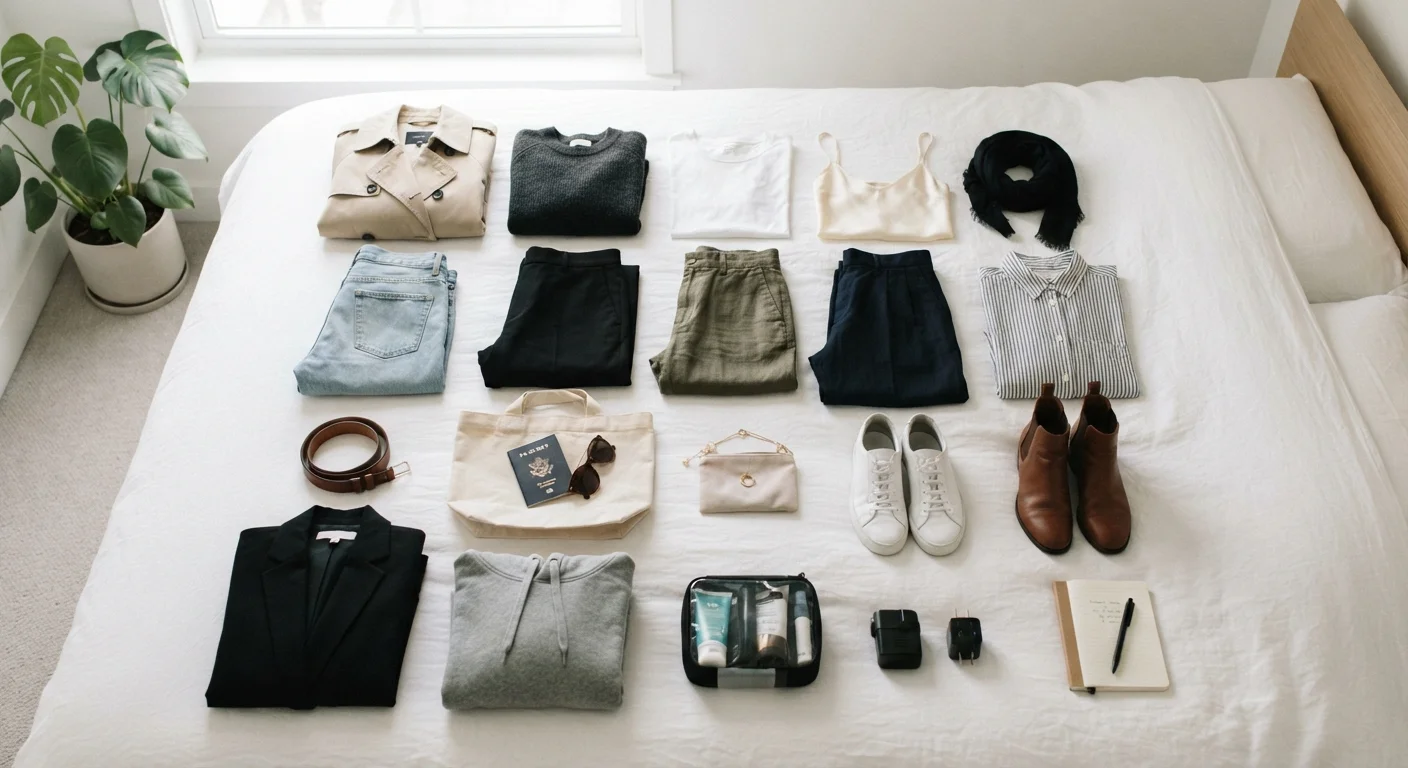
Photo: BridgeWish.com | Reliable Source Of Information editorial
Key Takeaways
- A capsule wardrobe uses 10–15 versatile pieces that mix and match into dozens of outfits.
- Neutral base colors and one accent color maximize combination options without extra weight.
- Layering replaces packing separate outfits for every temperature or occasion.
- Choosing the right fabric — wrinkle-resistant, quick-dry — cuts laundry and luggage bulk significantly.
- Planning outfits before packing prevents overpacking and ensures nothing useless makes the cut.
Why a Capsule Wardrobe Changes the Way You Travel
The capsule wardrobe concept — a small collection of interchangeable pieces that work together across multiple outfits — isn't new in fashion, but applying it to travel packing is genuinely transformative. When every item in your bag coordinates with every other item, you stop needing volume to feel prepared. You gain flexibility instead.
Travelers who have made this shift often describe the experience the same way: they feel lighter, move faster through airports and transit, and spend less mental energy managing their luggage. As explored in how frequent travelers think about packing differently, the move away from outfit-by-outfit packing is one of the earliest and most impactful mindset shifts seasoned travelers make.
This approach also scales across trip types. Whether you're doing a long weekend city break or three weeks abroad, the underlying logic stays the same — you're just adjusting the piece count. For a broader view of how clothing strategy fits into overall trip preparation, the complete guide to packing for any type of trip covers the full picture from luggage selection to security rules.
One Bag, Many Climates
How to Build and Pack Your Capsule Wardrobe
Follow the steps below to move from a full closet to a streamlined, travel-ready capsule. The process works whether you're packing for a business trip, a beach week, or a city exploration — the principles stay consistent even when the specific pieces change.
What you will need
Packing cubes
Compress and organize clothing sections within your bag for faster access and tidier packing.
Travel-sized laundry detergent or soap sheets
Allows you to hand-wash and re-wear items mid-trip, reducing how many clothes you need.
Carry-on or personal-item bag
Constrains the volume available so you are physically forced to pack only what fits the capsule approach.
Identify your trip's core activity zones
Before you touch your closet, write down the types of activities your trip will involve — casual sightseeing, business meetings, beach time, hiking, dining out. Group them into no more than three distinct zones. This prevents the trap of packing a completely separate wardrobe for every scenario.
Choose a neutral color palette with one accent
Select two to three neutral base colors — navy, black, white, grey, khaki, or olive are reliable choices — and pick one accent color you enjoy wearing. Every item you pack should fall within this palette. When everything coordinates, every top works with every bottom, multiplying outfit combinations exponentially without adding pieces.
Select fabrics built for travel
Prioritize wrinkle-resistant and quick-dry fabrics — merino wool, nylon blends, and moisture-wicking synthetics are especially practical. These materials look presentable after being folded in a bag for hours, can be hand-washed in a sink overnight, and dry quickly enough to wear again the next morning. Heavyweight cotton is convenient at home but becomes a burden on the road.
Build your capsule around a base number of pieces
A workable capsule wardrobe for a one- to two-week trip typically includes: 3–4 tops, 2 bottoms (one casual, one versatile enough to dress up), 1 lightweight layer or jacket, 1 dress or smart outfit if needed, 2–3 pairs of underwear and socks per planned laundry cycle, and 2 pairs of shoes maximum. Adjust the count up or down based on trip length and laundry access.
Plan complete outfits before packing
Physically lay out your selected items and create full outfits for every planned activity zone. Every piece must contribute to at least two distinct outfits. If something only works as one look, remove it. This step reveals gaps — you might discover you're missing a versatile layer — and eliminates redundancy before anything goes in the bag.
Pack using a compression or rolling method
Rolling clothes tightly reduces wrinkles and saves more space than folding. Packing cubes add an extra layer of compression and keep categories organized so you're not digging through everything to find one item. Place heavier items like shoes near the wheels or base of your bag to keep the weight centered and stable.
Avoid the 'Just in Case' Trap
Test Your Wardrobe Before You Travel
Once you've mastered the fundamentals here, you may want to explore building a travel wardrobe that works for any destination for guidance on adapting your capsule across different climates and cultural contexts. And if you're preparing for a specific type of trip, packing for every trip type breaks down the gear logic for business, beach, hiking, and city travel separately.
The content on this site is for informational purposes only and is not a substitute for professional advice. Always consult a qualified professional for guidance specific to your situation.