
Managing the Ongoing Costs of a Car You Already Own

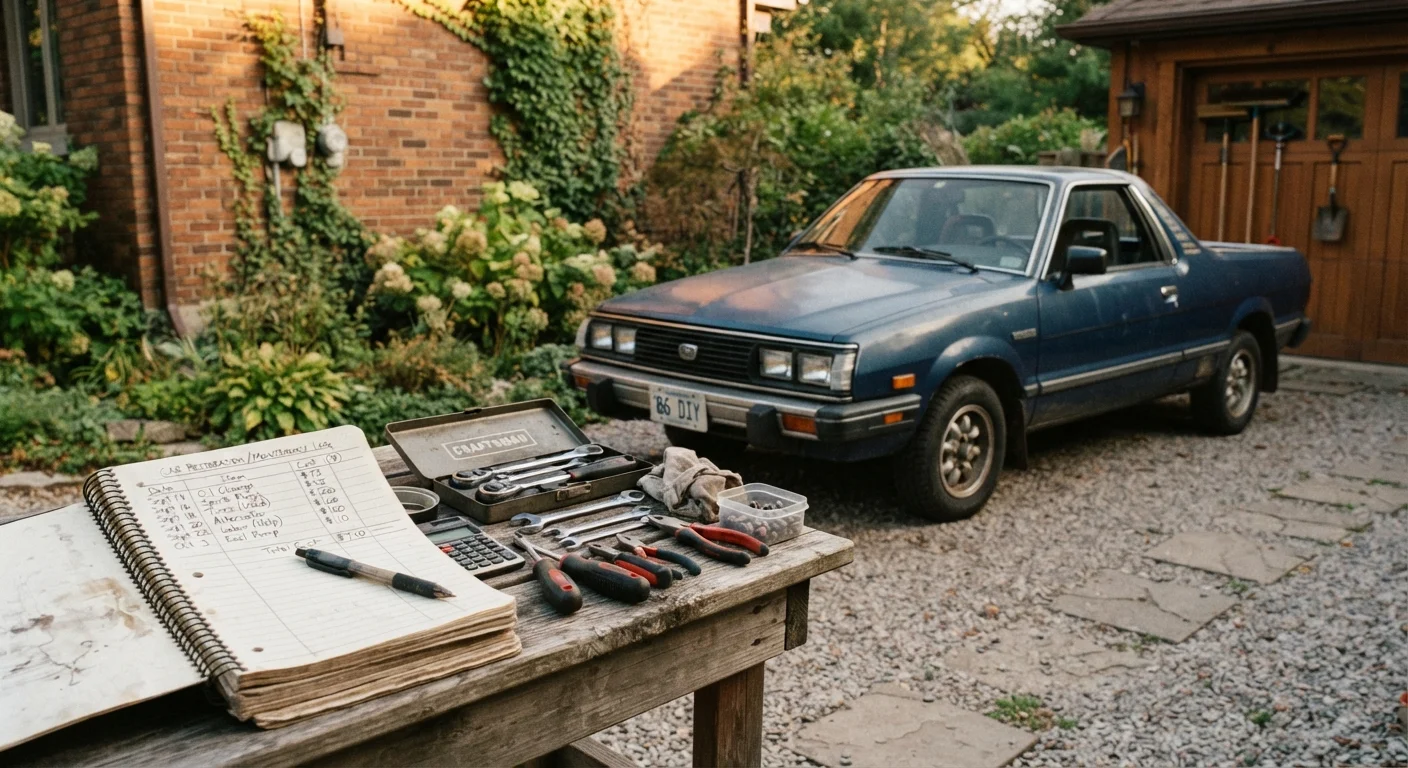
Photo: BridgeWish.com | Reliable Source Of Information editorial
Key Takeaways
- Fuel, insurance, tires, and maintenance together often exceed the original purchase price over a vehicle's lifetime.
- Building a dedicated car expense fund - even a small monthly amount - prevents budget shocks from unexpected repairs.
- Staying current on routine maintenance consistently reduces long-term repair costs.
- Reviewing your insurance coverage annually can reveal savings without sacrificing meaningful protection.
- A simple maintenance log helps you anticipate costs and catch recurring problems before they escalate.
Know What You're Actually Spending
Most drivers significantly underestimate what their car costs them each year. The purchase price is a one-time event; the ongoing expenses - fuel, insurance, registration, tires, oil changes, and unexpected repairs - accumulate quietly month after month. Before you can control these costs, you need to see them clearly.
Start by tracking every car-related expense for at least 90 days. This includes fuel fill-ups, insurance premiums, any maintenance visits, parking fees, and tolls. Many drivers find the total surprising. For guidance on building that habit, practical expense-tracking methods can help you find an approach that fits your lifestyle.
Once you have a realistic baseline, you can identify which categories are fixed (insurance, registration) and which are variable (fuel, repairs). That distinction matters when you're deciding where to focus your efforts.
$12,000+
Average annual cost to own and operate a vehicle
According to AAA's annual Your Driving Costs study, when accounting for fuel, maintenance, insurance, depreciation, and financing, the average annual cost of vehicle ownership regularly exceeds $10,000-$12,000 for a typical sedan.
~35%
Share of ownership costs that are maintenance and repair
Industry estimates consistently show that maintenance, tires, and repairs represent a substantial portion of total operating costs - making proactive upkeep one of the most impactful financial levers available to owners.
Build a Car Fund, Not Just a Budget Line
A common budgeting mistake is treating car expenses as a single monthly line item - then being caught off-guard when the transmission needs attention or a tire blows. The more resilient approach is a dedicated car fund: a separate savings account where you deposit a fixed amount each month regardless of what the car needs that month.
A reasonable starting point is to divide your vehicle's estimated annual costs - including an allowance for unplanned repairs - by 12. Even modest amounts, set aside consistently, can cover most mid-range repairs without derailing your broader finances. For a fuller picture of what those annual costs realistically look like, see what car ownership actually costs beyond the sticker price.
Maintenance: The Cost You Control Most
Of all ongoing car expenses, routine maintenance is the one where your choices have the clearest impact. Skipping oil changes, ignoring a slow tire leak, or deferring a brake inspection to save money today typically results in significantly higher bills later.
Follow the maintenance schedule in your owner's manual - not the more aggressive intervals sometimes suggested at quick-lube shops. Keep a simple log of every service: date, mileage, work performed, and cost. This record helps you anticipate upcoming needs, verify work that's been done, and spot recurring issues. The value of a good maintenance log extends beyond your car: similar documentation principles apply to home maintenance for the same reasons.
If you're newer to car ownership and uncertain what maintenance actually involves, a beginner's guide to vehicle maintenance walks through the core tasks and schedules clearly.
Log every car expense at the time it occurs, not from memory at month-end.
Set a monthly car fund contribution and treat it as non-negotiable.
Follow your owner's manual maintenance schedule rather than shop-suggested intervals.
Review your auto insurance coverage once per year, before renewal.
Address warning lights and minor issues promptly rather than deferring them.
Insurance and Registration: Review, Don't Ignore
Insurance premiums tend to rise incrementally, and many drivers simply renew without reviewing their coverage. Once a year - ideally before your renewal date - take 30 minutes to review your policy. Consider whether your coverage levels still match your vehicle's current value, your financial situation, and your driving habits. A car that has depreciated significantly may warrant a different coverage structure than it did when new.
Registration fees are largely fixed by your state, but keeping up with them prevents late fees and the legal complications of driving with an expired registration. Budget for renewal dates the same way you would a quarterly insurance payment - note it in your calendar several weeks in advance.
When to Reassess Your Coverage Level
Avoiding the common financial missteps that inflate ownership costs is equally important. Several common errors significantly raise what you pay to own a car - and most of them are avoidable with a bit of planning.
The content on this site is for informational purposes only and is not a substitute for professional advice. Always consult a qualified professional for guidance specific to your situation.