
Car Ownership for Beginners: What Maintenance Actually Involves

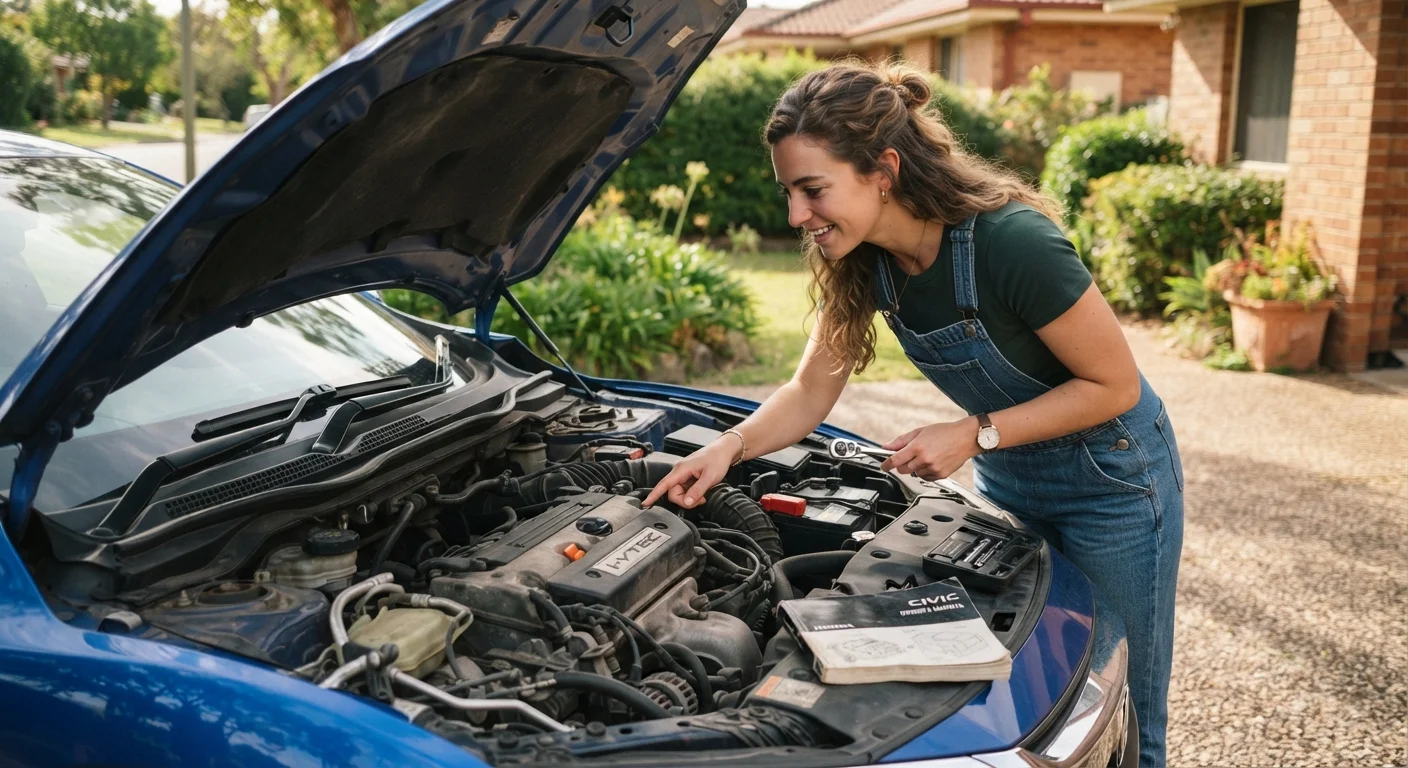
Photo: BridgeWish.com | Reliable Source Of Information editorial
Key Takeaways
- Regular maintenance prevents small problems from becoming expensive repairs.
- Your owner's manual is the most reliable source for your car's specific service intervals.
- Checking fluids and tire pressure are low-skill tasks most owners can handle themselves.
- Warning lights should never be ignored - address them promptly to avoid cascading damage.
- Some jobs require professional tools and expertise; knowing the boundary keeps you safe.
Why Maintenance Matters from Day One
Owning a car comes with a learning curve that extends well beyond parallel parking. Maintenance is the ongoing responsibility most new owners underestimate - and the one that has the biggest impact on both safety and long-term cost. Skipping or delaying routine service allows small issues to compound into major repairs that cost several times more than prevention would have.
The encouraging news: you don't need to be a mechanic to be a responsible car owner. Understanding what maintenance involves - even at a basic level - helps you catch problems early, communicate clearly with service professionals, and make informed decisions about your vehicle. For a broader look at the full cost picture, see managing ongoing ownership costs.
The Core Fluids Every Driver Should Know
Fluids are the lifeblood of your vehicle. Several need to be checked periodically and topped off or replaced on schedule.
Owner's manual
The booklet provided with every vehicle that details manufacturer-recommended service intervals, fluid specifications, and operating instructions specific to your car.
Tread depth
The measurement of the grooves on a tire's surface that channel water away and provide grip; shallower grooves mean reduced traction, especially in wet conditions.
Diagnostic code
An alphanumeric code stored by your car's onboard computer when a sensor detects a problem; a code reader or mechanic can retrieve it to identify the issue.
Coolant
A fluid (also called antifreeze) that circulates through the engine to regulate temperature, preventing both overheating in summer and freezing in winter.
Brake pads
Friction material that presses against the brake rotors to slow your vehicle; they wear down over time and must be replaced before they damage the rotors.
Cabin air filter
A replaceable filter that cleans the air entering your car's interior through the HVAC system, trapping dust, pollen, and debris.
- Engine oil lubricates moving parts and reduces heat from friction. It degrades over time and must be changed at intervals specified in your owner's manual - typically every 5,000 to 7,500 miles for modern vehicles using conventional oil, though full-synthetic oil can extend that range.
- Coolant (antifreeze) keeps the engine from overheating in summer and freezing in winter. Check the reservoir level when the engine is cold.
- Brake fluid transfers force from your brake pedal to the brakes themselves. It absorbs moisture over time, which can reduce braking performance.
- Power steering fluid (in non-electric systems) and transmission fluid are less frequently checked but no less important.
- Windshield washer fluid is the easiest to maintain - just keep it topped off for safe visibility.
Checking most of these takes under five minutes and no tools. Make it a monthly habit.
Tires, Brakes, and Filters: The Basics
Beyond fluids, three maintenance categories account for a large share of what keeps a car safe and reliable.
Never Ignore a Warning Light
Tires
Tire pressure should be checked monthly - under-inflated tires wear unevenly, reduce fuel efficiency, and increase the risk of a blowout. The correct pressure (measured in PSI) is listed on a sticker inside the driver's door jamb, not on the tire sidewall. Tires also need to be rotated roughly every 5,000 to 7,500 miles to promote even wear, and replaced when tread depth falls below safe minimums.
Brakes
Brake pads wear down gradually and need inspection at least once a year. Squealing or grinding noises when braking, a vibrating pedal, or longer stopping distances are signs that brake service is overdue. Brake work involves safety-critical components - have a qualified mechanic handle any repairs or replacements.
Filters
Your car uses an engine air filter (which protects the engine from debris) and a cabin air filter (which cleans the air you breathe inside the car). Both are relatively inexpensive to replace and should be inspected annually or per your owner's manual. See tasks first-time owners most often overlook for a deeper look at commonly skipped items.
Reading Your Maintenance Schedule
Every vehicle comes with a manufacturer-recommended maintenance schedule, and your owner's manual is where to find it. The schedule is organized by mileage milestones - common ones are 15,000, 30,000, 60,000, and 90,000 miles - and lists which services are due at each point.
Your Manual Overrides General Advice
Some items recur frequently (oil changes, tire rotations), while others are less common (spark plugs, timing belt, coolant flush). Modern vehicles also have an onboard service reminder system that tracks mileage and alerts you when service is due - but this complements rather than replaces the manual schedule.
For a complete breakdown of what those mileage intervals actually mean, Your Car's Maintenance Schedule, Explained walks through every major service type in plain language.
Start a Simple Maintenance Log
When to DIY and When to Call a Mechanic
Not all maintenance tasks carry the same risk profile. Some are genuinely beginner-friendly; others require professional tools, training, or both.
Generally manageable for attentive beginners:
- Checking and topping off fluids
- Checking tire pressure and adding air
- Replacing wiper blades
- Swapping cabin air filters (in most vehicles)
- Replacing a battery (with appropriate safety precautions)
Best left to a qualified mechanic:
- Brake pad and rotor replacement
- Suspension and steering repairs
- Timing belt service
- Any work involving the fuel system or airbag system
- Diagnosing complex warning lights
When in doubt, consult a professional. The cost of a diagnostic appointment is almost always less than the cost of a mistake on a safety-critical component. For a comprehensive look at every major service category - from oil to timing belts - see Car Maintenance from Oil to Timing Belts. And for insights on safe vehicle operation beyond the garage, explore our Safe Driving hub.
Frequently Asked Questions
The content on this site is for informational purposes only and is not a substitute for professional advice. Always consult a qualified professional for guidance specific to your situation.