
Car Maintenance

The Maintenance Tasks First-Time Car Owners Most Often Overlook

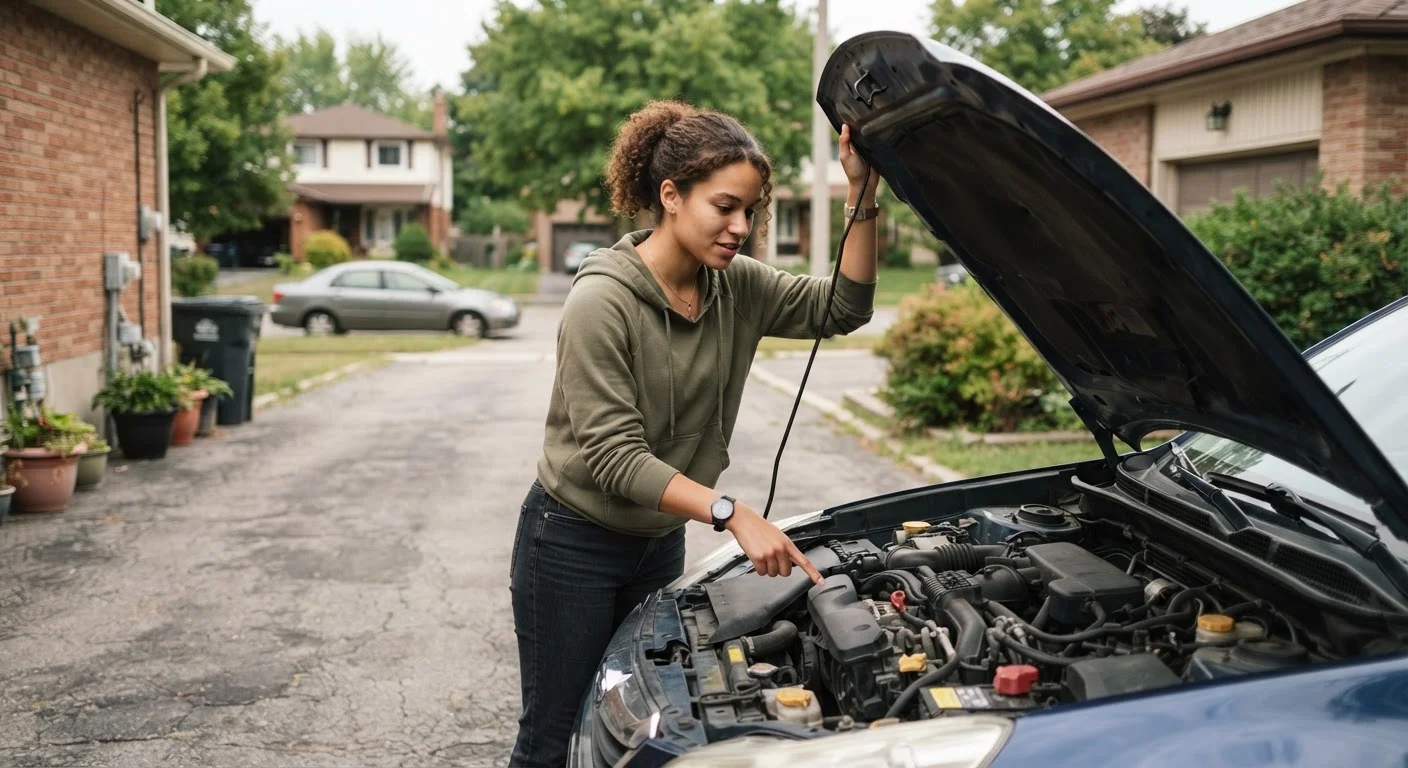
The Maintenance Tasks First-Time Car Owners Most Often Overlook

Photo: BridgeWish.com | Reliable Source Of Information editorial

New to car ownership? These are the service items that frequently slip through the cracks — and why they matter more than you might think.

Key Takeaways

  • Cabin air filters, tire rotations, and coolant flushes are among the most frequently skipped service items.
  • Neglecting routine maintenance often leads to repairs that cost significantly more than the original service.
  • Your owner's manual — not habit or guesswork — is the most reliable guide to service intervals.
  • Keeping a maintenance log helps you track what's been done and avoid repeating oversights.

Why New Owners Miss These Items

Buying a first car often comes with a crash course in oil changes and tire pressure — the highly visible basics. But a meaningful portion of routine maintenance lives in the background: services that don't trigger warning lights, don't announce themselves with strange sounds, and don't appear on standard quick-lube checklists. These are the tasks that quietly fall behind, and their neglect tends to be cumulative.

The good news is that awareness is the biggest hurdle. Once you know which items are commonly overlooked and why they matter, staying on top of them becomes a straightforward habit. For a full picture of what vehicle ownership actually involves, see our beginner's guide to car maintenance.

~$80B

Annual cost of deferred vehicle maintenance in the US

The Car Care Council estimates that neglected maintenance costs American drivers tens of billions of dollars in avoidable repairs each year.

1 in 3

Vehicles with underinflated tires on US roads

The National Highway Traffic Safety Administration has reported that roughly one-third of vehicles are driven with at least one significantly underinflated tire.

The Maintenance Mistakes That Slip Through the Cracks

The following errors come up consistently among first-time car owners. Each one is easy to prevent — once you know to look for it.

1

Skipping cabin air filter replacements entirely.

Why it happens: Cabin air filters are tucked out of sight behind the glove box, so most new owners don't realize they exist — let alone that they need periodic replacement.
How to avoid: Most manufacturers recommend replacing the cabin air filter every 15,000 to 25,000 miles, though dusty driving conditions may shorten that interval. Check your owner's manual for the specification, and inspect the filter visually if you notice reduced airflow or musty odors from the vents.
2

Neglecting tire rotations on the assumption that tires wear evenly.

Why it happens: Drivers often assume that because all four tires look similar, wear is uniform. In reality, front and rear tires carry different loads and friction demands depending on drivetrain configuration.
How to avoid: Rotate tires every 5,000 to 7,500 miles, or at every oil change if that's more convenient. Consistent rotation extends the life of all four tires, improves handling consistency, and can reduce the chance of a blowout from uneven tread wear.
3

Forgetting to flush or replace engine coolant at recommended intervals.

Why it happens: Coolant looks the same whether it's fresh or fully degraded, so first-time owners rarely think to check it beyond verifying that the reservoir isn't empty.
How to avoid: Coolant (also called antifreeze) breaks down chemically over time, losing its ability to protect against corrosion and regulate engine temperature. Most vehicles call for a coolant flush somewhere between 30,000 and 100,000 miles — the range varies significantly by vehicle and coolant type, so consult your owner's manual and ask a mechanic to test the fluid's condition.
4

Overlooking transmission fluid until a problem appears.

Why it happens: Many modern vehicles no longer have a transmission dipstick, making the fluid difficult to check without specialized equipment. This leads owners to assume it doesn't need attention.
How to avoid: Even if your vehicle has a sealed transmission, fluid can still degrade and should be inspected at a shop on a regular schedule. Follow manufacturer guidelines — some vehicles specify changes as frequently as every 30,000 miles, others less often — but don't assume 'sealed for life' means maintenance-free.
5

Ignoring windshield wiper blade deterioration until visibility is already compromised.

Why it happens: Wiper blades degrade gradually, and the decline is easy to tune out until rain or snow creates a dangerous situation.
How to avoid: Inspect wiper blades every six months and replace them annually, or sooner if they streak, chatter, or leave dry patches. This is one of the most affordable maintenance items on any vehicle and has a direct impact on driving safety.

Never Ignore a Transmission Fluid Warning

Transmission fluid doesn't get the attention of engine oil, but degraded or low fluid can cause irreversible damage to one of the most expensive components in your vehicle. A transmission replacement can run several thousand dollars — far more than periodic fluid services. Check your owner's manual for the recommended interval and fluid type, and have a qualified mechanic inspect it if you notice delayed shifting or slipping gears.

If you're unsure which of these tasks are genuinely DIY-friendly and which call for a professional, our comparison of DIY car maintenance vs. shop visits can help you draw that line confidently.

Building a Habit That Protects Your Investment

The single most reliable tool for avoiding overlooked maintenance is your owner's manual. It lists every service interval specific to your vehicle — not the generalized advice on a sticker, but the manufacturer's own guidance. Many drivers never open it, defaulting instead to whatever their previous driver or quick-lube service suggested.

Don't Rely on the 'It Feels Fine' Test

Many overlooked maintenance items — such as coolant degradation, cabin air filter clogging, or tire wear — don't produce obvious symptoms until a real problem develops. A car that drives smoothly can still be operating with compromised fluids or worn components. Scheduled inspections catch issues before they become failures, regardless of how the car feels day to day.

Pairing your owner's manual with a maintenance log takes the guesswork out of tracking what's due. A simple record of dates, mileage, and services performed helps you spot gaps before they become expensive. Our article on why keeping a maintenance log matters walks through exactly what to track. And if you want to understand what's behind common service-interval advice — and separate fact from recurring myth — debunking persistent car maintenance myths is worth a read before your next shop visit.

Autos Editorial Team

BridgeWish.com | Reliable Source Of Information

Autos Editorial Team is the collective byline for our editorial team and contributor network. Articles published under this byline or an editorial pen name are researched, written, and reviewed according to our editorial standards for clarity, consistency, and independence before publication.

Car MaintenanceBuying & OwningSafe Driving
View author profile

The content on this site is for informational purposes only and is not a substitute for professional advice. Always consult a qualified professional for guidance specific to your situation.