
Keeping a Maintenance Log: Why the Paper Trail Matters More Than Most Drivers Realize

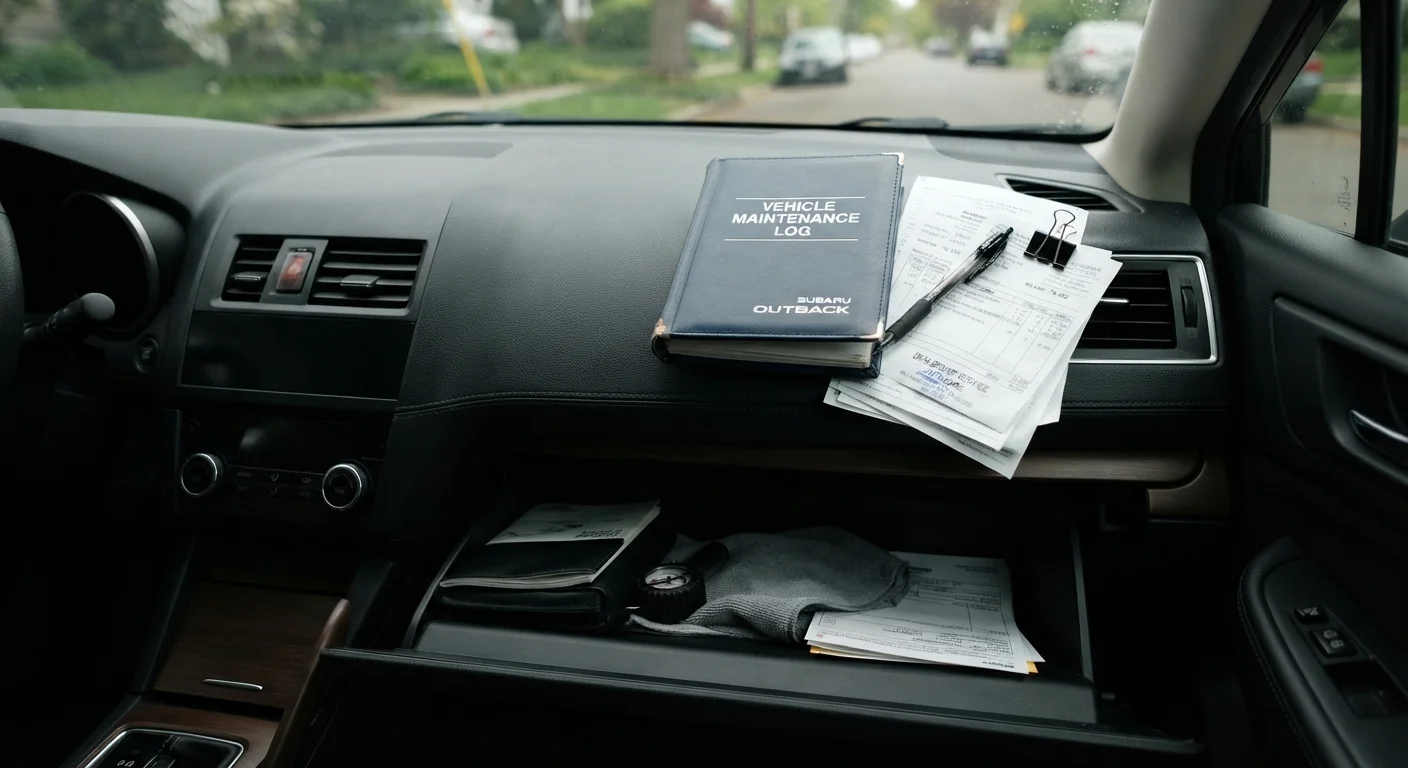
Photo: BridgeWish.com | Reliable Source Of Information editorial
Key Takeaways
- A maintenance log creates a documented history that protects warranty claims and supports resale negotiations.
- Consistent records help identify recurring problems before they become expensive failures.
- Both digital and paper logs work - the best system is the one you'll actually maintain.
- Even basic entries like date, mileage, and service type provide significant long-term value.
- Vehicle history reports often miss private-shop and DIY work, making your own log essential.
What a Maintenance Log Actually Does for You
Most drivers think of a maintenance log as a bureaucratic formality - something dealerships keep, not something worth personal effort. That framing misses the real point. A maintenance log is a running record of your vehicle's health, and the value it creates compounds over time in three concrete ways.
Warranty protection. Manufacturers and extended warranty providers can deny claims if they believe required maintenance was neglected. A documented log - showing oil changes at correct intervals, fluid checks, and scheduled services - gives you evidence that you met your obligations. Without it, the burden of proof falls on you.
Resale leverage. A vehicle with a complete, organized maintenance history consistently commands more buyer confidence than an identical model without one. Buyers can't verify what they can't see, and uncertainty drives price down. Your log turns that uncertainty into a verifiable asset.
Pattern recognition. When a mechanic can see that your brake pads were replaced 18 months ago, that your transmission fluid was last changed at 60,000 miles, or that a particular sensor has been replaced twice, they diagnose faster and more accurately. You avoid paying for exploratory labor that a clear history would eliminate.
It's worth noting that vehicle history reports - the kind you pull from third-party services - don't capture work done at independent shops or any maintenance you handle yourself. Your personal log fills that gap directly.
What to Record (and How to Keep It Simple)
The most common reason drivers don't keep logs is that they imagine the task to be more complex than it is. In practice, a useful entry requires only five pieces of information:
- Date of the service
- Mileage at the time
- Service performed (e.g., oil and filter change, tire rotation, brake inspection)
- Parts or fluids used, if applicable (grade of oil, brand of filter)
- Who performed the work - shop name, or "owner" for DIY
Save any receipts or invoices alongside the log. A receipt from a shop already contains most of the above, so filing it systematically is itself a form of record-keeping.
Keep It Where You'll Use It
For format, use whatever system you'll actually sustain. Options range from a simple spiral notebook kept in the glove compartment, to a spreadsheet saved in cloud storage, to a dedicated vehicle maintenance app. The format matters far less than consistency. See our maintenance schedule guide for help translating your owner's manual's service intervals into concrete log entries.
Best Practices That Make a Log More Useful Over Time
Log every service immediately after it occurs, not weeks later from memory.
Record DIY maintenance with the same rigor as professional shop work.
Note symptoms and observations, not just completed services.
Keep physical receipts alongside your written or digital log.
Transfer the log when you sell the vehicle.
Keeping a log is a habit that pairs naturally with other smart ownership behaviors. For a broader look at how documentation fits into the full picture of vehicle care, see our complete car ownership guide. First-time owners in particular often underestimate how quickly service history accumulates - our article on maintenance tasks first-time owners overlook covers several items that are easy to skip but hard to reconstruct after the fact.
Up to $500+
Potential resale premium for documented service history
Industry appraisers and used-vehicle guides consistently note that verifiable maintenance records can positively influence trade-in and private-sale valuations, though exact amounts vary by vehicle and market.
~30%
Of used-car buyers cite service history as a top purchase factor
Consumer surveys on used-vehicle purchases regularly identify documented maintenance history as one of the most influential factors buyers consider alongside price and mileage.
Start Today - Your Future Self Will Thank You
There's no perfect starting point for a maintenance log except right now. If you have old receipts in your glove compartment or garage, date them and add them as back-entries. If you don't, start fresh with today's mileage and today's date, and note anything you know about recent service.
The drivers who benefit most from maintenance logs aren't necessarily the most organized people - they're the ones who recognized early that a vehicle is a long-term asset worth managing deliberately. Good record-keeping is one of the habits that consistently extend vehicle life, and it costs nothing but a few minutes after each service.
Logs Help Even Without Complete History
The content on this site is for informational purposes only and is not a substitute for professional advice. Always consult a qualified professional for guidance specific to your situation.