
Car Ownership and Maintenance: Everything You Need to Keep Your Vehicle Road-Ready

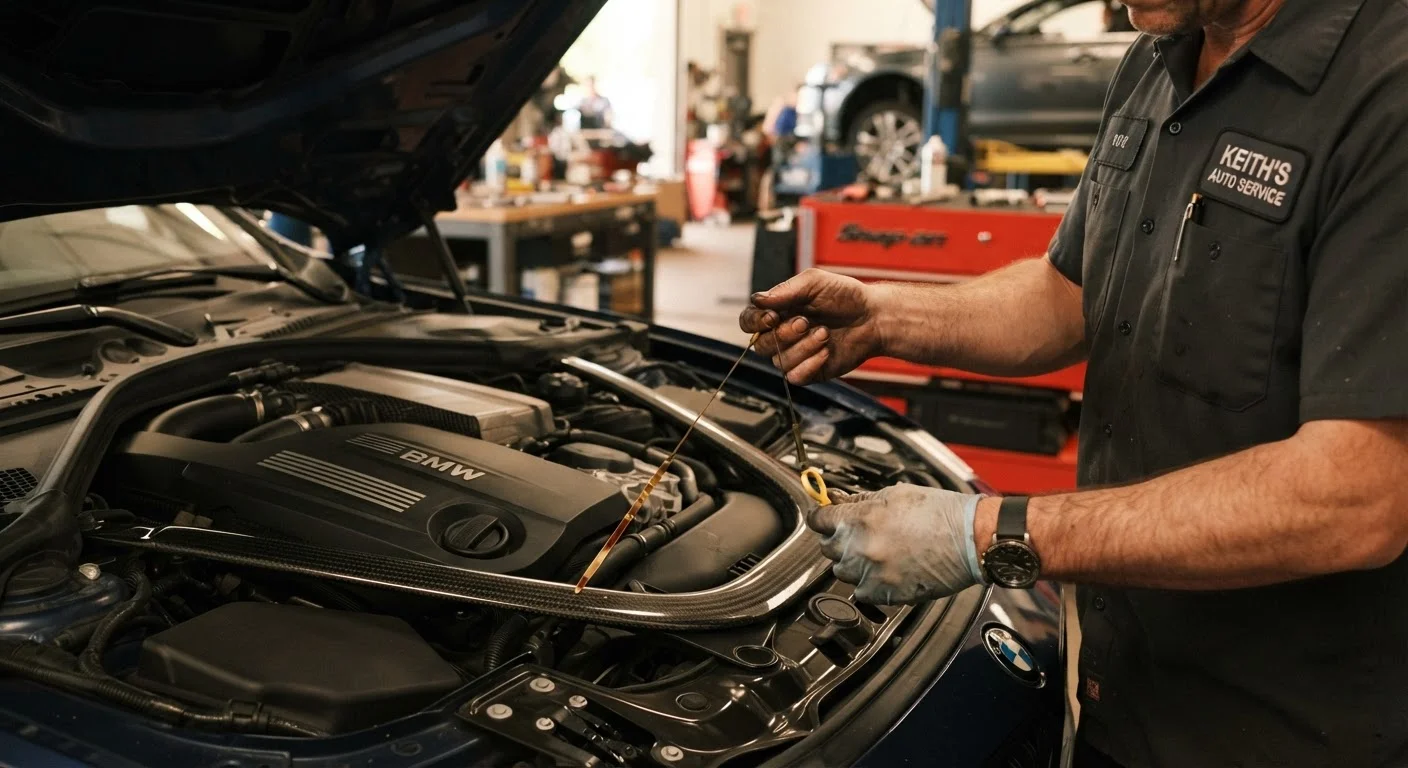
Photo: BridgeWish.com | Reliable Source Of Information editorial
Key Takeaways
- Regular fluid checks prevent the majority of avoidable engine failures.
- Tire pressure and tread depth are the two most overlooked safety factors.
- Squealing or grinding brakes always warrant prompt professional inspection.
- Seasonal prep - not just mileage - should drive your maintenance schedule.
- Dashboard warning lights should never be dismissed as minor inconveniences.
- Knowing your limits saves money and prevents dangerous DIY mistakes.
Why Routine Maintenance Matters
Owning a vehicle comes with a straightforward responsibility: keep it maintained. Skipping routine service doesn't just risk a breakdown - it accelerates wear, reduces fuel efficiency, and turns small, inexpensive fixes into costly repairs. According to the Car Care Council, a significant percentage of vehicles on US roads are operating with at least one maintenance item past due.
This guide covers the core areas of car maintenance every driver should understand, regardless of how mechanically inclined they are. Whether you're a new owner or simply looking to be more proactive, knowing what to check and when puts you firmly in control of your vehicle's health and your own safety on the road.
For a broader look at what owning a vehicle actually costs and involves, the Buying & Owning hub provides clear guidance on the financial and practical side of vehicle ownership.
77%
Vehicles with at least one maintenance item overdue
According to the Car Care Council's periodic Vehicle Report Card surveys of US drivers.
$1,200+
Average cost of engine damage from neglected oil changes
Industry estimates suggest routine oil neglect is one of the leading causes of preventable engine repair costs.
25%
Fuel economy loss from underinflated tires
The US Department of Energy estimates tires underinflated by just 1 PSI can reduce fuel economy by approximately 0.2% per PSI.
Fluid Checks: The Lifeblood of Your Vehicle
Fluids are what keep your engine, transmission, brakes, and cooling system functioning. Letting any of them fall low or degrade invites mechanical failure. Here are the critical ones to monitor:
- Engine oil: Check the dipstick monthly. Oil lubricates moving parts and degrades over time. Follow your owner's manual for change intervals - not the old universal 3,000-mile rule, which is outdated for most modern vehicles.
- Coolant (antifreeze): Prevents overheating in summer and freezing in winter. Check the reservoir level when the engine is cold.
- Brake fluid: Absorbs moisture over time, reducing braking effectiveness. If it looks dark or murky, have it tested.
- Power steering fluid and transmission fluid: Both affect drivability. Low transmission fluid can cause rough shifting or serious damage.
- Windshield washer fluid: The one fluid that affects visibility directly - never let it run dry.
For a deeper dive into all major fluid and maintenance categories, see our complete maintenance overview.
Always check engine oil when the vehicle is on level ground and the engine has been off for at least five minutes - this gives you a true reading, not a frothy or falsely low one.
Keep a small notepad or use your phone to log every service - date, mileage, and what was done. This record is invaluable when troubleshooting problems and adds demonstrable value if you sell the vehicle.
Tire Care: Safety Starts at Ground Level
Your tires are the only part of the vehicle that touches the road, making their condition directly tied to handling, braking distance, and blowout risk. Two numbers matter most:
- Tire pressure: Check monthly with a gauge - not by eyeballing. Underinflated tires increase fuel consumption and wear unevenly. Your vehicle's recommended PSI is on the door jamb sticker, not the tire sidewall.
- Tread depth: The penny test is a common starting point - insert a penny into a tread groove with Lincoln's head facing down. If you can see the top of his head, tread is below 2/32 of an inch and the tire needs replacing.
Additionally, rotate tires every 5,000-7,500 miles to promote even wear, and have alignment checked if the vehicle pulls to one side or after hitting a significant pothole.
Check Tire Pressure When Tires Are Cold
Brake Systems: What Every Driver Should Know
Brakes degrade gradually, which is why drivers often don't notice until performance is already compromised. Understanding the warning signs can prevent both accidents and expensive rotor damage.
- Squealing: Most brake pads include wear indicators that produce a high-pitched squeal when pads are getting thin - an early warning you shouldn't ignore.
- Grinding: Metal-on-metal contact. At this stage, pads are likely gone and rotors may be scored. Immediate inspection is needed.
- Pulsating pedal or pulling: Can indicate warped rotors or uneven pad wear.
- Soft or spongy pedal: May signal air in the brake lines or a brake fluid issue - both are serious.
Never Delay on Brake Warning Signs
Brake inspection is typically recommended every 12 months or 12,000 miles, but always defer to your vehicle's owner's manual. Safe driving habits go hand in hand with mechanical readiness - visit the Safe Driving hub for related road safety guidance.
Seasonal Preparation: Adapting to Changing Conditions
A maintenance schedule that only responds to mileage misses half the picture. Temperature extremes stress components that mileage alone wouldn't flag. Key seasonal considerations include:
- Winter: Cold weakens batteries (have yours tested before temperatures drop), thickens engine oil, and underinflates tires. Ensure antifreeze is mixed correctly for your region's low temperatures.
- Summer: Heat accelerates coolant evaporation and can cause tires to overinflate. Check AC system performance and ensure the radiator is clean.
- Spring/Fall transitions: Ideal times to rotate tires, replace wiper blades, and inspect belts and hoses that may have been stressed over the prior season.
Our seasonal car care guide walks through exactly what your vehicle needs as temperatures shift throughout the year.
Warning Signs You Should Never Ignore
Modern vehicles communicate problems through warning lights, sounds, and physical sensations. Dismissing them is one of the most common - and costly - mistakes drivers make.
- Check Engine Light
- Can indicate anything from a loose gas cap to a catalytic converter failure. Have it scanned with an OBD-II reader as a first step - many auto parts stores offer this at no charge.
- Oil Pressure Warning
- Stop driving as soon as it's safe to do so. Running an engine with low oil pressure causes rapid, severe internal damage.
- Temperature Warning
- Engine overheating. Pull over, turn off the engine, and do not open the radiator cap until completely cool.
- Battery or Charging Light
- May signal a failing alternator or battery - either can leave you stranded without warning.
Oil Pressure Light Means Stop Now
When to DIY and When to Call a Professional
Some maintenance tasks are genuinely accessible to confident, careful owners. Others require specialized tools, training, or safety considerations that make professional service the right call.
Reasonable DIY tasks (with proper research and tools):
- Checking and topping off fluids
- Replacing wiper blades and cabin air filters
- Checking tire pressure and inspecting tread
- Replacing a battery (on most vehicles)
Leave these to a qualified mechanic:
- Brake pad and rotor replacement
- Timing belt or chain service
- Suspension and steering repairs
- Any work involving fuel or high-voltage systems (especially in hybrid and electric vehicles)
If you're new to vehicle ownership and building your baseline knowledge, our beginner's maintenance guide is a strong starting point for understanding schedules, fluids, and when to call for help.
Car Care Council - Vehicle Care Guide
A publicly available resource from the Car Care Council covering maintenance schedules, fluid types, and seasonal tips for US drivers.
NHTSA Vehicle Safety Resources
The National Highway Traffic Safety Administration provides recall lookup tools and safety information relevant to your specific vehicle.
OBD-II Code Reader
A diagnostic scanner that reads check engine codes from your vehicle's onboard computer - many auto parts retailers offer free scanning in-store.
The content on this site is for informational purposes only and is not a substitute for professional advice. Always consult a qualified professional for guidance specific to your situation.