
Seasonal Car Care: Preparing Your Vehicle for Changing Conditions

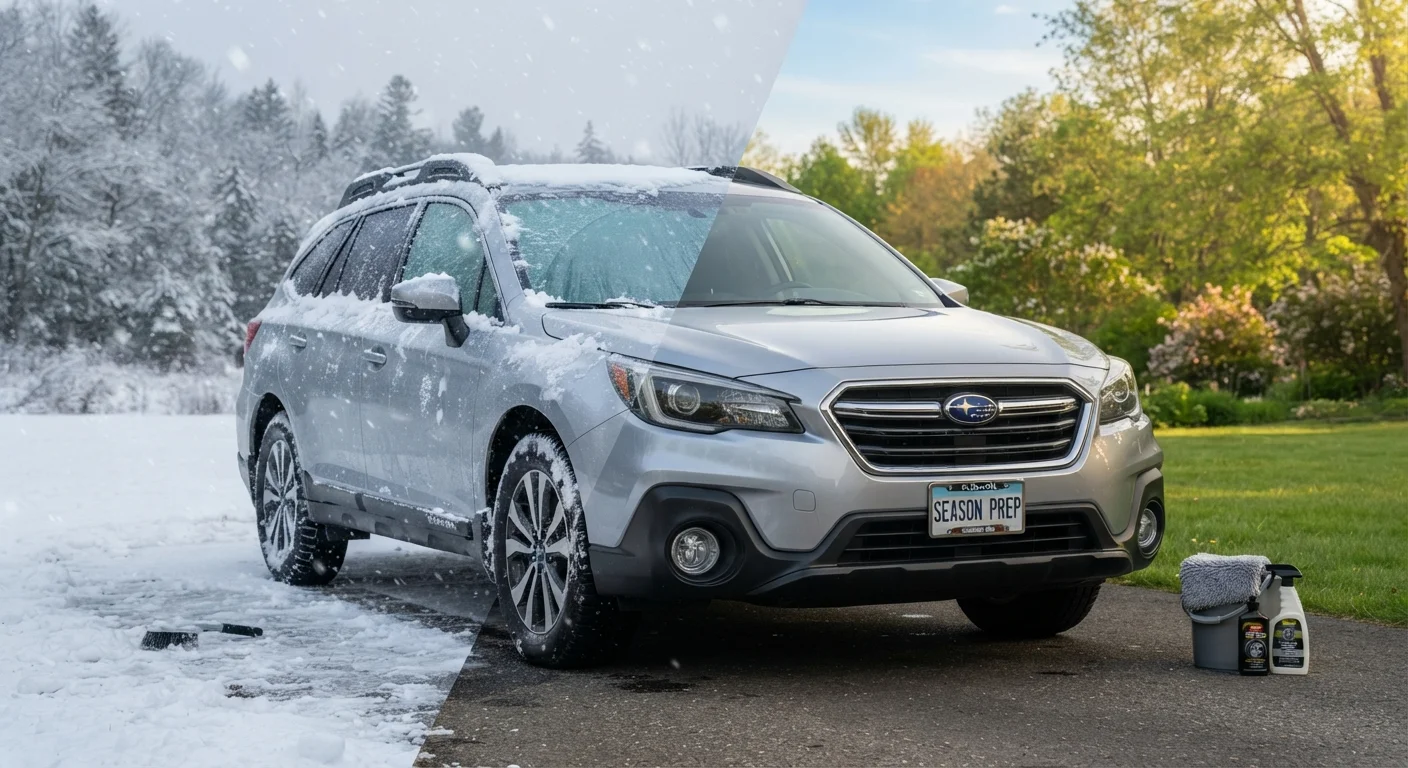
Photo: BridgeWish.com | Reliable Source Of Information editorial
Key Takeaways
- Cold temperatures stress your battery, tires, and fluids - inspect all three before winter arrives.
- Summer heat accelerates coolant breakdown and tire pressure loss, requiring separate seasonal checks.
- Wiper blades, brakes, and cabin air filters are often overlooked but degrade with seasonal exposure.
- Many seasonal checks take minutes and can prevent expensive repairs or roadside emergencies.
- When in doubt about a component's condition, a qualified mechanic's inspection is always worthwhile.
Why Seasonal Maintenance Matters
Most mechanical failures don't happen randomly - they follow predictable patterns tied to temperature extremes, precipitation exposure, and mileage accumulation. A battery weakened by summer heat may not survive its first January cold snap. Tires properly inflated in September will be measurably under-inflated by December. Coolant that looked fine in spring may have depleted freeze protection by fall.
Understanding these patterns lets you stay ahead of failures rather than react to them. The steps in this guide are designed to build that habit - brief, targeted checks timed to seasonal transitions. For a broader overview of vehicle ownership and upkeep, car ownership and maintenance covers the full spectrum of what keeps a vehicle road-ready year-round.
Just as homeowners conduct seasonal walkthroughs - see fall home prep for a useful parallel - drivers benefit from treating their vehicle with the same proactive attention.
What you will need
What You'll Need
Most seasonal inspections require minimal equipment and can be completed in a driveway or parking lot. A few checks - particularly battery load testing and coolant ratio testing - are best handled at a service shop, but visual inspections for tires, wipers, and filters are straightforward for any driver.
Tire Pressure Gauge
Measures tire PSI so you can confirm inflation matches manufacturer specifications as temperatures fluctuate.
Tread Depth Gauge or Quarter Coin
Checks remaining tire tread depth to determine if tires are safe for wet or icy road conditions.
Battery Load Tester
Evaluates the battery's ability to hold and deliver charge under real-world cold-start conditions.
Flashlight
Helps illuminate the engine bay, undercarriage, and tire sidewalls during visual inspections.
Funnel and approved fluid containers
Used to top off windshield washer fluid or coolant reservoir safely without spilling.
Don't Skip the Battery Before Winter
Step-by-Step Seasonal Checks
Work through the following steps in sequence. Some apply equally to fall and spring transitions; others are more specific to summer heat or winter cold - each step notes which season it's most critical for.
Inspect and Test Your Battery
A battery's cold cranking amps (CCA) - the measure of its ability to start an engine in cold weather - drop significantly as temperatures fall. Have the battery tested at a service shop before winter; many auto parts stores offer free load testing. Look for corrosion (white or bluish crust) around the terminals and clean it carefully with a wire brush if present.
Check Tire Pressure and Tread Depth
Tire pressure drops roughly 1 PSI for every 10°F decrease in ambient temperature. Under-inflated tires reduce traction and fuel efficiency. Check all four tires - and your spare - against the recommended PSI found on the driver's door jamb sticker, not the maximum rating on the tire sidewall. For tread depth, insert a quarter upside down into the groove; if you can see the top of the head, tread is critically low.
If you live in a region with significant snowfall, consider whether all-season tires are sufficient or whether dedicated winter tires are appropriate for your driving conditions.
Inspect Wiper Blades and Refill Washer Fluid
Wiper blades degrade from UV exposure in summer and freeze-thaw cycles in winter. Replace blades showing streaking, skipping, or visible cracking. Switch to a winter-rated washer fluid rated to at least -20°F before the first freeze - regular washer fluid can freeze in the reservoir and spray lines, causing damage and zero visibility in a sudden storm.
Check Engine Coolant (Antifreeze) Condition
Coolant serves a dual purpose: it prevents freezing in winter and overheating in summer. Check the coolant reservoir level visually against the min/max markings. For a proper assessment of freeze protection, a mechanic can use an inexpensive coolant tester or refractometer to verify the mixture ratio. Most manufacturers recommend a full coolant flush every 30,000 to 50,000 miles or every two to five years - consult your owner's manual for your vehicle's specific interval.
For more on what coolant does and how to identify problems, see car fluids every driver should know.
Examine Brakes for Seasonal Wear
Road salt, sand, and wet conditions accelerate brake rotor and pad wear over winter. Before summer driving season - and again before winter - have brakes inspected if you notice squealing, grinding, vibration, or extended stopping distances. These are not symptoms to defer; brake performance is directly linked to your ability to avoid collisions in changing weather. For guidance on adjusting your driving in wet or icy conditions, see driving in rain, ice, and snow.
Replace the Cabin Air Filter
The cabin air filter cleans the air circulated through your HVAC system. A clogged filter reduces airflow, strains the blower motor, and lets dust, pollen, and mold spores into the cabin. Most manufacturers recommend replacing it every 15,000 to 25,000 miles, but if you drive through heavy pollen seasons or dusty conditions, more frequent replacement improves air quality noticeably. This is typically a DIY-friendly job - the filter is usually accessible behind the glove box with no tools required.
Keep a Glove Box Checklist
Adapting Your Driving to Seasonal Conditions
Mechanical preparation is only part of seasonal readiness. How you drive in changed conditions matters just as much. Wet roads, snow, ice, and fog all alter stopping distances and vehicle handling in ways that require adjusted habits - not just adjusted hardware.
For practical guidance on adapting your behavior behind the wheel, rain, snow, or fog driving adjustments outlines how to modify speed, spacing, and awareness in adverse conditions. Safe seasonal driving is covered more broadly in the Safe Driving hub.
Never Mix Coolant Types
The content on this site is for informational purposes only and is not a substitute for professional advice. Always consult a qualified professional for guidance specific to your situation.