
Rain, Snow, or Fog: Adjusting Your Driving for Every Weather Condition

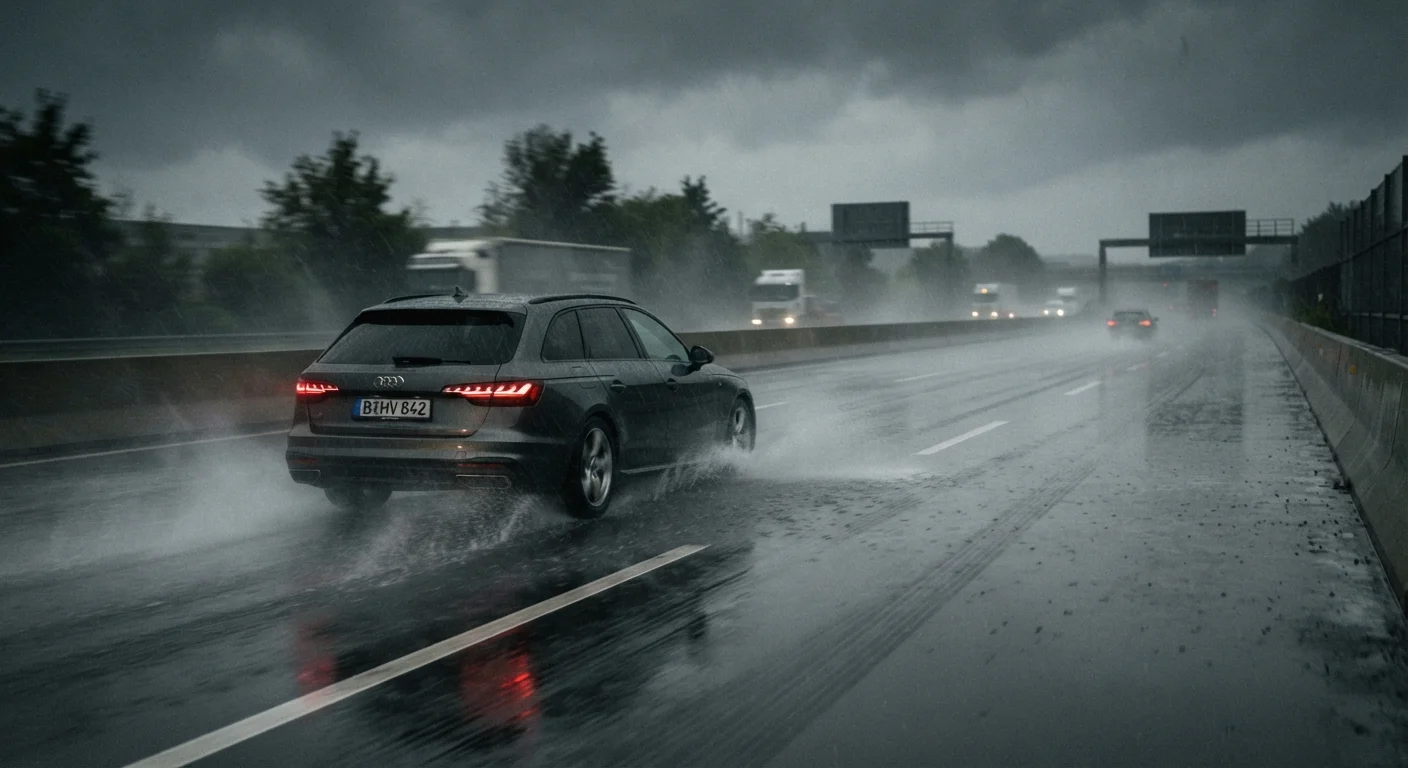
Photo: BridgeWish.com | Reliable Source Of Information editorial
Key Takeaways
- Reduce speed and increase following distance significantly in rain, snow, or fog.
- Hydroplaning, black ice, and zero-visibility fog each require distinct responses.
- Your headlights and vehicle maintenance directly affect safety in adverse weather.
- Knowing when not to drive is as important as knowing how to drive in bad conditions.
- Fog lights and low beams outperform high beams in reduced-visibility conditions.
Why Weather Changes Everything About Driving
Most drivers learn in fair conditions and adapt - or fail to adapt - to bad weather on the fly. That gap in preparation is where a large share of weather-related crashes originate. According to the U.S. Department of Transportation's Federal Highway Administration, roughly 21% of all vehicle crashes annually are weather-related, with wet pavement and rain accounting for the majority of those incidents.
The core challenge is that adverse weather degrades three things simultaneously: your visibility, your vehicle's traction, and other drivers' behavior. Adjusting for just one of those without accounting for the others leaves you exposed. The steps in this guide address all three.
Weather-related hazards also shift dramatically with conditions. Rain at 35°F is a very different driving environment than rain at 70°F. The full breakdown of how rain, ice, and snow differ is worth understanding, but the practical habits below apply broadly across all adverse-weather scenarios.
What you will need
Your vehicle's baseline condition matters as much as your technique. Worn wiper blades, bald tires, or a foggy rear defroster undermine every good habit described here. For a comprehensive look at seasonal preparation, see our guide on seasonal car care.
Windshield wipers (in good repair)
Clear rain, sleet, and snow from your field of vision during precipitation.
Defrost system (front and rear)
Eliminate condensation and ice buildup that reduce visibility in cold or foggy conditions.
Fog lights (if equipped)
Provide a wide, low beam pattern that cuts through dense fog without reflecting glare back at the driver.
Winter or all-season tires
Maintain grip on snow-covered or icy roads where standard summer tires lose traction significantly.
Step-by-Step: Adapting Your Drive in Adverse Weather
Work through these steps in order - the earlier steps (preparation and speed adjustment) directly support the effectiveness of the later ones (hazard response and the decision to stop).
Check conditions before you leave
Before pulling out of the driveway, review current road conditions through your state's department of transportation website, weather apps, or local radio. A five-minute check can reveal ice alerts, low-visibility advisories, or road closures that change your route or departure time entirely.
Also do a quick walk-around: clear all snow and ice from every window, the roof, hood, and lights. Snow ejected from your roof onto following vehicles is a safety hazard and is illegal in several states.
Adjust your speed for conditions, not just the posted limit
Posted speed limits apply to ideal conditions. In wet, snowy, or foggy weather, driving at or near the limit may be unsafe. Wet roads can reduce tire traction by 30-40%, and packed snow or ice reduces it far more drastically. A general guideline from safety researchers is to reduce speed by at least one-third in rain and by half or more on snow or ice - though conditions vary widely.
In dense fog, slow to a speed where you can stop within the distance you can see. If visibility drops near zero, the only safe speed may be to pull off the road entirely.
Increase your following distance significantly
The standard three-second following distance is designed for dry pavement. In rain, extend that to at least five to six seconds. On snow or ice, consider eight to ten seconds or more. Greater distance gives you the stopping room your vehicle actually needs when grip is reduced.
Large trucks and buses create additional spray and wind buffeting - give them even more space. Situational awareness means reading traffic gaps well ahead so you're never forced into a sudden hard stop.
Use your lights correctly for each condition
In rain or reduced daylight, switch on low-beam headlights - they improve your own visibility and help other drivers see you. Many states require headlights whenever wipers are in use; check your state's law.
In fog, use dedicated fog lights if your vehicle has them, or low beams. High beams scatter off water droplets and ice crystals, creating glare that actually worsens visibility. Turn off high beams immediately in fog.
Recognize and respond to hydroplaning and black ice
Hydroplaning occurs when a layer of water builds up between your tires and the road surface, causing a loss of steering and braking control. If it happens: ease off the accelerator gradually, avoid braking hard, and steer straight or with only gentle corrections until you feel grip return.
Black ice - a thin, nearly transparent ice layer - forms most often on bridges, overpasses, and shaded sections of road. It looks like wet pavement. If your vehicle begins to slide, steer gently in the direction you want to go and avoid sudden braking. In a vehicle with ABS (anti-lock braking system), apply firm, steady brake pressure; in a non-ABS vehicle, pump the brakes gently.
Know when to pull over or delay your trip
No destination is worth an uncontrollable skid or a zero-visibility collision. If conditions deteriorate beyond what you can manage safely - whiteout snow, dense fog with near-zero sight distance, or freezing rain on untreated roads - pull off at a safe, well-lit location away from the travel lanes and wait it out.
Driver fatigue compounds adverse-weather risk significantly. Fatigue impairs reaction time and judgment in ways that become especially dangerous when road conditions are already demanding.
Don't Rely Solely on All-Wheel Drive
Adverse weather driving shares important overlap with other demanding situations behind the wheel. The same scanning habits that help you read traffic in good conditions become even more critical when visibility drops - explore situational awareness on the road for complementary techniques. If your adverse-weather driving often happens after dark, the additional challenges of night driving compound the risks and deserve separate attention.
Practice Low-Traction Responses in a Safe Setting
The content on this site is for informational purposes only and is not a substitute for professional advice. Always consult a qualified professional for guidance specific to your situation.