
Night Driving Demands and the Habits That Keep You Safer After Dark

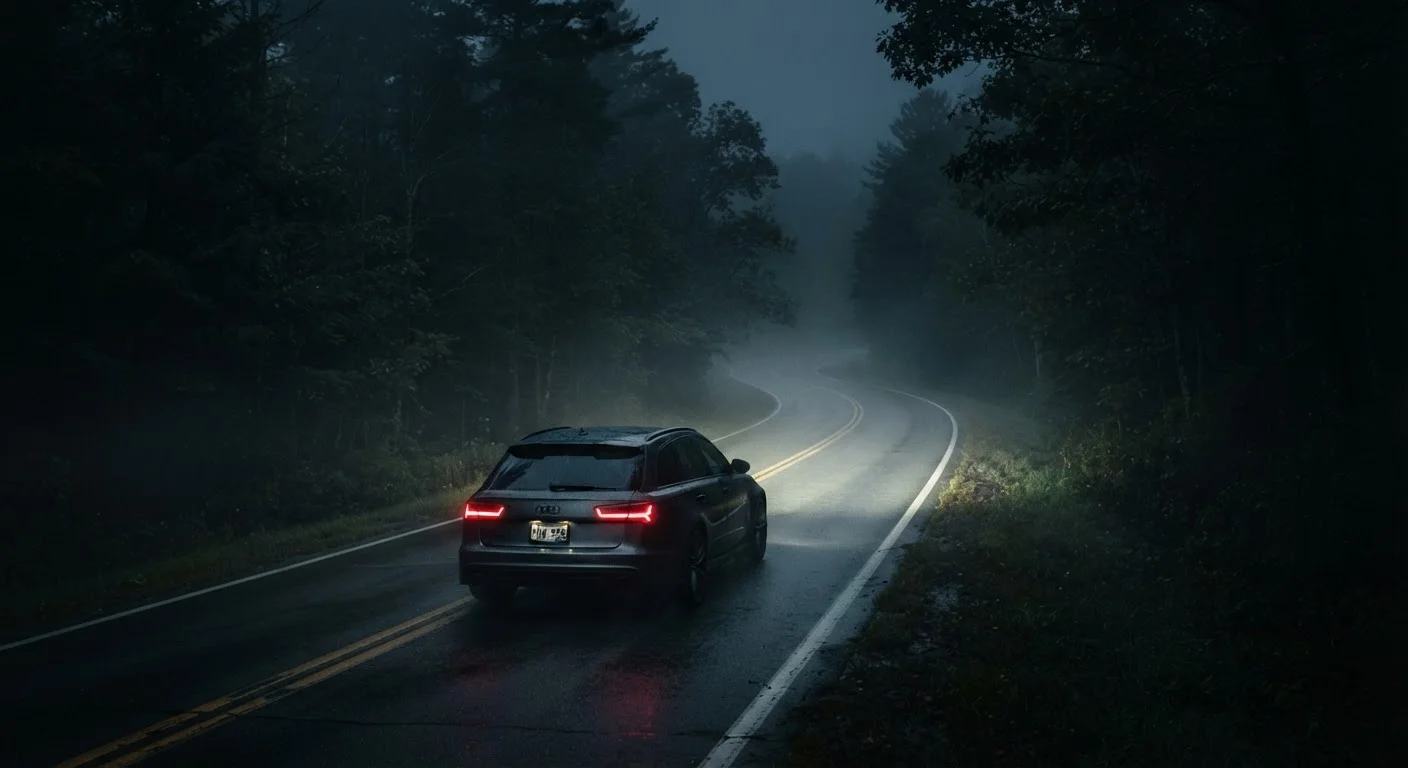
Photo: BridgeWish.com | Reliable Source Of Information editorial
Key Takeaways
- Fatal crash rates are significantly higher at night despite fewer vehicles on the road.
- Reduced visibility, fatigue, and impaired drivers compound nighttime risk simultaneously.
- Adjusting speed, headlight use, and following distance are among the most effective countermeasures.
- Recognizing early fatigue signs and having a plan to stop can prevent drowsy driving crashes.
- Clean headlights, windshields, and properly aimed beams make a measurable difference in sight distance.
Why Nighttime Driving Is a Different Challenge
Driving after dark isn't simply driving with less light - it's operating in conditions that fundamentally reduce your ability to detect, process, and react to hazards. According to the National Safety Council, traffic fatality rates per mile driven are roughly three times higher at night than during the day, even though nighttime travel volume is significantly lower.
Several factors converge after dark. Human vision deteriorates sharply in low light: peripheral vision narrows, depth perception becomes less reliable, and the eyes adapt more slowly to sudden brightness changes - such as oncoming high beams. Meanwhile, the odds of encountering a fatigued or impaired driver increase substantially during late-night hours.
Understanding these conditions is the first step toward developing habits that actually address them. For a deeper look at what makes darkness so hazardous, see Night Driving Is More Dangerous Than Most People Realize.
~3×
Higher fatal crash rate at night vs. daytime
The National Safety Council estimates that traffic fatalities per mile driven are approximately three times greater at night, despite lower overall traffic volume.
up to 80%
Light output lost through hazy headlight lenses
Research from the AAA Foundation for Traffic Safety found that oxidized or yellowed headlight lenses can reduce illumination by as much as 80 percent compared to clear lenses.
Core Habits That Reduce Nighttime Risk
The following evidence-based practices address the specific demands of after-dark driving. Each targets a distinct vulnerability - whether visual, cognitive, or mechanical.
Reduce speed to stay within your headlight range
Increase following distance to at least four seconds after dark
Use high beams on open roads and dim them promptly for oncoming traffic
Minimize interior light and screen brightness
Watch the road edges rather than oncoming headlights
Scan intersections actively before proceeding, even on a green light
Managing Fatigue Before and During the Drive
Fatigue is arguably the most underestimated night-driving hazard. The body's natural circadian rhythm suppresses alertness between roughly midnight and 6 a.m., meaning sleepiness isn't just a result of a long day - it's a biological response to the time of night itself.
Warning signs include difficulty keeping your eyes focused, missing exits or signs you should have noticed, and the unsettling experience of not remembering the last few miles. At that point, impairment is already present. What Happens to Your Body During Driver Fatigue outlines how cognitive decline progresses - and when stopping becomes non-negotiable.
The practical countermeasure is straightforward: plan rest stops, share driving responsibilities when possible, and never rely solely on caffeine to compensate for genuine sleep deprivation. Stimulants can mask sleepiness temporarily but do not restore reaction time or judgment. See also How Fatigue Affects Your Driving (Even When You Feel Fine) for additional context on subtle impairment.
Visibility Maintenance and Equipment Checks
Much of what limits sight distance at night is within a driver's direct control. Hazy or yellowed headlight lenses - common on vehicles more than five years old - can reduce light output by up to 80 percent compared to clear lenses. Windshield film and interior fogging compound the problem, scattering oncoming light in ways that temporarily blind rather than illuminate.
Before any significant night drive, a brief equipment check pays dividends: confirm all exterior lights function, clean headlight covers and wiper blades, and ensure the interior defroster is operational. If your vehicle allows headlight aim adjustment, have it verified by a qualified mechanic if beams seem misaligned - aimed too low, too high, or canted to one side.
Adaptive Headlight and ADAS Technology
Nighttime driving requires a distinct skill set that overlaps with - but differs from - the demands of highway travel. Highway Driving Habits That Separate Safe Drivers from Risky Ones explores the additional layer of attention required at high speeds, much of which applies equally after dark.
The content on this site is for informational purposes only and is not a substitute for professional advice. Always consult a qualified professional for guidance specific to your situation.