
Night Driving Is More Dangerous Than Most People Realize

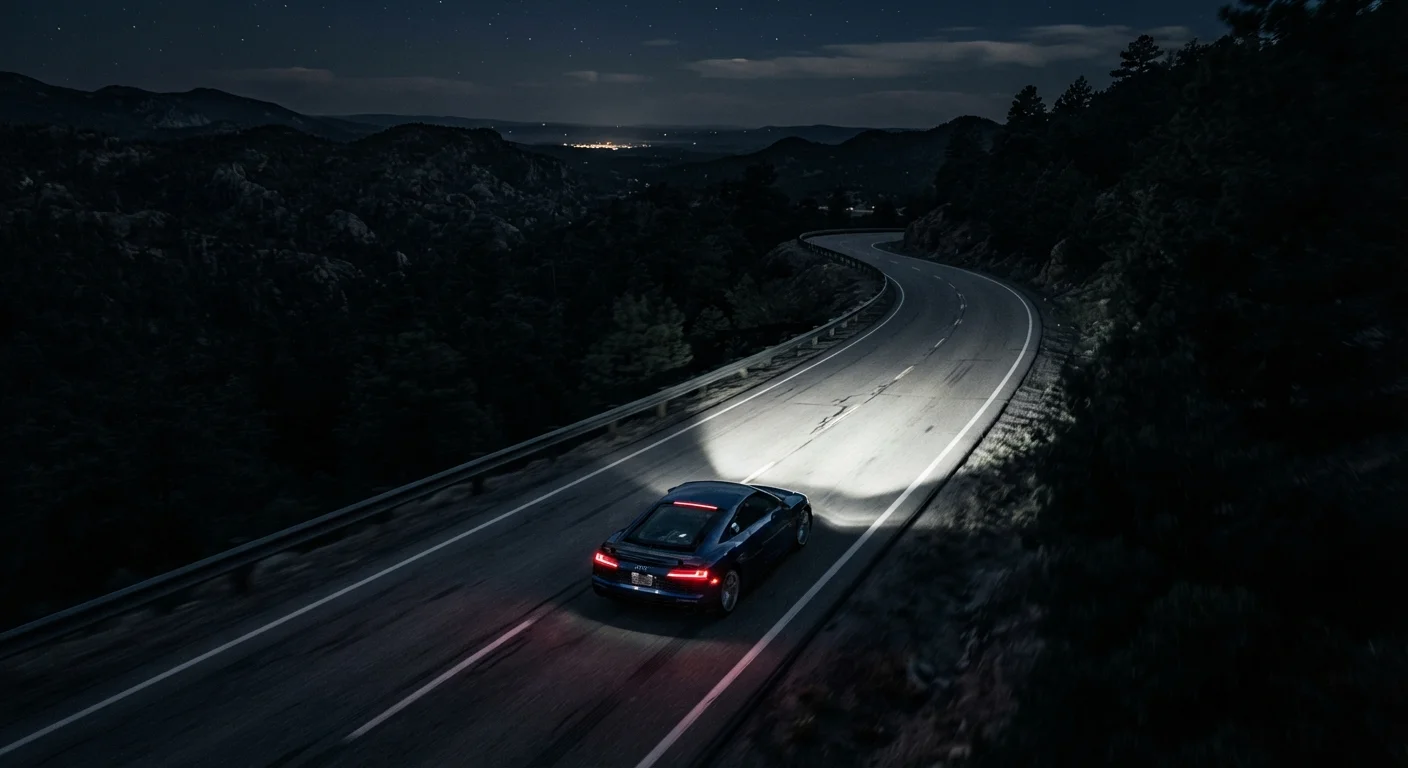
Photo: BridgeWish.com | Reliable Source Of Information editorial
Key Takeaways
- Fatal crash rates per mile traveled are significantly higher at night than during the day.
- Human vision degrades sharply in low light, reducing hazard detection and depth perception.
- Driver fatigue and impairment are far more common during nighttime hours.
- Standard headlights illuminate only 160-250 feet ahead, while highway stopping distances can exceed that.
- Adjusting speed, following distance, and headlight maintenance meaningfully reduces nighttime risk.
- Certain groups - particularly older drivers and teenagers - face amplified dangers after dark.
The Numbers Behind the Darkness
Most drivers assume night driving is simply a matter of turning on the headlights and proceeding as normal. The crash data tells a different story. According to the NHTSA, roughly half of all traffic fatalities in the United States occur at night - despite nighttime representing a much smaller share of total driving hours. That imbalance is not a coincidence.
The combination of reduced visibility, higher rates of driver impairment, and the presence of vulnerable road users like pedestrians and cyclists creates conditions that are objectively more demanding than daytime driving. Understanding why night driving is riskier is the first step toward managing that risk more deliberately.
~50%
Of US traffic fatalities occur at night
According to NHTSA data, despite nighttime representing a significantly smaller share of total driving hours.
3x
Higher fatal crash rate per mile at night
NHTSA research indicates fatal crash rates per vehicle mile traveled are roughly three times higher after dark than during the day.
160 ft
Typical low-beam headlight range
Standard low-beam headlights illuminate approximately 160 feet ahead - potentially less than stopping distance at highway speeds.
How Darkness Degrades Your Vision
The human eye relies on two types of photoreceptors: cones (for color and detail in bright light) and rods (for low-light peripheral vision). After dark, the visual system shifts toward rod-based vision, which sacrifices sharpness and color accuracy. The result is a meaningful drop in the ability to detect hazards - particularly at the edges of the road where animals, pedestrians, or debris may be present.
Depth perception also suffers. Judging the speed and distance of oncoming vehicles becomes less accurate, which matters enormously when making left turns or merging. Glare from oncoming headlights can temporarily blind drivers for several seconds, a problem that worsens with age as the lens of the eye becomes less efficient at filtering light.
This visual limitation interacts directly with stopping distance. Stopping distances increase with speed in ways that many drivers underestimate - and at night, your headlights may not reveal a hazard until you're already too close to stop safely.
Check Your Headlights Before Driving at Night
Fatigue and Impairment: The Nighttime Double Threat
Darkness doesn't just limit what you can see - it also affects who is sharing the road with you. Drunk driving incidents are substantially more concentrated at night, particularly on weekends. At the same time, drowsy driving peaks during the same hours the body's circadian rhythm signals it to sleep: roughly midnight to 6 a.m. and again in the early afternoon.
Fatigue and alcohol produce strikingly similar impairments: slower reaction times, reduced situational awareness, and overconfidence in one's own capabilities. Drivers who feel fine often aren't. For a deeper look at how tiredness affects the brain before obvious warning signs appear, see our article on how fatigue affects your driving.
If you're driving late and notice yawning, lane drift, or difficulty maintaining consistent speed, these are signals to take seriously. Pulling over is always the right call. For guidance on recognizing the physical warning signs early, our piece on what happens to your body during driver fatigue covers the physiological sequence in detail.
Practical Adjustments That Matter
Acknowledging nighttime risk is useful only when it translates into changed behavior. Several evidence-based habits make a measurable difference:
- Reduce speed. Lower speeds extend the time available to react to hazards your headlights reveal. This is especially important on rural roads without street lighting.
- Increase following distance. The standard two-second rule is a minimum. At night, a three-to-four second gap provides more response time. Tailgating is dangerous in any condition - after dark, the margin for error shrinks further.
- Maintain your headlights. Cloudy or yellowed headlight lenses can reduce output by 80% or more. Cleaning or restoring them is inexpensive and meaningfully improves visibility.
- Use high beams strategically. On unlit roads with no oncoming traffic, high beams dramatically extend your visible range. Switch back promptly when approaching other vehicles.
- Avoid interior distractions. Bright dashboard screens and cabin lighting impair the eye's adaptation to darkness. Dim instrument panels where possible.
For a comprehensive set of evidence-based nighttime driving practices, see our guide on night driving habits that keep you safer after dark.
Night Driving and Weather Combine Risks
Frequently Asked Questions
The content on this site is for informational purposes only and is not a substitute for professional advice. Always consult a qualified professional for guidance specific to your situation.