
What Happens to Your Body During Driver Fatigue (And When to Pull Over)

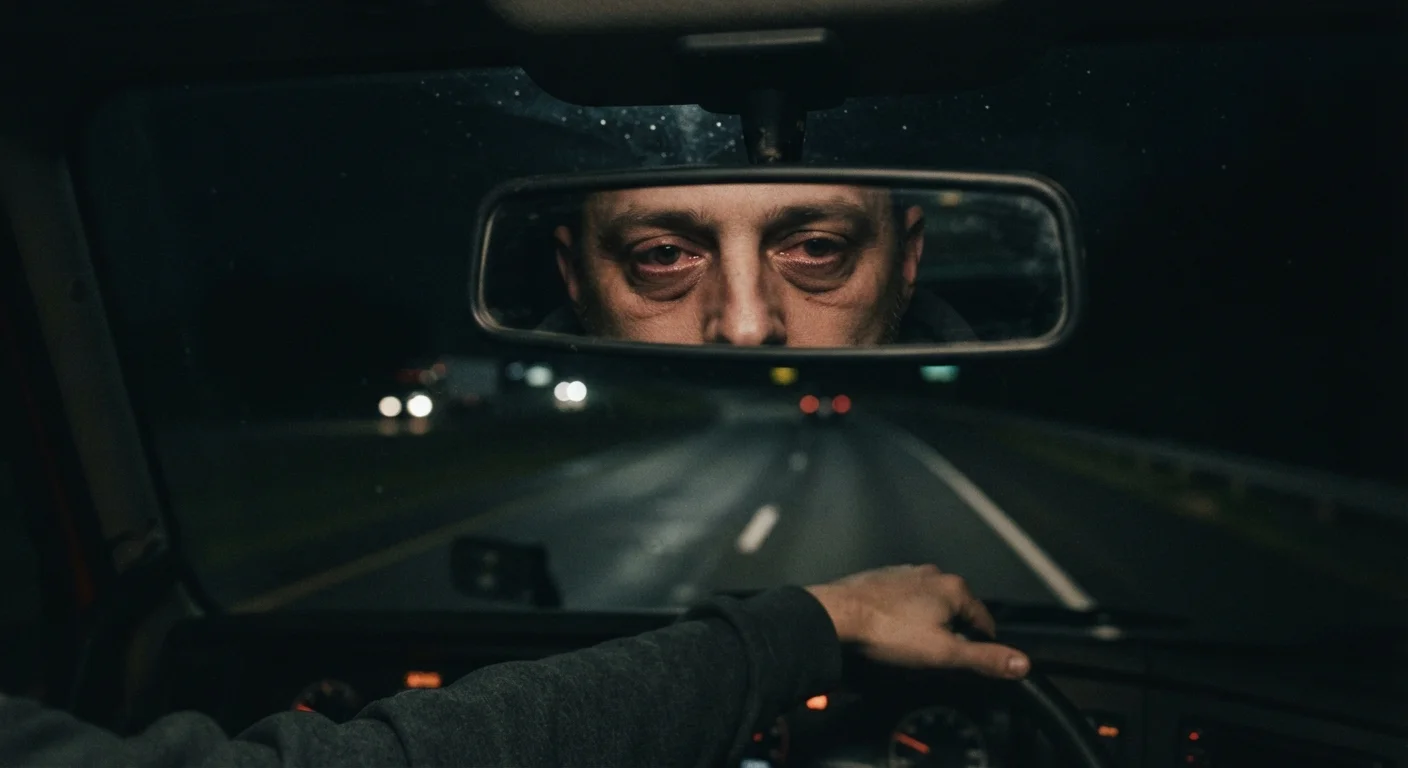
Photo: BridgeWish.com | Reliable Source Of Information editorial
Key Takeaways
- Driver fatigue impairs reaction time and judgment in ways comparable to alcohol intoxication.
- The body can enter microsleep - brief, involuntary lapses of consciousness - without warning.
- Yawning, lane drifting, and difficulty recalling the last few miles are early warning signs.
- Caffeine provides only temporary relief and is not a substitute for actual rest.
- The highest crash risk windows are between midnight and 6 a.m. and in the mid-afternoon.
What Fatigue Actually Does to Your Brain and Body
Fatigue is not simply feeling tired - it is a measurable degradation of the cognitive systems that safe driving depends on. When the brain is sleep-deprived, the prefrontal cortex - the region responsible for judgment, planning, and impulse control - begins to underperform first. At the same time, reaction time slows, peripheral vision narrows, and the ability to track multiple objects simultaneously deteriorates.
One of the most dangerous consequences is microsleep: brief, involuntary episodes of unconsciousness that can last between one and thirty seconds. During microsleep, a driver traveling at 60 mph can cover the length of a football field with no conscious control of the vehicle whatsoever. The driver typically has no awareness that it has occurred.
Fatigue also distorts self-assessment. Studies consistently show that sleep-deprived individuals underestimate their own impairment - a pattern that makes drowsy driving particularly insidious compared to other road risks. This impaired self-awareness means drivers often continue well past the point at which they should have stopped.
~100,000
Police-reported drowsy driving crashes annually
The NHTSA estimates approximately 100,000 crashes per year are directly attributable to drowsy driving, though actual figures are believed to be higher due to underreporting.
18 hrs
Wakefulness equivalent to 0.05% BAC impairment
Research indicates that 18 hours without sleep produces driving impairment comparable to a blood alcohol concentration of 0.05%, based on studies examining reaction time and cognitive performance.
1-30 sec
Duration of a single microsleep episode
Microsleep episodes can last between one and thirty seconds, during which a driver has no conscious awareness or vehicle control - enough to travel hundreds of feet at highway speeds.
Recognizing the Warning Signs Before They Escalate
The body does provide signals, but they are easy to rationalize away. The key is learning to treat them as non-negotiable alerts rather than minor discomforts.
- Frequent, uncontrollable yawning - the brain's attempt to boost oxygen intake when alertness drops
- Heavy or drooping eyelids and difficulty keeping eyes focused
- Lane drifting or repeatedly correcting back to your lane
- Missing exits, traffic signs, or turns you know well
- Inability to recall the last few miles driven - a sign microsleep may already be occurring
- Irritability and restlessness, which often precede visible sleepiness in fatigued drivers
Fatigue can impair driving even before these overt signs appear, making routine self-checks during long trips a sound habit. If you experience two or more of these signals simultaneously, treat it as a directive to pull over - not a suggestion.
Plan Rest Stops Before You Need Them
When and How to Pull Over Safely
Recognizing fatigue is only useful if followed by appropriate action. The moment warning signs appear, begin looking for the next safe exit, rest area, or well-lit parking area. Do not push on to your destination or a more "convenient" stopping point - impairment worsens rapidly once warning signs begin.
Once stopped, a 20-minute nap is among the most evidence-supported short-term countermeasures. Some research suggests consuming caffeine immediately before the nap - allowing time for it to take effect as you wake - can enhance post-nap alertness. This is a temporary bridge, not a substitute for adequate sleep before driving.
Fatigue risk compounds at night. The body's circadian rhythm creates a natural alertness dip between midnight and 6 a.m., making nighttime driving especially hazardous for tired drivers. Darkness itself already reduces visibility and slows reaction time, and fatigue multiplies those risks. If you must drive overnight, plan mandatory rest stops in advance rather than deciding in the moment.
Fatigue, Distraction, and the Broader Picture of Impaired Driving
Driver fatigue does not exist in isolation. It frequently overlaps with other forms of impairment. A fatigued driver is more susceptible to distraction and less capable of managing it when it occurs. Distracted driving already fragments attention in ways that create dangerous gaps; fatigue deepens those gaps further.
While distraction and impairment are distinct risks, they can compound each other in ways that make each more dangerous than it would be alone. Understanding both helps drivers build a complete picture of when they are - and are not - fit to drive.
The clearest rule: if you are not confident you can drive safely for the next hour, you are not fit to drive now. No deadline, schedule, or destination is worth the consequences of a fatigue-related crash.
This article is for general informational and educational purposes only. For guidance specific to your health conditions or medications that may affect driving, consult a qualified healthcare provider.
Frequently Asked Questions
The content on this site is for informational purposes only and is not a substitute for professional advice. Always consult a qualified professional for guidance specific to your situation.