
Distracted Driving: How Divided Attention Leads to Dangerous Gaps

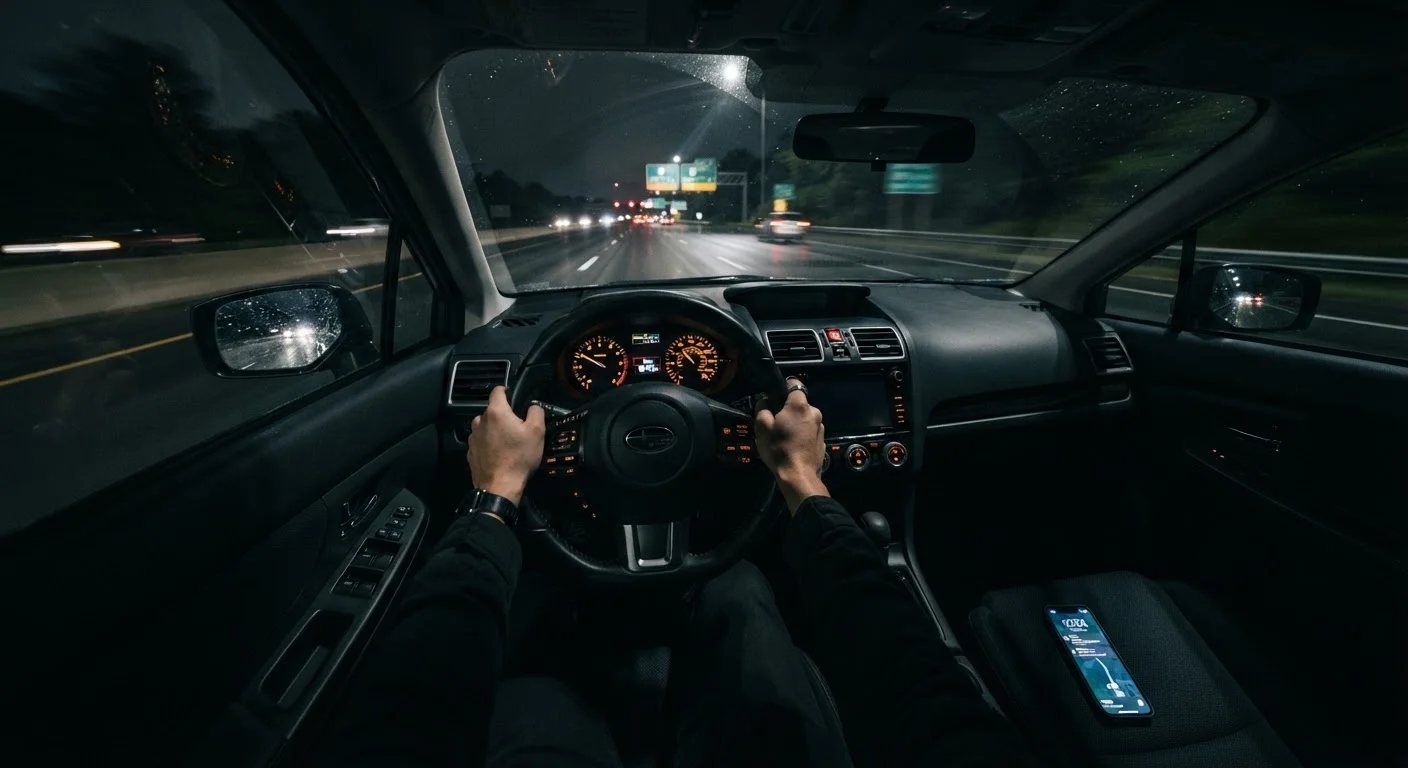
Photo: BridgeWish.com | Reliable Source Of Information editorial
Key Takeaways
- Distraction falls into three categories: visual, manual, and cognitive - and they often overlap.
- Texting while driving is considered one of the most dangerous forms because it triggers all three distraction types.
- Hands-free devices reduce manual distraction but do not eliminate cognitive distraction.
- Even brief attention gaps - as short as five seconds at highway speed - can lead to serious crashes.
- Passengers, navigation systems, and even intense thought can distract drivers as effectively as a phone.
The Attention Problem Behind Every Distracted Driving Crash
Driving is not a passive activity. At any given moment, a safe driver is scanning the road, tracking the speed and position of nearby vehicles, anticipating light changes, and making dozens of micro-decisions per minute. All of that demands sustained, undivided attention - a resource that is surprisingly finite.
When something pulls attention away from that complex task, even briefly, the consequences can be severe. According to NHTSA data, distracted driving claimed more than 3,000 lives in a single recent year in the United States. What makes those numbers particularly troubling is that distraction takes many forms most drivers don't recognize as dangerous in the moment.
Understanding situational awareness on the road helps explain why attention gaps are so costly: skilled drivers are constantly processing the environment ahead of them, and any break in that cycle removes the buffer time needed to avoid a hazard.
3,000+
US distracted driving fatalities annually
According to NHTSA data, distracted driving consistently claims more than 3,000 lives per year in the United States.
~400 ft
Distance traveled in 5 seconds at 55 mph
NHTSA uses this figure to illustrate how much road is covered effectively unseen during a brief phone glance at highway speed.
8-9x
Increased crash risk while texting
Research published in driving safety literature suggests texting behind the wheel can elevate crash or near-crash risk by a significant factor compared to undistracted driving.
Three Categories of Distraction - and Why They Overlap
NHTSA's framework breaks distracted driving into three distinct types, each targeting a different cognitive or physical resource:
- Visual distraction - looking at something other than the road, such as a phone screen, a roadside billboard, or a crash scene.
- Manual distraction - removing one or both hands from the wheel, whether to reach for a drink, adjust the radio, or handle a device.
- Cognitive distraction - mentally disengaging from the driving task, even while eyes remain forward. Intense conversations, emotional stress, and daydreaming all qualify.
The dangerous reality is that these categories rarely operate in isolation. Texting while driving, for instance, simultaneously pulls the eyes down (visual), occupies the hands (manual), and engages the brain in composing a message (cognitive). That triple overlap is precisely why driving researchers treat it as one of the highest-risk behaviors behind the wheel.
The Distractions Drivers Underestimate
Cellphones dominate public awareness of distracted driving - and rightly so - but they're far from the only culprit. Several common behaviors carry meaningful risk that drivers routinely underestimate:
- Hands-free calling: Many drivers assume a Bluetooth call is safe because both hands stay on the wheel. But cognitive distraction remains. Studies have shown that phone conversations, even hands-free, can narrow a driver's visual focus and slow reaction time - a phenomenon sometimes called "inattentional blindness."
- Navigation systems: Glancing at a GPS screen, or reprogramming a route while moving, introduces visual and manual distraction at precisely the moments when road conditions may be changing.
- Passengers: Conversation with passengers divides cognitive attention. For newer drivers especially, the presence of peers in the vehicle is associated with elevated crash risk. See how social dynamics in the car affect driver risk for a deeper look at this pattern.
- Eating and drinking: Unwrapping food, managing a hot beverage, or picking up a dropped item all divert hands and eyes from the task of driving.
- Intense thought: Stress, an argument replayed mentally, or absorbing audio content can all induce cognitive distraction even when a driver's eyes appear forward-facing.
Before You Move, Minimize Distractions
What the Research Reveals About Attention Gaps
A widely cited statistic from NHTSA illustrates the scale of the problem: at 55 mph, taking your eyes off the road for just five seconds - about the time needed to read a text - means traveling approximately 400 feet without meaningful visual input. That's more than the length of a standard American football field, covered effectively blind.
Research using driving simulators and naturalistic observation has consistently found that distraction degrades both reaction time and hazard detection. In some studies, cognitively distracted drivers missed traffic signals and pedestrians they would otherwise have registered, even when their eyes were pointed in the right direction. The brain, it turns out, isn't simply processing everything the eyes see - it actively filters based on where attention is directed.
This has important implications for highway driving habits, where higher speeds compress the available time to react. A distraction event that is recoverable at 25 mph in a neighborhood may be catastrophic at 70 mph on an interstate.
It's also worth distinguishing distracted driving from impaired driving. While both compromise safety, they work through different mechanisms. Understanding how distraction and impairment differ can sharpen the conversation around prevention strategies for each.
Hands-Free Doesn't Mean Risk-Free
Practical Habits That Reduce Distraction Risk
No technology or policy eliminates distraction entirely, but a set of consistent habits can meaningfully reduce exposure to its most dangerous forms:
- Put the phone away before moving. Placing a phone in a bag, glove compartment, or the back seat removes the temptation to check notifications. Out of reach means out of mind.
- Set navigation before departure. Program destinations while stationary. If re-routing is needed mid-trip, pull over safely before interacting with the device.
- Limit in-car conversations during complex driving. Merging onto a busy highway, navigating an unfamiliar interchange, or driving in poor weather warrants pausing conversation - whether with passengers or via a hands-free call.
- Prepare before pulling out. Adjust mirrors, climate controls, and audio before moving. Reducing mid-drive adjustments keeps hands and eyes where they belong.
- Recognize cognitive fatigue as a distraction risk. Emotional distress or mental preoccupation is a real distraction. If your mind isn't on the road, that's a reason to pull over and reset - just as you would for drowsiness. Learn more about how fatigue affects driver performance.
This article is intended for general educational purposes and does not constitute legal or safety certification advice. Traffic laws vary by state; consult your state's Department of Motor Vehicles or equivalent authority for jurisdiction-specific rules.
Frequently Asked Questions
The content on this site is for informational purposes only and is not a substitute for professional advice. Always consult a qualified professional for guidance specific to your situation.