
Driving With Passengers vs. Driving Alone: How Social Dynamics Affect Risk

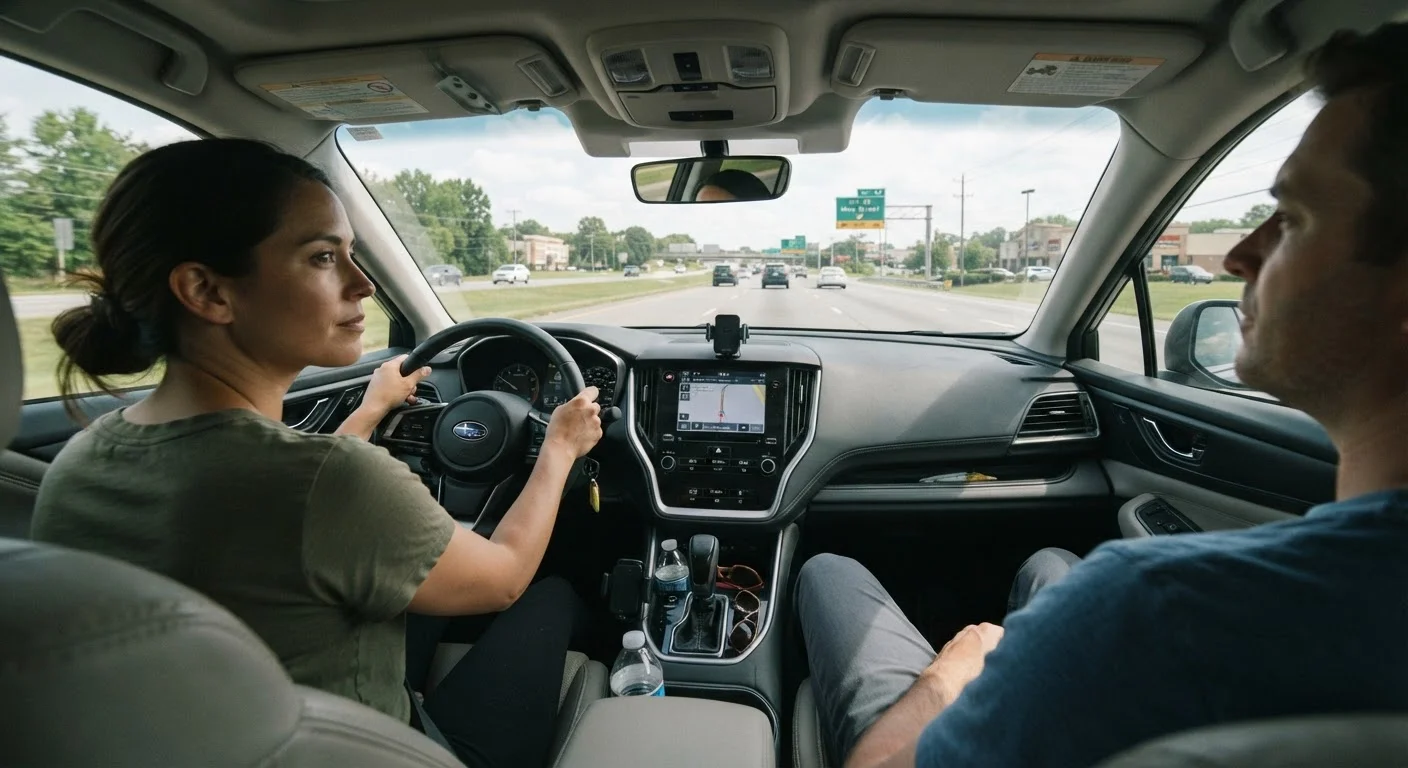
Photo: BridgeWish.com | Reliable Source Of Information editorial
Key Takeaways
- Teen drivers face significantly elevated crash risk with peer passengers compared to driving alone.
- Adult drivers can sometimes benefit from a calm, attentive passenger who acts as a co-pilot.
- Social pressure from passengers - especially peers - can encourage speeding and distracted driving.
- Graduated Driver Licensing laws restrict passengers for new drivers precisely because of these risks.
- Lone drivers face their own risks, including fatigue and lack of external accountability.
- Context matters: the passenger's age, relationship, and behavior all shape the overall risk profile.
Why Passengers Change the Risk Equation
Most drivers intuitively sense that having someone in the car changes the experience - but the direction of that change isn't always negative. Research consistently shows that the effect of passengers on driving safety depends heavily on who they are and how they behave. The car is a social environment, and that social layer directly shapes driver attention, speed choice, and decision-making.
For understanding how divided attention affects driving, passengers are a meaningful variable. A lively conversation, even without a screen involved, draws cognitive resources away from the driving task. The brain's capacity to process competing inputs isn't unlimited - and passengers introduce demands that compound the existing workload of navigating traffic.
That said, passenger influence isn't purely subtractive. A calm adult who monitors traffic, helps with navigation, or simply voices concern when a driver is speeding can add a layer of situational awareness the solo driver lacks.
Teen Drivers: Passengers as a Documented Hazard
The risk increase is most pronounced - and most thoroughly documented - among young, inexperienced drivers. Studies from organizations including the AAA Foundation for Traffic Safety have found that crash risk for teen drivers rises substantially with each additional peer passenger. The presence of one teenage peer roughly doubles crash risk; two or more peers can multiply it further.
Why? Peer passengers tend to encourage risk-taking behavior. Speed climbs, following distances shrink, and seat belt use can drop when social dynamics push toward thrill-seeking or bravado. Teen drivers are also more susceptible to distraction from conversation, laughter, or passengers using phones - and less equipped to manage it because their driving skills haven't fully automated.
This is the core rationale behind Graduated Driver Licensing (GDL) laws in all 50 states, which restrict the number and type of passengers a newly licensed driver may carry during evening and nighttime hours. These restrictions are evidence-based policy, not arbitrary inconvenience.
~2x
Teen crash risk increase with one peer passenger
AAA Foundation for Traffic Safety research indicates teen driver crash risk approximately doubles with one teenage peer in the vehicle.
All 50
U.S. states with GDL passenger restrictions
Every U.S. state has enacted Graduated Driver Licensing laws that include passenger limits for newly licensed drivers, particularly at night.
For a deeper look at how inexperience interacts with distraction risk across life stages, see our guide on safe driving at every life stage.
Adult Drivers: When Passengers Help - and When They Don't
For experienced drivers, the passenger effect is more nuanced. An adult passenger can genuinely improve safety in certain conditions: long highway drives where fatigue is a concern, unfamiliar routes where navigation support is valuable, or challenging weather where a second set of eyes helps. A composed co-pilot who doesn't demand constant conversational attention can be an asset rather than a liability.
However, adult drivers are not immune to passenger-driven distraction. Emotionally charged conversations, disputes, or even engaging storytelling can pull attention off the road as effectively as a ringing phone. Both distraction and impairment reduce driving capability, and social pressure from adult passengers - encouraging faster driving, dismissing caution, or creating emotional stress - mirrors some of those same cognitive effects.
| Driving Alone | Driving With Peer Passengers (Teen Drivers) | Driving With Adult Passengers | |
|---|---|---|---|
| Distraction risk | Moderate (device use, fatigue) | High (social pressure, noise) | Low to moderate (conversation-dependent) |
| Crash risk vs. solo baseline | Baseline | Significantly elevated | Neutral or slightly reduced |
| Fatigue management | Poor (no external check) | Poor (distraction masks fatigue) | Better (passenger can notice drowsiness) |
| Speed compliance tendency | Self-regulated | Lower with peer influence | Stable or improved |
| Navigation support | Driver handles alone | Unreliable co-pilot | Reliable co-pilot possible |
| Regulatory restrictions | None | GDL laws apply in all 50 states | None for licensed adult drivers |
The key variable isn't simply the presence of a passenger but the quality of the social dynamic. Drivers can and should feel empowered to set norms in their own vehicle - including asking passengers to hold a conversation until conditions allow for it.
Driving Alone: A Different Risk Profile
Solo driving eliminates social distraction, but it introduces its own hazards. Without a passenger to notice drowsiness or prompt alertness, fatigue can accumulate undetected. There's no one to flag an emerging hazard, suggest a rest stop, or raise concern about speed. The accountability that a thoughtful passenger provides simply isn't there.
Solo drivers are also more likely to use phones for navigation, music, or communication - partially filling the silence - which reintroduces the distraction risk from a different direction. On long or monotonous routes, particularly highway trips where sustained vigilance is required, driving alone demands more deliberate self-management: regular breaks, controlled rest, and pre-trip preparation to reduce the need to manage devices while moving.
Plan Solo Trips to Reduce In-Car Decisions
The risk profile of solo driving also varies by environment. Highway and city driving present different demands, and a lone driver navigating dense urban intersections faces very different cognitive loads than one cruising an open interstate.
Practical Strategies for Managing Passenger Dynamics
Recognizing how passengers affect risk is only useful if it translates into changed behavior. A few evidence-consistent practices can help drivers of all experience levels manage the social environment inside the vehicle:
- Set ground rules early. Drivers - especially new ones - can establish that conversations pause during complex maneuvers, merging, or bad weather without making it awkward.
- Limit passenger numbers when inexperienced. Even where GDL laws don't apply, the underlying logic holds: fewer passengers means a quieter, less distracting cabin.
- Recruit a co-pilot deliberately. On longer drives, a passenger who knows their role - monitoring navigation, watching for hazards, flagging fatigue - provides genuine value.
- Don't rely on passengers to compensate for impairment or exhaustion. A passenger can help, but they cannot substitute for an alert driver. If you're too tired to drive safely, the responsible answer is to stop.
Managing passengers is one dimension of the broader challenge of managing attention behind the wheel. For a fuller picture of how distraction works, our article on divided attention and dangerous gaps covers the full landscape of attention risks drivers face.
The content on this site is for informational purposes only and is not a substitute for professional advice. Always consult a qualified professional for guidance specific to your situation.