
Safe Driving at Every Life Stage: New Drivers, Commuters, and Older Adults

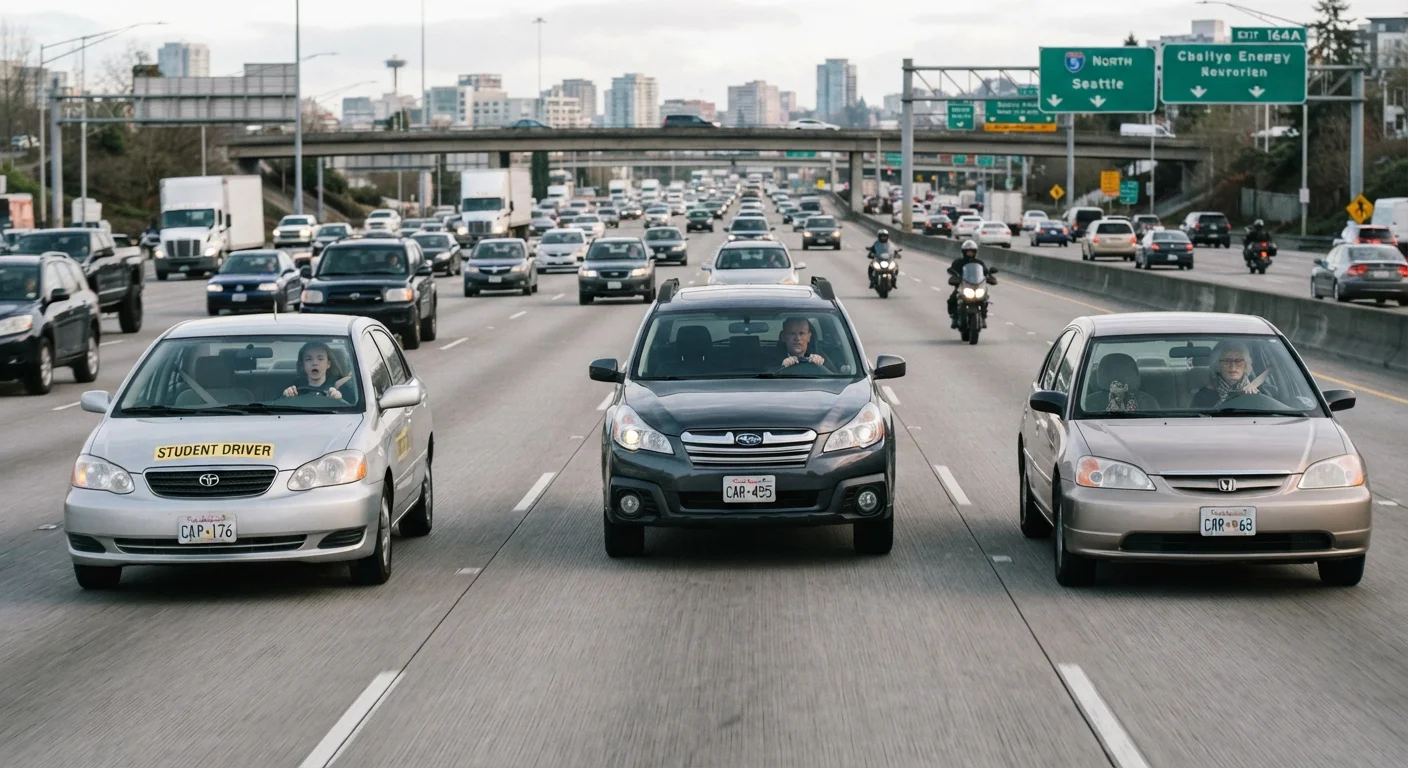
Photo: BridgeWish.com | Reliable Source Of Information editorial
Key Takeaways
- Crash risk is highest in the first year of independent driving due to inexperience, not recklessness.
- Commuter fatigue and route familiarity create a false sense of security that raises risk over time.
- Older adults can extend safe driving years by proactively managing health, medications, and vehicle fit.
- Situational awareness is the single skill that benefits drivers across all life stages.
- No driver should assume their habits from years ago are adequate for today's roads and distractions.
Why Life Stage Shapes Driving Risk
Driving is not a static skill. The risks a 17-year-old faces behind the wheel differ substantially from those facing a 45-year-old daily commuter or a 75-year-old navigating retirement errands. Physical capability, cognitive load, experience level, and behavioral tendencies all shift across a lifetime - and so does the nature of driving danger.
According to the National Highway Traffic Safety Administration (NHTSA), crash rates are disproportionately high among teens and drivers over 70, but for entirely different reasons. Teens lack experience; older adults may face declining reaction time and vision. Commuters occupy a middle ground where overconfidence and mental fatigue introduce their own hazards.
Understanding which risks apply to your stage of driving life is the first step toward meaningfully reducing them. This guide addresses each group with targeted, evidence-informed guidance.
3x
Higher crash risk for drivers aged 16-17
Per mile driven, drivers aged 16-17 have crash rates roughly three times higher than drivers aged 20 and older, according to NHTSA data.
~20%
Fatal crashes involving drowsy driving
The AAA Foundation for Traffic Safety estimates drowsy driving is a factor in roughly 21% of fatal crashes annually in the US.
65+
Age at which crash fatality rates rise again
Per mile driven, crash fatality rates increase notably for drivers 65 and older, due primarily to increased physical vulnerability in crashes, per IIHS data.
New Drivers: Building Safe Habits from the Start
The most dangerous period for any driver is the first 12 to 24 months after licensure. Research consistently shows that crash rates peak during this window - not because young drivers are inherently reckless, but because they lack the experience to recognize and respond to hazards before they become emergencies.
New drivers tend to struggle most in high-complexity situations: merging onto highways, navigating uncontrolled intersections, driving after dark, and managing peer passengers. Our guide on high-risk situations for new drivers breaks down exactly where these mistakes cluster and how to prepare before encountering them.
New drivers should practice high-risk scenarios - highway merging, night driving, wet roads - deliberately with a licensed adult before encountering them solo. Supervised exposure to stress conditions builds the pattern recognition that saves lives.
If you're a daily commuter, periodically vary your route or driving time slightly. This disrupts the autopilot effect and keeps your brain more actively engaged with the road environment.
Graduated Driver Licensing (GDL) laws in most US states are designed to limit exposure to these high-risk scenarios early on - restricting night driving, limiting passengers, and requiring supervised hours. Following GDL guidelines, even when they feel restrictive, is associated with meaningfully lower crash rates. New drivers should also prioritize learning pre-drive vehicle checks from the outset - catching a flat tire or low wiper fluid before a trip is a habit best formed early.
Passenger Risk Is Real for Teen Drivers
Commuters: Managing Familiarity and Fatigue
Experienced commuters face a counterintuitive risk: familiarity. When a driver takes the same route hundreds of times, the brain shifts into a lower-engagement mode sometimes called highway hypnosis or inattention blindness. The route feels automatic - and in that autopilot state, unexpected hazards can go unnoticed until it's too late.
Commuter fatigue compounds this problem. Drowsy driving impairs reaction time in ways that parallel alcohol impairment, and millions of Americans drive to and from work while sleep-deprived. Combined with the distraction pressure of smartphones, in-vehicle infotainment, and mental preoccupation with work, commuter driving demands more deliberate attention than it typically receives.
Developing strong situational awareness habits is particularly valuable for commuters, since that skill counteracts the drift into passive driving. Commuters should also recognize that city and highway environments carry different risk profiles - even when the route is familiar, the hazards change daily.
Set a Simple Commuter Reset Habit
Older Adults: Adapting to Changing Capabilities
Older drivers as a group are among the most conscientious on the road - they tend to wear seatbelts consistently, avoid impaired driving, and self-regulate by avoiding adverse conditions. However, age-related changes in vision, reaction time, joint flexibility, and cognitive processing do affect driving capability, and these changes typically accelerate after age 70.
Common changes that affect driving include reduced peripheral vision, increased glare sensitivity (especially at night - see our guide on night driving safety), slower reaction times, and difficulty with complex multi-step decisions at busy intersections. Medications - including many common prescriptions for blood pressure, anxiety, and pain - can also impair alertness and coordination. Older drivers should discuss any new medications with their physician with driving in mind.
Medications and Driving: A Serious Overlap
Vehicle choice matters more at this life stage. Features like backup cameras, lane-keeping assist, automatic emergency braking, and adjustable pedals and seating can meaningfully extend years of safe, independent driving. An occupational therapist specializing in driver rehabilitation can assess individual capability and recommend adaptations with far more precision than any general checklist.
“Driving cessation is one of the most significant losses of independence older adults face. The goal shouldn't be to take the keys away prematurely - it should be to help people drive safely for as long as possible and transition thoughtfully when the time comes.”
— David W. Eby, Senior Research Scientist, University of Michigan Transportation Research Institute
Habits That Serve Every Driver, at Every Stage
While the specific risks differ by life stage, a core set of practices benefits all drivers regardless of age or experience level. These are not beginner basics - they are the behaviors that distinguish reliably safe drivers from those who rely on luck.
- Scan ahead, not just immediately in front: Looking 10 to 15 seconds ahead in traffic gives you time to react. This is the foundation of effective situational awareness.
- Adjust for conditions: Speed limits are maximums for ideal conditions. Rain, ice, fog, and darkness all warrant reduced speed. Our guide on driving in adverse weather covers each scenario in depth.
- Manage passengers deliberately: Passenger dynamics affect risk - for new drivers, peer passengers increase distraction; for older drivers, a trusted companion can serve as a second set of eyes. See how social dynamics shift driving risk for context.
- Never skip pre-drive checks: A quick walk-around before every trip takes under two minutes and can prevent roadside emergencies.
- Recognize when not to drive: Fatigue, emotional distress, illness, or medication side effects are all valid reasons to delay a trip. This applies at every age.
Safe driving is a continuous practice, not a credential earned once and forgotten. The drivers who maintain the best long-term records are those who treat it as a skill requiring ongoing attention - regardless of how many years they've held a license.
The content on this site is for informational purposes only and is not a substitute for professional advice. Always consult a qualified professional for guidance specific to your situation.