
Safe Driving

Pre-Drive Vehicle Checks Every Driver Should Know

Pre-Drive Vehicle Checks Every Driver Should Know

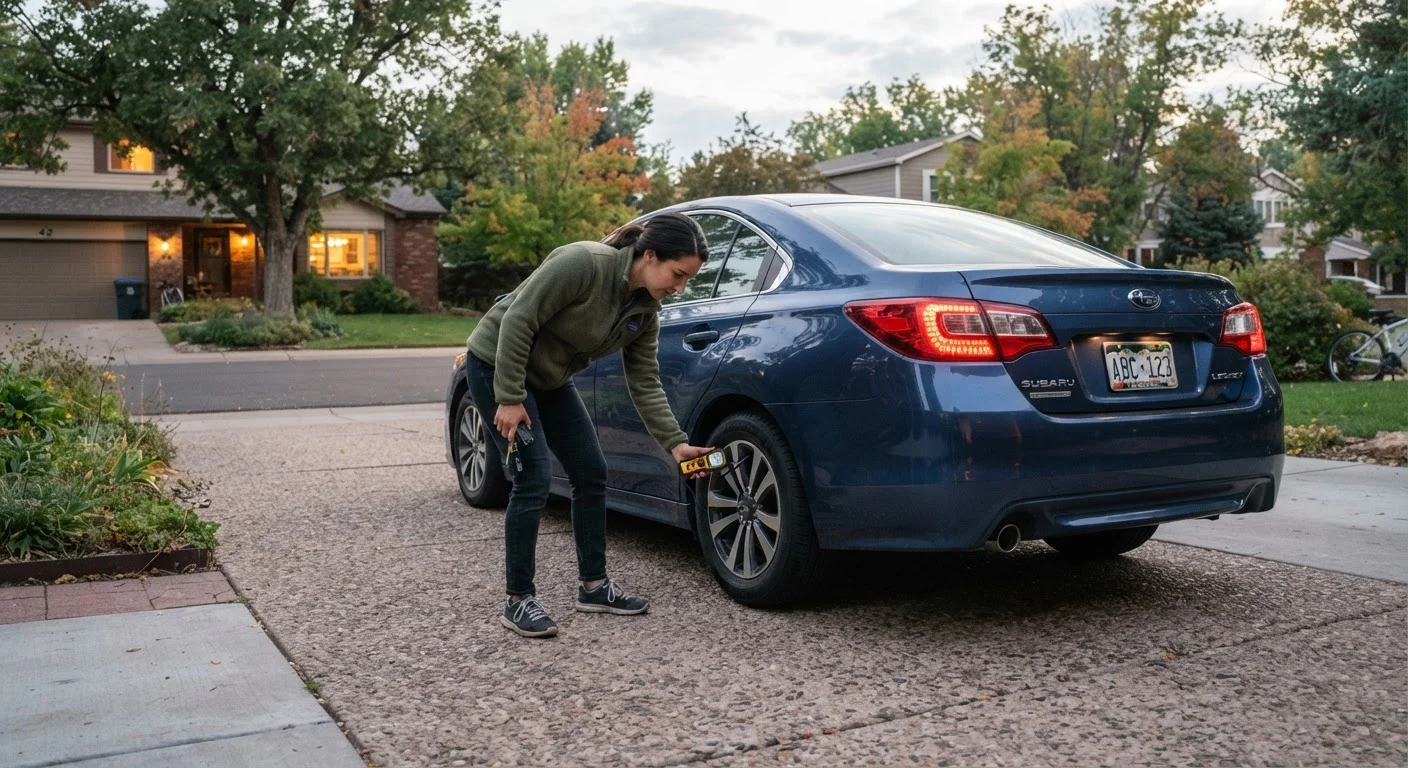
Photo: BridgeWish.com | Reliable Source Of Information editorial

A practical walkthrough of the quick checks you should do before every trip to catch safety issues before they become roadside emergencies.

Key Takeaways

  • Most pre-drive checks take under ten minutes and require no tools.
  • Tire condition and pressure are among the most commonly overlooked safety factors.
  • Dashboard warning lights should never be ignored before starting a trip.
  • Mirrors, seatbelts, and visibility checks protect you from the moment you pull out.
  • Consistent pre-drive habits significantly reduce the risk of preventable breakdowns.

Why Pre-Drive Checks Matter

Most roadside breakdowns and a significant share of collision-contributing vehicle defects are preventable. Tires, lights, fluids, and visibility all degrade gradually — meaning a problem that causes a blowout on the highway often gave visible warning signs days earlier in the driveway. A brief walk-around before you turn the key is one of the most effective safety habits a driver can build.

This checklist is designed for everyday use — short commutes, school runs, and weekend errands — not just long road trips. For anything beyond a day trip, pair this routine with the more detailed pre-road-trip vehicle checklist before you leave. And if you spot warning lights during your startup check, this quick-reference guide to dashboard warning lights can help you decide what needs immediate attention.

Exterior Walk-Around

Walk around all four sides of the vehicle and visually confirm no obstacles, people, or animals are in your path or immediately behind the car. Must
Inspect all four tires for obvious flats, visible sidewall damage, or embedded objects such as nails or glass. Must
Check tire pressure with a gauge and compare against the recommended PSI on the driver's door jamb sticker — not the maximum figure on the tire sidewall. Should
Confirm all exterior lights — headlights, taillights, brake lights, and turn signals — are functioning by doing a quick circuit with the engine on. Must
Look under the vehicle for fresh fluid puddles that weren't there when you parked. Should

Visibility and Glass

Check the windshield for cracks, chips, or significant scratches that fall within the driver's line of sight. Must
Confirm the windshield is fully defogged or defrosted before moving — do not rely solely on wipers to clear ice or heavy condensation. Must
Verify that wiper blades are making full contact and aren't streaking, splitting, or lifting at speed. Should
Adjust all mirrors — driver's side, passenger's side, and rearview — before putting the vehicle in gear. Must

Under the Hood (Quick Check)

Check the engine oil level using the dipstick; low oil is one of the most common and damaging overlooked conditions. Should
Visually confirm the coolant reservoir is between the MIN and MAX marks — never open a hot radiator cap. Should
Glance at the brake fluid reservoir; a significant drop in level can indicate a leak or worn brake pads. Should

Interior and Startup

Fasten your seatbelt and confirm that all passengers — including rear-seat occupants — are buckled before moving. Must
After starting the engine, allow warning lights to cycle off and note any that remain illuminated; investigate before driving if unsure. Must
Test the horn briefly to confirm it's operational — it's a required safety device in all US states. Nice to have
Confirm the fuel level is sufficient for your intended trip, including any detours. Must
Secure any loose cargo, bags, or objects on the rear seat or cargo area that could shift during braking. Should
Adjust your seat position and steering wheel if anyone else has driven the vehicle since your last trip. Should

Tools You'll Need

Most of these checks are purely visual and require nothing but your eyes and a moment of attention. A few items benefit from a simple, inexpensive gauge or light. Keep these in your glove box or trunk so they're always at hand.

Required

Tire Pressure Gauge

Accurately measures PSI in each tire so you can compare against the manufacturer's recommended pressure.

Optional

Flashlight or Smartphone Torch

Helps you inspect tires, look under the vehicle, and check fluid levels in dim light conditions.

Optional

Tread Depth Gauge

Confirms whether tire tread depth is still within a safe and legal range (generally above 2/32 of an inch).

Required

Owner's Manual

Provides vehicle-specific fluid capacities, recommended pressures, and dashboard warning light explanations.

What to Do When You Find a Problem

Spotting an issue during a pre-drive check is the system working exactly as intended. Not every finding means you can't drive — but some do. Use these guidelines:

  • Flat or significantly underinflated tire: Do not drive on it. Inflate to the recommended pressure (found on the driver's door jamb sticker) or use your spare before moving.
  • A warning light that wasn't there yesterday: Check what your check engine light is actually telling you before deciding whether to drive.
  • Fluid puddle under the vehicle: Identify the fluid if possible — oil is dark and oily, coolant is often bright green or orange and sweet-smelling, brake fluid is clear to yellowish. A brake fluid leak is a stop-immediately situation; have the vehicle inspected before driving.
  • Cracked windshield or severely fogged glass: If visibility is materially impaired, wait until the glass clears or the damage is repaired.

Don't Skip Checks in Cold Weather

Freezing temperatures cause tire pressure to drop — roughly 1 PSI for every 10°F decrease in air temperature. A tire that read normal in autumn may be dangerously underinflated after a cold snap. Ice and snow also obscure fluid leaks and exterior damage, so cold-weather walk-arounds require extra attention to the ground and the undercarriage.

Worn Tires Are a Legal and Safety Issue

In most US states, tires with tread depth at or below 2/32 of an inch are considered legally bald and must be replaced. Driving on worn tires dramatically increases stopping distances on wet pavement. Use the quarter test as a rough guide: insert a quarter into a tread groove with Washington's head facing down — if you can see the top of his head, the tread is critically low.

Building this habit is especially valuable for drivers at different stages of experience. Safe driving practices shift across life stages — new drivers benefit most from structured pre-drive routines, but experienced drivers can develop complacency that these checks counteract. Once you're on the road, highway-specific habits complement what you've verified at home.

Brake Problems: Don't Drive, Get Help

If your brake pedal feels spongy, travels unusually far to the floor, or you notice a brake fluid puddle under the vehicle, do not drive. Brake system failures can result in complete loss of stopping ability. Have the vehicle towed or inspected by a qualified mechanic before moving it under its own power. For a deeper look at fluid checks, see fluid checks every driver should know how to do.

Autos Editorial Team

BridgeWish.com | Reliable Source Of Information

Autos Editorial Team is the collective byline for our editorial team and contributor network. Articles published under this byline or an editorial pen name are researched, written, and reviewed according to our editorial standards for clarity, consistency, and independence before publication.

Car MaintenanceBuying & OwningSafe Driving
View author profile

The content on this site is for informational purposes only and is not a substitute for professional advice. Always consult a qualified professional for guidance specific to your situation.