
Car Maintenance

Pre-Road-Trip Vehicle Checklist

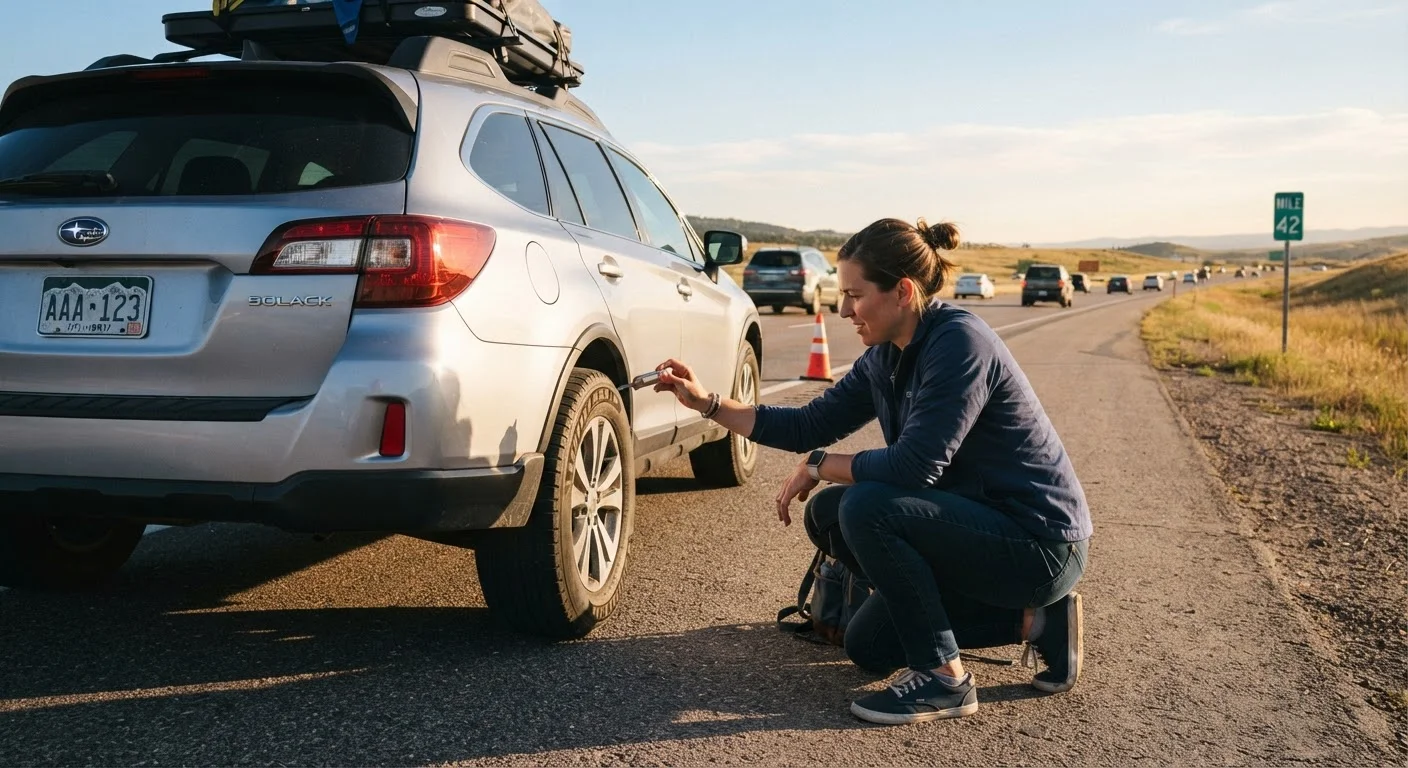
Pre-Road-Trip Vehicle Checklist

Photo: BridgeWish.com | Reliable Source Of Information editorial

Use this checklist before any long drive to verify your tires, fluids, brakes, lights, and emergency kit are all in order.

Key Takeaways

  • Tire pressure and tread depth are the most critical safety checks before any long drive.
  • Fluid levels — oil, coolant, brake fluid, and washer fluid — should all be verified before departure.
  • A properly stocked emergency kit can be the difference between a minor inconvenience and a serious roadside crisis.
  • Brake performance and light function must be confirmed, not assumed, before highway driving.
  • Many pre-trip checks take under five minutes each but are commonly skipped by drivers.

Why a Pre-Road-Trip Check Matters

A long drive puts significantly more stress on your vehicle than a daily commute. Higher sustained speeds, extended engine operation, and unfamiliar roads all amplify any existing mechanical weakness. Problems that are a minor nuisance around town — a slow tire leak, a slightly spongy brake pedal, a dim headlight — can become genuine safety hazards at highway speeds or in remote areas where help is hours away.

This checklist is designed for everyday drivers, not mechanics. Most items require nothing more than your eyes, a few basic tools, and 30 to 60 minutes. For a broader view of routine vehicle care that extends beyond trip prep, see our comprehensive car ownership and maintenance guide. If you're also planning the trip logistics side, the Trip Planning hub covers itinerary, documents, and packing in detail.

Work through each group below at least 48 hours before departure so you have time to address anything that needs attention.

Required

Tire pressure gauge

Accurately measures PSI in each tire so you can match the manufacturer's specification before departure.

Required

Penny (for tread test)

Used to perform a quick visual check of tire tread depth without specialized tools.

Required

Flashlight or work light

Essential for inspecting fluid reservoirs, belts, hoses, and undercarriage areas in low-light conditions.

Required

Clean rags or paper towels

Needed for wiping the dipstick when checking oil level and for cleaning fluid residue from reservoir caps.

Optional

Jump-start power pack

Provides a portable battery boost if the vehicle fails to start without requiring a second car.

Required

Reflective warning triangles or road flares

Alert oncoming traffic if you are stopped on the shoulder — legally required in some states.

The Complete Pre-Road-Trip Checklist

Organize your inspection by system — working through tires first, then moving under the hood, then exterior lights, and finally your in-cabin emergency readiness. This sequence lets you catch interdependent issues (for example, a fluid leak that also affects tire cleanliness) before you move on.

Tires

Check tire pressure on all four tires (and the spare) using a calibrated gauge, matching the PSI listed on the driver's door jamb — not the number on the tire sidewall. Must
Inspect tread depth using the penny test: insert a penny with Lincoln's head facing down — if you can see the top of his head, tread is below the safe threshold and tires should be replaced. Must
Look for visible sidewall cracks, bulges, or uneven wear patterns that may indicate alignment or suspension issues. Must
Confirm the spare tire is inflated to the correct pressure and that the jack and lug wrench are accessible and complete. Must

Fluids

Check engine oil level and color using the dipstick; oil that is very dark or gritty may need changing before a long drive. Must
Verify coolant (antifreeze) level in the overflow reservoir and confirm the mixture is appropriate for the temperatures you'll encounter. Must
Inspect brake fluid level in the master cylinder reservoir; low fluid can indicate worn brake pads or a leak. Must
Check power steering fluid and transmission fluid levels if your vehicle uses conventional (non-electric) systems. Should
Top off windshield washer fluid with a formula rated for road temperatures on your route. Should

Brakes and Belts

Listen for squealing, grinding, or pulsing when braking during a low-speed test in a parking lot — any of these symptoms warrants a professional inspection before the trip. Must
Visually inspect the serpentine belt through the engine bay for cracking, fraying, or glazing; a broken belt can disable the alternator, power steering, and water pump simultaneously. Should
Check radiator and coolant hoses for soft spots, bulging, or cracks near the clamp ends. Should

Lights and Visibility

Test all exterior lights — headlights (low and high beam), taillights, brake lights, turn signals, reverse lights, and hazard lights — with a helper or a reflective surface. Must
Clean all exterior lenses and the windshield inside and out; hazy headlight covers and dirty glass significantly reduce nighttime visibility. Should
Inspect wiper blades for streaking or skipping and replace any blade that leaves areas uncleared. Should

Emergency Kit

Confirm your roadside emergency kit includes jumper cables or a jump-start power pack, a reflective warning triangle or road flares, and a flashlight with fresh batteries. Must
Pack a basic first-aid kit that includes bandages, antiseptic wipes, and any prescription medications needed for the duration of the trip. Must
Store a paper map or downloaded offline map of your route in case cellular coverage is unavailable. Should
Include bottled water, a non-perishable snack, and a blanket in the vehicle in case of an extended roadside wait in an isolated area. Nice to have
Carry a portable phone charger so you can contact roadside assistance even if your battery is low. Should

Don't Skip the Spare Tire Check

Many drivers discover their spare is flat only after they've already had a blowout — which is the worst possible time. Spare tires, especially compact 'donut' spares, lose pressure slowly over months or years of sitting unused. Check spare pressure every time you check your road tires, and note that compact spares typically have a maximum speed rating of 50 mph and a limited mileage range. Never rely on a compact spare as a long-distance solution.

For a shorter version focused on the immediate pre-drive walkthrough — useful for every trip, not just long ones — see our pre-trip vehicle safety walkthrough. And if you want to coordinate your vehicle check with your broader travel prep, the pre-departure checklist for any trip covers the non-vehicle side of departure readiness.

When to Involve a Professional

Several items on this checklist — particularly brake inspection, belt and hose condition, and suspension wear — go beyond what most drivers can reliably self-assess. If you notice anything unusual during your walkthrough, such as uneven brake response, visible belt cracking, or fluid that appears contaminated, have a qualified mechanic inspect the system before the trip. Don't delay that decision to avoid inconvenience; the cost of a pre-trip shop visit is almost always lower than a roadside tow or emergency repair far from home.

Brake Concerns Must Be Resolved Before Departure

If your brakes exhibit any abnormal behavior during your test — grinding, pulling to one side, a soft pedal, or excessive vibration — do not proceed with the trip until a licensed mechanic has inspected the system. Brake failure is one of the leading contributors to serious highway accidents. This is not a check you defer until after the trip.

Road safety starts well before you turn the ignition. Staying informed about safe driving practices year-round means these pre-trip checks become second nature rather than a last-minute scramble.

Autos Editorial Team

BridgeWish.com | Reliable Source Of Information

Autos Editorial Team is the collective byline for our editorial team and contributor network. Articles published under this byline or an editorial pen name are researched, written, and reviewed according to our editorial standards for clarity, consistency, and independence before publication.

Car MaintenanceBuying & OwningSafe Driving
View author profile

The content on this site is for informational purposes only and is not a substitute for professional advice. Always consult a qualified professional for guidance specific to your situation.