
Dashboard Warning Lights: A Quick-Reference Lookup for US Drivers

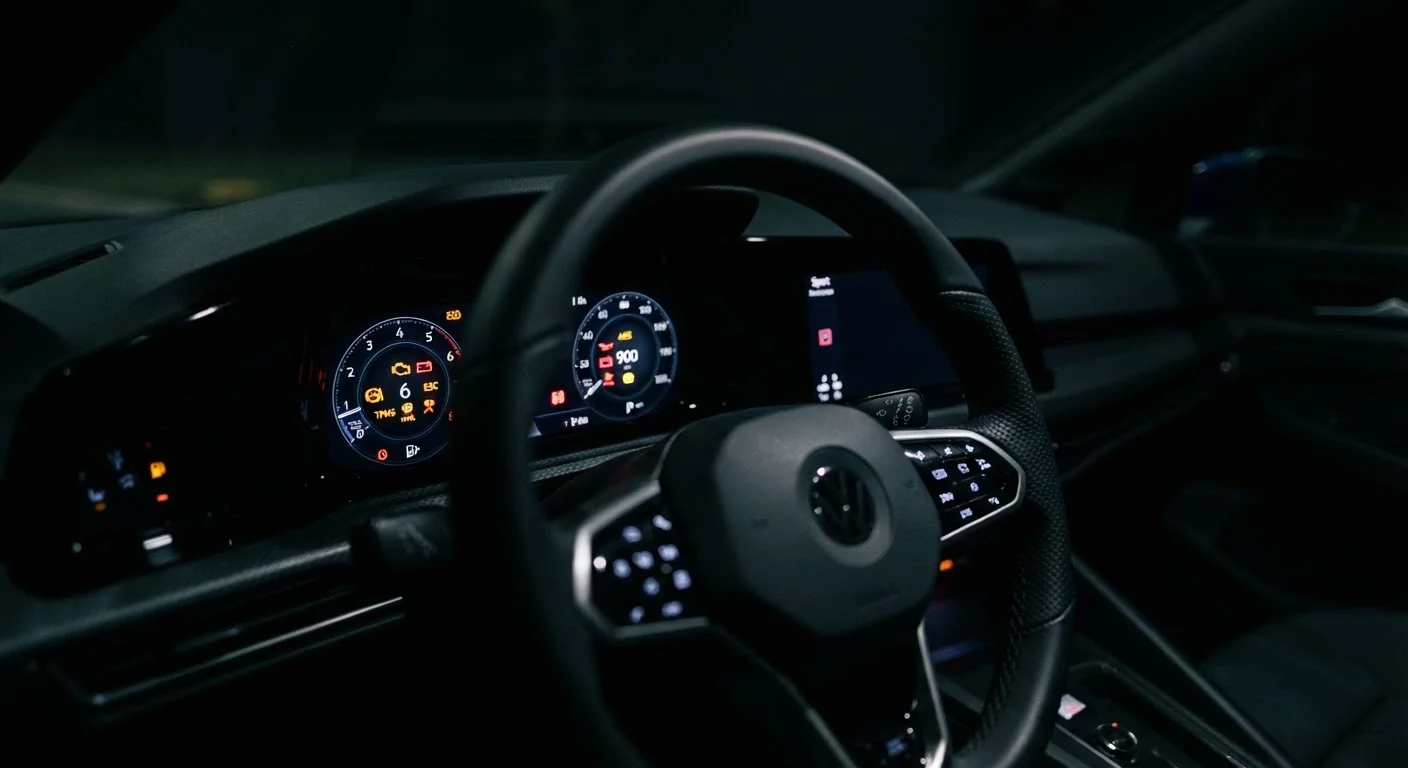
Photo: BridgeWish.com | Reliable Source Of Information editorial
How Dashboard Warning Lights Are Organized
Modern vehicles use a standardized color system to indicate how urgently a warning needs your attention. While the specific symbols can vary slightly by manufacturer, the color logic is broadly consistent across vehicles sold in the US.
- Red means stop or act immediately. These lights signal conditions that can cause mechanical failure, injury, or safety risk if you keep driving.
- Amber or yellow means investigate soon. Something needs attention, but you typically have time to drive safely to a mechanic - don't ignore it.
- Blue or green is informational. These lights confirm a system is active, such as high beams or turn signals, and require no action.
Your owner's manual remains the definitive reference for your specific vehicle, since some manufacturers use proprietary symbols not covered in generic guides. Keep it in your glove compartment or bookmark the digital version.
Common Warning Lights and What They Mean
Below are the most frequently encountered dashboard indicators, grouped by urgency. For a deeper dive into the most commonly misunderstood symbol, see what your check engine light is actually telling you.
OBD-II
On-Board Diagnostics, second generation - a standardized system in all US cars built after 1996 that stores fault codes readable by a diagnostic scanner.
TPMS
Tire Pressure Monitoring System - sensors in each wheel that alert the driver when tire pressure drops significantly below the recommended level.
ABS
Anti-lock Braking System - prevents wheel lockup during hard braking, allowing the driver to maintain steering control. A warning light means the system needs inspection.
ESC
Electronic Stability Control - automatically applies brakes to individual wheels to help prevent skidding or loss of control. Required on all new US passenger vehicles since 2012.
Catalytic Converter
An emissions control device in the exhaust system that converts harmful gases into less toxic substances. A misfiring engine can overheat and damage it rapidly.
Charging System
The alternator and battery working together to supply electrical power to the vehicle. A battery warning light often points to a failing alternator, not just a dead battery.
Red - Act Immediately
| Symbol | What it means | Action |
|---|---|---|
| Oil Pressure (oil can icon) | Engine oil pressure has dropped to a dangerous level | Pull over safely, shut off engine; do not drive further until resolved |
| Engine Temperature (thermometer in liquid) | Coolant temperature is critically high; engine is overheating | Pull over, turn off engine; check coolant level only when cool |
| Battery (battery icon) | Charging system failure; alternator or battery not supplying power | Limit electrical use; drive directly to a shop or risk stalling |
| Brake Warning (circle with exclamation) | Parking brake engaged, or low brake fluid / brake system fault | Confirm parking brake is off; if light persists, stop driving and seek service |
Amber - Address Within Days
| Symbol | What it means | Action |
|---|---|---|
| Check Engine (engine outline) | Emissions or engine management fault detected | Have a mechanic read the OBD-II code; see why ignoring it is a gamble |
| TPMS (tire with exclamation) | One or more tires is significantly under-inflated | Check and correct tire pressure; consult tire pressure guidance for correct PSI |
| Traction Control / ESC (car with swerve lines) | System is active, or has been disabled / has a fault | If flashing briefly, normal; if steady, system may be off or faulty - service recommended |
| Service Engine Soon | Scheduled maintenance is due (oil change, filter, etc.) | Book a routine service appointment within the recommended interval |
| ABS (letters ABS in circle) | Anti-lock braking system fault | Standard brakes still work; schedule ABS inspection soon |
What to Do When a Warning Light Appears
The right response depends on the color and the light's behavior - steady versus flashing typically signals different severity levels. A steadily lit check engine light usually points to a stored fault code, while a flashing one often indicates a misfiring engine that can damage the catalytic converter quickly.
A Flashing Light Is Almost Always More Urgent
When in doubt about any unfamiliar symbol, resist the urge to keep driving until you've identified it. Pull over safely and use your owner's manual or a trusted reference. You can also build a pre-drive habit that catches fluid and tire issues before a warning light appears on the road.
For fluid-level related lights - oil, coolant, washer fluid - understanding what each fluid does helps you respond with the right urgency. Car fluids every driver should know offers a plain-language breakdown of what to check and what warning signs to look for.
Finally, dashboard literacy is one piece of broader road safety knowledge. The same attention to detail that helps you decode a warning icon also helps when reading road markings - see traffic signs and road markings drivers frequently overlook for a complementary reference.
The content on this site is for informational purposes only and is not a substitute for professional advice. Always consult a qualified professional for guidance specific to your situation.