
Why Ignoring Your Check Engine Light Is a Gamble

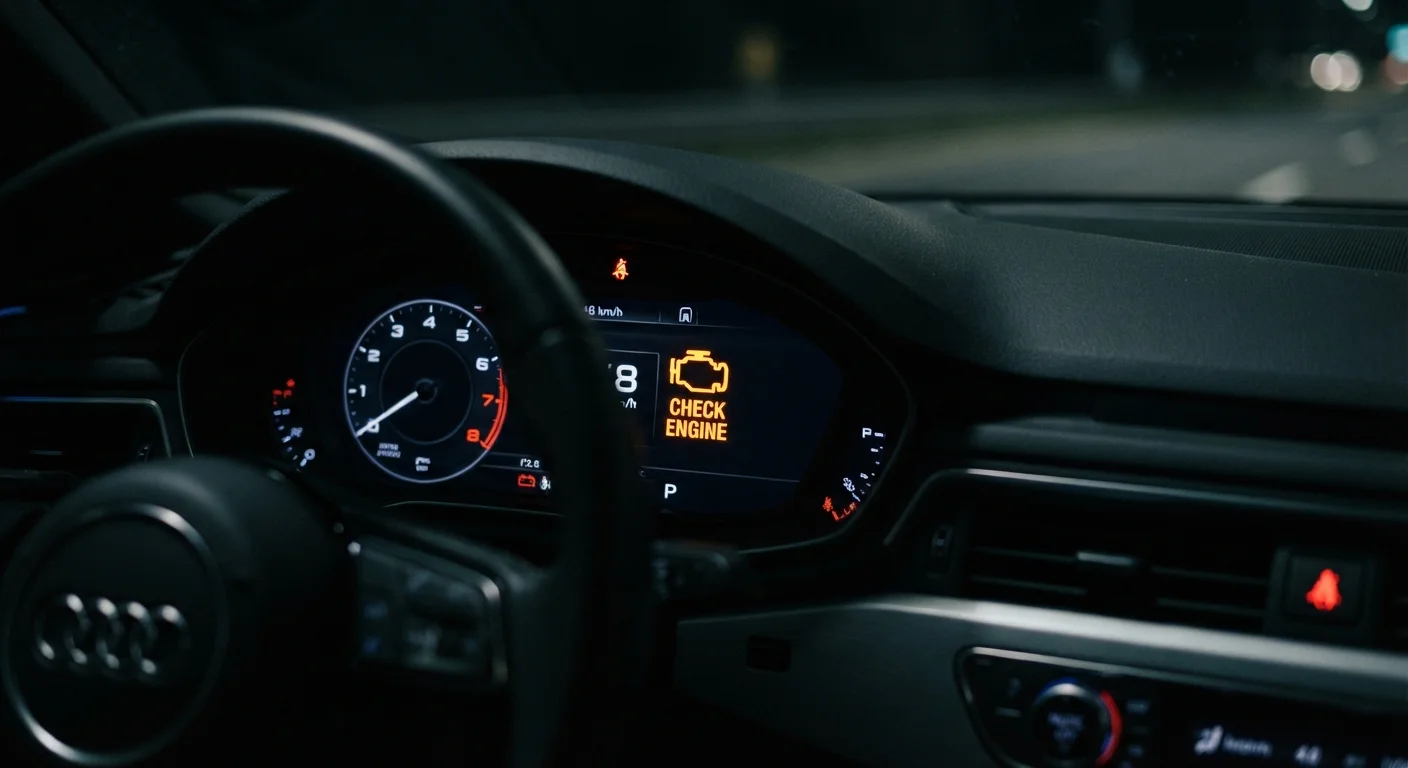
Photo: BridgeWish.com | Reliable Source Of Information editorial
Key Takeaways
- A flashing check engine light is an emergency signal - pull over safely and seek service promptly.
- Ignoring a steady check engine light can allow minor issues to escalate into major, expensive repairs.
- Reading the stored diagnostic code costs nothing at many auto parts stores and is a smart first step.
- A loose or missing gas cap is the single most common - and cheapest - trigger of the check engine light.
- Continued driving with an active check engine light can cause your vehicle to fail emissions testing.
What the Check Engine Light Is Actually Doing
Your vehicle's OBD-II system continuously monitors dozens of sensors - covering everything from the oxygen content of exhaust gases to the rotational speed of individual engine components. When a reading falls outside an acceptable range, the system logs a diagnostic trouble code and illuminates the check engine light on your dashboard.
Crucially, the light itself conveys almost no information beyond "something is wrong." The code stored behind it, however, tells a far more specific story. For a broader look at what every warning symbol on your dashboard means, see our dashboard warning lights quick-reference guide.
The difference between a steady and flashing light is critical. A steady light typically points to a fault that is not immediately damaging - though that can change the longer it's ignored. A flashing light usually means an active engine misfire, which can rapidly destroy a catalytic converter and lead to repair bills in the thousands.
Steady vs. Flashing: Know the Difference
Common Triggers: From the Trivial to the Serious
Not every check engine light signals impending mechanical disaster. Some of the most frequent causes are entirely mundane:
- Loose or missing gas cap - allows fuel vapor to escape, triggering an evaporative emissions fault. Tightening the cap often resolves it within a day or two of driving.
- Failing oxygen sensor - sensors wear out over time and can cause poor fuel economy and increased emissions if left unaddressed.
- Worn spark plugs or ignition coils - misfires are hard on both the engine and the catalytic converter.
- Catalytic converter failure - often a downstream consequence of ignoring earlier faults like misfires or a bad oxygen sensor.
- Mass airflow sensor fault - affects fuel delivery and can reduce power and efficiency.
The pattern here is important: several of the more expensive repairs on that list are frequently caused by allowing cheaper problems to go unaddressed. For a deeper look at how deferred maintenance inflates ownership costs, see financial missteps that make car ownership more expensive.
~$400
Average cost of oxygen sensor replacement
Oxygen sensor failure is one of the most common check engine light triggers in the US, according to data aggregated by automotive diagnostic platforms.
$1,000-$2,500
Typical catalytic converter replacement cost
Catalytic converter failure - often caused by prolonged misfires or ignored oxygen sensor faults - represents one of the most expensive downstream consequences of deferred maintenance.
Under $30
Cost of a replacement gas cap
The loose or faulty gas cap is consistently cited as one of the most frequent check engine light triggers, and fixing it is among the least expensive repairs in automotive maintenance.
How to Respond Without Panicking
The single most useful action you can take when the check engine light comes on is to retrieve the diagnostic code. Many national auto parts retailers offer free code reading in their parking lots - no appointment needed. The code, formatted as a letter followed by four digits (e.g., P0420), identifies the system involved and points toward the likely fault.
Get the Code Before Calling a Mechanic
Once you have the code, you can research it and have an informed conversation with a mechanic. If the car is running normally and the light is steady, scheduling a diagnostic appointment within a week is a reasonable response. If the light is flashing, or if you notice rough running, loss of power, or unusual smells, treat it as urgent and avoid highway driving until the vehicle has been assessed.
For more detail on what specific codes indicate and when it's safe to continue driving, our article on what your check engine light is actually telling you breaks down the most common scenarios.
The Real Cost of Waiting
Ignoring the check engine light is rarely a neutral decision. Beyond the mechanical risks, a vehicle with an active warning light will fail emissions inspections in most states that require them, which can prevent registration renewal. If you're buying a used car, an illuminated check engine light is also a meaningful red flag - one worth investigating through a pre-purchase inspection and a thorough vehicle history report.
The light exists because modern vehicles are complex enough that drivers cannot reasonably detect every developing fault through driving feel alone. Treating it as useful information - rather than an inconvenient dashboard nuisance - is one of the most straightforward ways to keep repair costs manageable and your vehicle on the road.
Frequently Asked Questions
The content on this site is for informational purposes only and is not a substitute for professional advice. Always consult a qualified professional for guidance specific to your situation.