
Car Fluids Every Driver Should Know: A No-Jargon Reference Guide

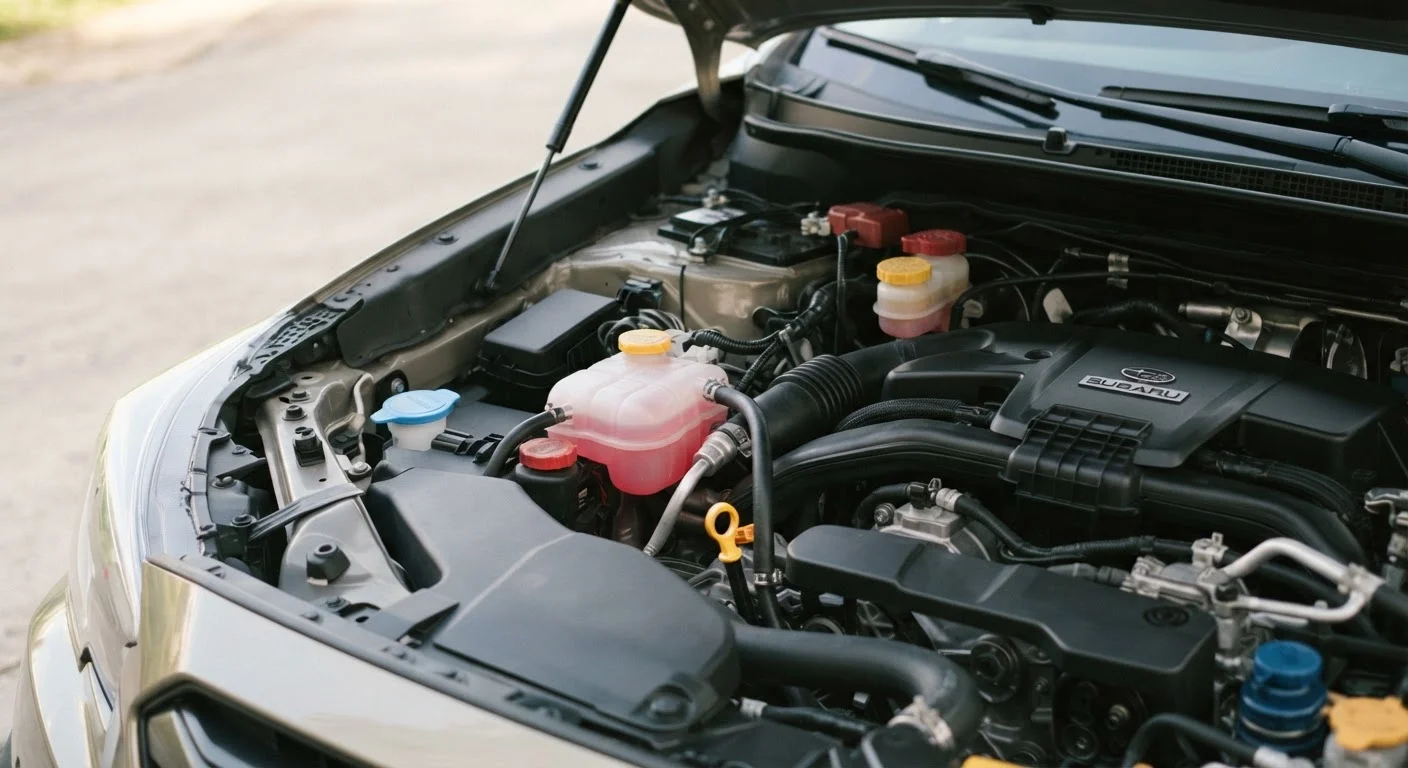
Photo: BridgeWish.com | Reliable Source Of Information editorial
Why Car Fluids Matter More Than Most Drivers Realize
Your car is essentially a system of controlled explosions, friction, and heat - and fluids are what keep all of that from destroying itself. Each fluid in your vehicle serves a specific job, and when one runs low, degrades, or leaks, the consequences can range from a rough ride to a complete mechanical failure. The good news: you don't need to be a mechanic to stay on top of them.
This guide covers the six fluids every driver should know - what each one does, where to find it, and what warning signs to watch for. For a broader maintenance framework, see the car ownership and maintenance overview.
| Number of essential vehicle fluids | 6 (oil, coolant, brake, transmission, power steering, washer fluid) |
| Engine oil check frequency | Monthly, or before long trips |
| Brake fluid characteristic | Hygroscopic - absorbs moisture over time, reducing effectiveness |
| Coolant check safety rule | Always check when engine is cold - never open a hot radiator cap |
| Transmission fluid color (healthy) | Translucent red |
| Coolant colors (varies by type) | Green, orange, or pink |
The Six Essential Fluids: What Each One Does
Engine Oil
Engine oil lubricates moving metal parts, reduces friction, and carries heat away from the engine. Without it, metal grinds against metal within seconds. Check it monthly using the dipstick - oil should appear amber to light brown and feel smooth between your fingers. Dark, gritty oil signals it's overdue for a change. A burning smell or blue exhaust smoke can indicate oil is leaking onto hot engine components.
Coolant (Antifreeze)
Coolant regulates engine temperature - preventing both overheating in summer and freezing in winter. It circulates between the engine and radiator through a closed loop. Healthy coolant is typically bright green, orange, or pink depending on type; a milky or rusty appearance suggests contamination or a failing head gasket, both of which need professional attention. Check coolant level only when the engine is cold. See seasonal car care guidance for when to flush your coolant.
Brake Fluid
Brake fluid transmits the force from your pedal through hydraulic lines to stop the vehicle. It's hygroscopic, meaning it absorbs moisture over time, which lowers its boiling point and reduces braking effectiveness. Fresh brake fluid is nearly clear or pale yellow; dark brown fluid is a reliable sign it needs changing. A soft or spongy brake pedal is a serious warning - have a qualified mechanic inspect the system promptly. Learn how your braking system works in Brakes 101.
Transmission Fluid
This fluid lubricates and cools the transmission, enabling smooth gear changes. In automatic transmissions, it also acts as a hydraulic fluid. Healthy transmission fluid is translucent red; dark, opaque, or burnt-smelling fluid indicates breakdown. Slipping gears, delayed engagement, or a whining sound are red flags. Many vehicles have a sealed transmission - consult your owner's manual before attempting to check this yourself.
Power Steering Fluid
Power steering fluid enables the hydraulic assist that makes turning your wheel effortless. A whining or groaning noise when you turn - especially at low speeds - often points to low or degraded fluid. Note: most newer vehicles use electric power steering and don't have this reservoir at all.
Windshield Washer Fluid
This is the one fluid that poses no mechanical risk if it runs out, but impaired visibility is a genuine safety concern. Never substitute water - it freezes in cold weather and won't cut road film effectively. Use a rated washer fluid appropriate for your climate.
Hygroscopic
A substance that absorbs moisture from the surrounding environment. Brake fluid is hygroscopic, which means it draws in water over time, lowering its boiling point and reducing braking performance.
Dipstick
A long metal rod inserted into the engine oil reservoir that allows you to check oil level and condition without opening the system. Pull it out, wipe it clean, reinsert, and read the level against the marked indicators.
Hydraulic fluid
Any fluid used to transmit force through a pressurized system. In vehicles, both brake fluid and power steering fluid operate on hydraulic principles - pressure applied at one end moves a component at the other.
Head gasket
A critical engine seal between the cylinder head and engine block. A failing head gasket can allow coolant and oil to mix, often producing milky or foamy fluid - a symptom that requires professional repair.
Closed-loop cooling system
A sealed coolant circuit that recirculates fluid between the engine and radiator. Because it's sealed, coolant loss - rather than normal consumption - usually indicates a leak or internal failure.
Spotting Leaks: What Puddles Under Your Car Mean
Finding a puddle beneath your parked car is one of the clearest signs something needs attention. Location, color, and consistency all help narrow down the source.
~40%
Engine failures linked to lubrication issues
Industry maintenance data consistently identifies inadequate lubrication - often due to low or degraded oil - as one of the leading causes of engine failure in passenger vehicles.
2 years
Typical brake fluid service interval
Many vehicle manufacturers recommend inspecting or replacing brake fluid every two years regardless of mileage, due to moisture absorption degrading its performance over time.
- Clear water near the front passenger area: Usually condensation from the air conditioning - normal and harmless.
- Light brown or black oily patch under the engine: Likely engine oil. Confirm with the dipstick.
- Bright green, orange, or pink puddle with a sweet smell: Coolant leak - do not ignore this. Overheating can occur quickly.
- Clear to pale fluid near a wheel: Could be brake fluid. This is a safety-critical leak requiring immediate professional inspection.
- Red or dark red oily patch: Transmission or power steering fluid.
If you're unsure what you're looking at, take a photo and have a qualified mechanic evaluate it. Fluid leaks rarely fix themselves, and early intervention is almost always less expensive than delayed repair. For hands-on fluid inspection steps, visit our guide to fluid checks you can do in your driveway. You can also use a seasonal maintenance checklist to stay ahead of fluid checks year-round. If a dashboard warning light comes on alongside any of these symptoms, consult the dashboard warning lights reference for guidance on urgency.
The content on this site is for informational purposes only and is not a substitute for professional advice. Always consult a qualified professional for guidance specific to your situation.