
Car Maintenance

The Seasonal Car Maintenance Checklist Every Driver Should Keep in the Glove Box

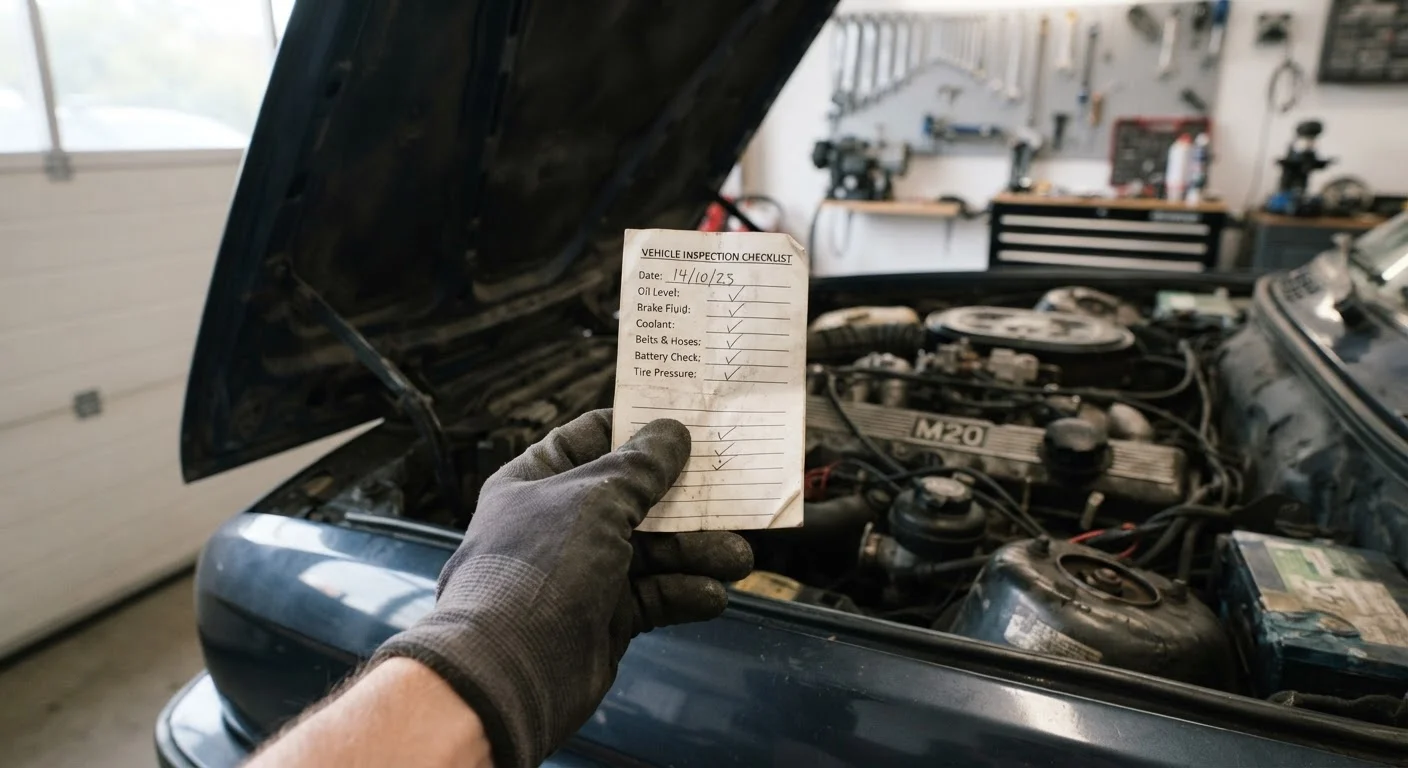
The Seasonal Car Maintenance Checklist Every Driver Should Keep in the Glove Box

Photo: BridgeWish.com | Reliable Source Of Information editorial

A practical, season-by-season checklist covering fluids, tires, brakes, and more to help you stay ahead of preventable breakdowns.

Key Takeaways

  • Seasonal inspections catch small issues before they become expensive repairs or roadside emergencies.
  • Tires, fluids, brakes, and battery are the four systems most affected by seasonal temperature swings.
  • Many checks take under five minutes and require no special tools beyond a flashlight.
  • Winter and summer demand the most preparation due to extreme thermal stress on key components.
  • A qualified mechanic should handle anything beyond a visual or basic measurement check.

Why Seasonal Checks Beat Reactive Repairs

Most vehicle breakdowns don't happen without warning — they happen because small, detectable problems went unaddressed. Temperature swings between seasons put real stress on rubber seals, battery chemistry, brake fluid, and tire pressure. A consistent seasonal rhythm keeps you ahead of that curve.

This checklist is organized by what changes as conditions change. It's not a substitute for your owner's manual schedule or a certified mechanic's inspection — it's a practical layer of awareness you can apply yourself. For a deeper dive into fluid maintenance specifically, see our fluid checks walkthrough covering everything from oil to brake fluid. And for a full picture of mileage-based and routine upkeep, the complete maintenance overview is worth bookmarking.

Fluids (All Seasons)

Check engine oil level and color using the dipstick — dark, gritty oil signals it's time for a change. Must
Inspect coolant (antifreeze) level in the reservoir and verify the mix ratio is appropriate for your climate. Must
Check brake fluid level in the master cylinder reservoir — low fluid can indicate worn brake pads or a leak. Must
Verify windshield washer fluid is full and rated for current temperatures (freeze-resistant in winter). Should
Inspect power steering fluid level if your vehicle has a hydraulic system rather than electric steering. Should

Tires

Measure tire pressure with a gauge and adjust to the PSI listed on the driver's door jamb sticker — not the tire sidewall. Must
Check tread depth using a quarter: if Washington's head is fully visible, tread is dangerously low. Must
Inspect tires visually for sidewall cracks, bulges, or uneven wear patterns that suggest alignment or suspension issues. Must
Rotate tires every 5,000–7,500 miles (or per your owner's manual) to promote even wear across all four. Should
Confirm your spare tire is inflated and that your jack and lug wrench are accessible and in working order. Should

Battery and Electrical

Inspect battery terminals for white or blue corrosion buildup — a wire brush can clear light deposits safely. Must
Have battery voltage tested at a shop or with a multimeter if the vehicle is more than three years old. Should
Test all exterior lights — headlights, taillights, brake lights, turn signals, and reverse lights — and replace any burned bulbs. Must

Brakes and Suspension

Listen for squealing or grinding when braking — these sounds often signal worn pads or rotor damage requiring professional attention. Must
Notice any pulling to one side when braking, which may indicate uneven pad wear or a sticking caliper. Must
Check shock absorbers and struts by pressing down firmly on each corner of the car — more than two bounces suggests wear. Should

Winter Preparation (Fall Checklist)

Switch to winter or all-season tires rated for temperatures below 45°F if you live in a snow or ice-prone region. Must
Test your heater, defroster (front and rear), and heated mirrors to ensure they function before cold weather arrives. Must
Stock an emergency kit: ice scraper, jumper cables, blanket, flashlight, and a small bag of sand or traction mats. Should
Verify wiper blades clear the windshield without streaking — consider switching to winter-rated blades in heavy-snow areas. Should

Summer Preparation (Spring Checklist)

Flush and refill coolant if it hasn't been changed within the interval specified in your owner's manual — overheating risk rises sharply in summer. Must
Test your air conditioning system by running it on max for five minutes and confirming it blows cold, not just ambient air. Should
Check the cabin air filter and replace it if clogged — a blocked filter reduces A/C efficiency and air quality inside the cabin. Nice to have
Inspect belts and hoses under the hood for cracking, fraying, or softness — heat accelerates rubber degradation. Should

Tools You'll Need to Run This Checklist

You don't need a professional garage setup to complete most of these checks. The items below cover the basics — keep them in or near your vehicle for quick access.

Required

Tire Pressure Gauge

Accurately measures PSI in each tire so you can inflate or deflate to the manufacturer's specification.

Required

Flashlight or Headlamp

Illuminates dark engine bay areas and under-vehicle spaces for visual inspections.

Optional

Multimeter or Battery Tester

Tests battery voltage to identify charge issues before cold or heat causes a no-start situation.

Required

Tread Depth Gauge or Quarter

Provides a quick, reliable measure of remaining tire tread without specialized equipment.

Optional

Mechanic's Gloves

Protect hands from fluids, sharp edges, and hot components during under-hood checks.

Don't Check Fluids on a Hot Engine

Always allow your vehicle to cool for at least 15–20 minutes before opening the coolant reservoir or checking oil. A pressurized hot cooling system can eject scalding fluid if opened. Engine oil readings are also more accurate on a cool, level surface.

How to Use This Checklist Throughout the Year

Run the full checklist at the start of each season — four times per year. If you live in a region with mild winters or dry summers, you can adjust frequency, but never skip more than one cycle. Mark each item as you go and note anything that looks borderline — that note becomes your agenda for your next mechanic visit.

For season-specific guidance on what your car needs as temperatures shift, the seasonal car care guide expands on each transition in detail. Safe vehicle operation also depends on the habits you build on the road — explore our safe driving resources for practical guidance beyond the garage.

Know What Belongs in a Shop

This checklist covers inspections you can perform visually or with basic tools. Brake repairs, suspension work, coolant system flushes, and electrical diagnostics should be performed by a qualified mechanic. If any inspection reveals a problem — not just a borderline reading — stop driving until a professional has assessed it. Your safety depends on acting on what you find, not just noting it.

For a comprehensive reference tying together everything in this checklist and more, see car ownership and maintenance: everything you need. Understanding what each fluid does — and what warning signs look like — is also covered in our no-jargon car fluids reference guide.

Autos Editorial Team

BridgeWish.com | Reliable Source Of Information

Autos Editorial Team is the collective byline for our editorial team and contributor network. Articles published under this byline or an editorial pen name are researched, written, and reviewed according to our editorial standards for clarity, consistency, and independence before publication.

Car MaintenanceBuying & OwningSafe Driving
View author profile

The content on this site is for informational purposes only and is not a substitute for professional advice. Always consult a qualified professional for guidance specific to your situation.