
Car Maintenance from Oil to Timing Belts: The Complete Overview

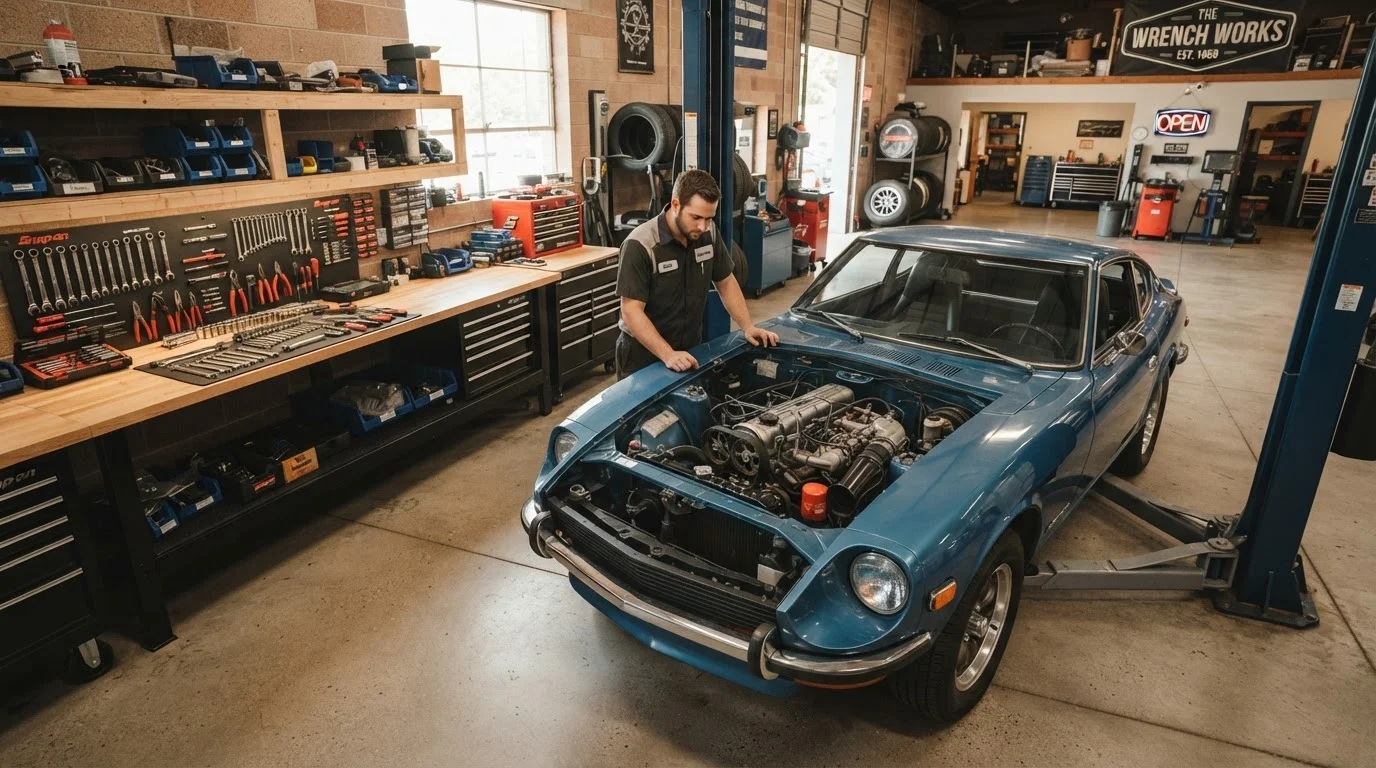
Photo: BridgeWish.com | Reliable Source Of Information editorial
Key Takeaways
- Regular oil changes remain the single most impactful routine task for engine longevity.
- Timing belt failure can cause catastrophic engine damage - know your vehicle's replacement interval.
- Fluids, filters, tires, and brakes form an interconnected system; neglecting one affects the others.
- Your owner's manual is the most authoritative maintenance reference for your specific vehicle.
- Seasonal prep and mileage-based services follow different schedules - both require attention.
Why Proactive Maintenance Matters
Most major vehicle failures don't happen without warning - they happen because early warnings were ignored or maintenance was deferred. Proactive upkeep keeps small issues from compounding into expensive repairs, preserves fuel efficiency, and directly supports on-road safety.
For a foundational overview of what modern car ownership actually involves, see our guide on car ownership for beginners. This article takes a broader, category-by-category look - from the most routine tasks to the major mileage-based services every driver should understand.
“Deferred maintenance is really just prepaid repair - every mile you go past a service interval is a mile closer to a larger, more expensive problem.”
— ASE Master Technician, Automotive Service Excellence (ASE) Certified Master Technician
Oil Changes: The Foundation of Engine Health
Engine oil lubricates hundreds of moving metal parts, reduces friction-generated heat, and carries debris away from critical surfaces. As oil ages, it breaks down and loses viscosity - meaning it protects less effectively. An oil change replaces degraded oil and the filter that traps contaminants.
Conventional oil is generally changed every 3,000-5,000 miles, while full synthetic formulations often extend that interval to 7,500-10,000 miles or more - depending on manufacturer specifications. Ignore the generic sticker; follow your owner's manual.
Check your oil level with the dipstick every time you fill up with gas - don't wait for the warning light. Low oil pressure can cause serious engine damage before a dashboard alert ever triggers.
When in doubt about a maintenance interval, default to your owner's manual over the generic sticker a quick-lube shop puts on your windshield - manufacturer specs are engineered for your specific engine.
~$1,200
Average cost of engine damage from neglected oil changes
Industry estimates from ASE-certified mechanics suggest deferred oil changes are among the most common causes of preventable engine wear.
60,000-100,000 mi
Typical timing belt replacement interval
Manufacturer intervals vary widely; always confirm your vehicle's specific schedule in the owner's manual.
1 in 4
Vehicles on U.S. roads with underinflated tires
According to NHTSA data, underinflation is one of the most common - and easily corrected - tire safety issues.
Fluids Beyond Oil: What Else Needs Attention
A modern vehicle depends on multiple fluid systems, each with its own degradation timeline:
- Coolant (antifreeze): Regulates engine temperature and prevents corrosion inside the cooling system. Typically flushed every 30,000-50,000 miles.
- Brake fluid: Hydraulic fluid that transmits braking force. It absorbs moisture over time, which lowers its boiling point and reduces braking effectiveness.
- Transmission fluid: Lubricates and cools the transmission. Automatic and manual transmissions have different fluid types and change intervals.
- Power steering fluid: Keeps steering responsive; low or contaminated fluid can cause pump damage.
- Windshield washer fluid: The only fluid you can safely top off yourself without any mechanical knowledge.
For a structured look at service intervals across all fluid categories, our article on your car's maintenance schedule breaks down what your owner's manual is actually telling you.
Keep a Simple Maintenance Log
Tires, Brakes, and Suspension
These three systems form your vehicle's contact with the road - and they deteriorate together.
Tires
Check tire pressure monthly; underinflation causes uneven wear, reduces fuel economy, and increases blowout risk. Tread depth should be checked with a tread-depth gauge - the penny test (Lincoln's head visible = worn tires) is a rough minimum, not an ideal threshold. Rotate tires every 5,000-7,500 miles to equalize wear patterns.
Brakes
Brake pads typically last 30,000-70,000 miles depending on driving style and conditions. Squealing indicates worn pads; grinding usually means metal-on-metal contact - a safety issue requiring immediate attention. Brake rotors may be resurfaced or replaced depending on their condition and thickness.
Suspension and Steering
Shocks and struts dampen road vibration and maintain tire contact. Worn suspension affects handling, braking distance, and tire wear. If your vehicle pulls to one side or the steering wheel vibrates at highway speeds, suspension or alignment issues are common causes.
Timing Belts and Major Interval Services
The timing belt (or chain) synchronizes the crankshaft and camshaft, ensuring valves open and close in precise coordination with pistons. It is one of the most consequential components in an interference engine - a category that includes most modern passenger vehicles.
Never Ignore a Timing Belt Warning
Timing Belt vs. Timing Chain
Beyond the timing belt, high-mileage service intervals (typically 60,000 and 90,000+ miles) often include spark plug replacement, air and cabin filter changes, serpentine belt inspection, and differential fluid service on applicable vehicles. These are not arbitrary upsells - they reflect manufacturer-engineered wear expectations.
Drivers who've recently purchased a used vehicle may be uncertain about service history. Our overview of overlooked maintenance tasks covers the items most commonly missed when ownership changes hands.
Seasonal and Situational Checks
Some maintenance tasks are calendar-driven rather than mileage-driven:
- Winter prep: Test battery load capacity (cold temperatures reduce battery output significantly), inspect wiper blades, switch to winter tires if applicable, and check antifreeze concentration.
- Summer prep: Inspect cooling system hoses and clamps, verify AC refrigerant levels are adequate, and check tire pressure more frequently as heat increases inflation.
- After long storage: Check tire condition and pressure, inspect brakes for surface rust, verify all fluid levels, and test the battery before relying on it.
For road safety implications of neglected seasonal prep - particularly in extreme weather - our safe driving resource hub provides context on how vehicle condition intersects with on-road risk.
Reading Warning Signs Before They Become Repairs
Dashboard warning lights, unusual sounds, and changes in vehicle behavior are your car's communication system. Common signals worth knowing:
- Check Engine light: Can indicate anything from a loose gas cap to a misfiring cylinder. Don't ignore it - have the OBD-II (onboard diagnostic) code read at a shop or with a personal scanner.
- Oil pressure warning: Pull over safely and stop driving. Continuing with low oil pressure risks immediate engine damage.
- Brake warning light: Check fluid level first; if fluid is adequate, a mechanical inspection is warranted immediately.
- Temperature gauge in the red: Engine overheating. Stop driving, let the engine cool, and investigate before continuing.
Always Consult Your Owner's Manual First
For a comprehensive treatment of fluid checks, brake systems, and when to escalate to a professional, see our full resource on keeping your vehicle road-ready.
This article provides general automotive maintenance information for educational purposes. Service intervals and specifications vary by vehicle make, model, and year - always consult your owner's manual or a qualified mechanic for guidance specific to your vehicle.
The content on this site is for informational purposes only and is not a substitute for professional advice. Always consult a qualified professional for guidance specific to your situation.