
Fluid Checks Every Driver Should Know How to Do

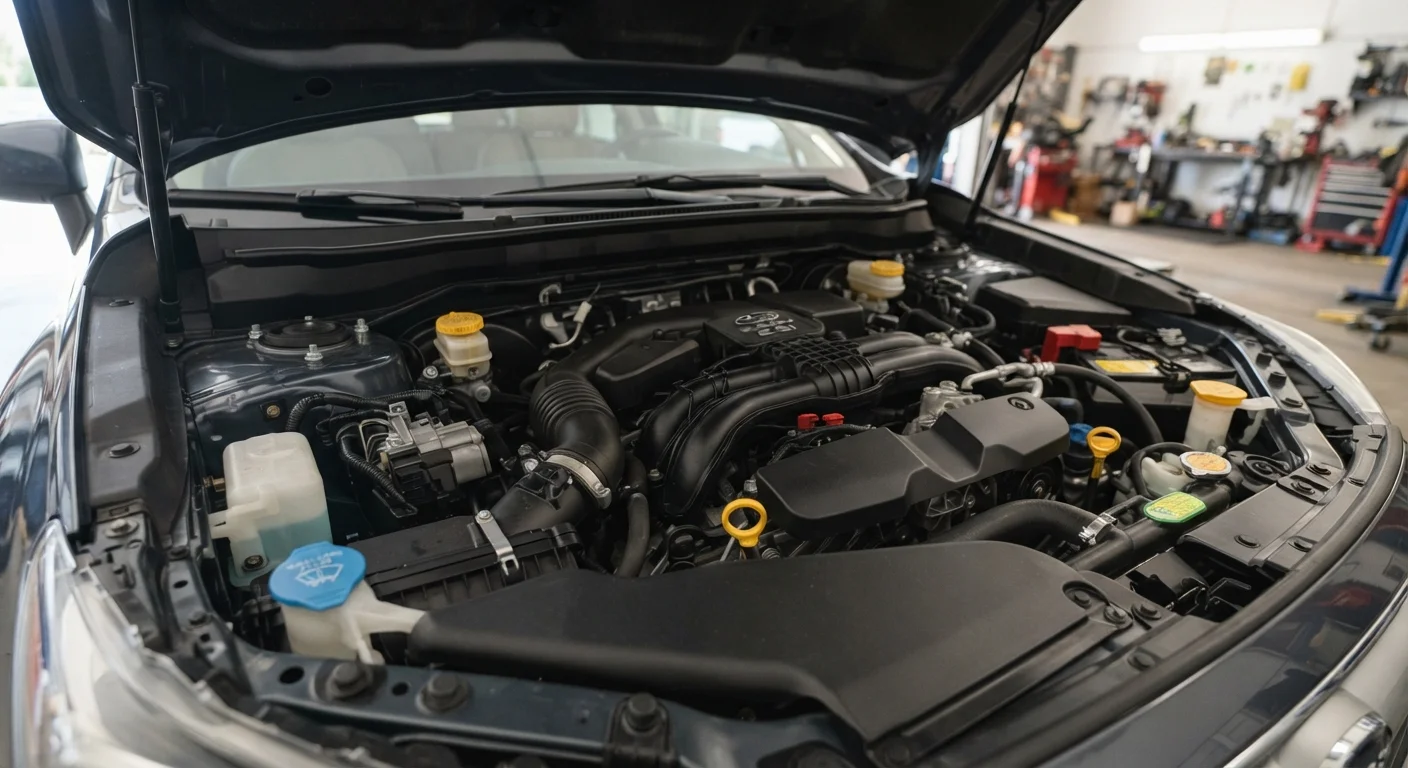
Photo: BridgeWish.com | Reliable Source Of Information editorial
Key Takeaways
- Always check fluids with the engine cold and the vehicle parked on level ground for accurate readings.
- Engine oil, coolant, brake fluid, power steering fluid, and washer fluid each have dedicated reservoirs or dipsticks.
- Color and smell are as important as level - dark, burnt, or milky fluids signal a problem beyond a simple top-up.
- Consistently low fluid levels often indicate a leak or internal issue that a qualified mechanic should diagnose.
- Regular fluid checks - every month or before long trips - are one of the lowest-cost ways to prevent major repairs.
Why Regular Fluid Checks Matter
Your vehicle relies on a network of fluids to lubricate moving parts, regulate temperature, transmit force, and maintain visibility. When any one of these drops too low or degrades, the consequences can range from accelerated component wear to outright mechanical failure - often at the worst possible moment. The good news: checking these fluids takes less than 20 minutes, costs nothing, and requires no mechanical training.
Fluid checks are a core part of responsible car ownership. They pair naturally with the broader maintenance habits covered in our complete vehicle maintenance guide, and they're a smart addition to any pre-trip safety walkthrough before a long drive.
What you will need
With your tools gathered and your engine cool, you're ready to work through each check systematically.
Lint-free rag or paper towel
Wipe dipsticks clean before taking an accurate fluid reading.
Flashlight or phone torch
Illuminate the engine bay for clear visibility of reservoirs and fluid colors.
Vehicle owner's manual
Identify correct fluid types, reservoir locations, and manufacturer-specified intervals.
Nitrile gloves
Protect hands from engine oil, coolant, and brake fluid during checks.
Step-by-Step Fluid Checks
Work through each fluid in order. If you find a level that's consistently low week over week, don't just keep topping it off - persistent low levels almost always indicate a leak or internal issue that a mechanic should diagnose. For deeper context on how brake hydraulics work, see our Brakes 101 explainer.
Open the hood and secure it
Pull the interior hood release lever (usually located beneath the dashboard on the driver's side), then release the safety latch at the front of the hood. Prop the hood open using the hood rod or, on vehicles with gas-assisted struts, confirm it locks in place before reaching into the engine bay.
Check engine oil level and condition
Locate the engine oil dipstick - it typically has a brightly colored ring handle labeled with an oil can icon. Pull it out, wipe it clean with your rag, reinsert it fully, then pull it out again. The oil level should fall between the minimum and maximum markings. Equally important: examine the oil on the rag. Healthy oil is amber to light brown. Oil that is nearly black, gritty, or smells burnt indicates it's overdue for a change. Milky or foamy oil can suggest coolant contamination - a condition requiring immediate professional attention.
Inspect the coolant (antifreeze) level
Do not touch the radiator cap. Instead, locate the translucent plastic coolant overflow reservoir - usually marked with a thermometer or wave icon. With the engine cold, the level should sit between the MIN and MAX lines molded into the side of the reservoir. Coolant should be brightly colored (green, orange, pink, or blue depending on type) and free of debris. Brown, rusty, or oily-looking coolant signals contamination and needs professional evaluation.
Check brake fluid level
The brake fluid reservoir is a small, translucent plastic container typically located near the firewall on the driver's side, atop the brake master cylinder. Fluid level should be between the MIN and MAX lines - you can usually read this through the reservoir wall without removing the cap. Brake fluid should be clear to light yellow. Dark brown fluid has degraded and absorbed moisture, reducing braking effectiveness; schedule a flush with a qualified mechanic.
Check power steering fluid (if applicable)
Many newer vehicles use electric power steering and have no fluid reservoir - confirm with your owner's manual. On vehicles with hydraulic power steering, locate the reservoir (often labeled with a steering wheel icon) and check the level using either the dipstick attached to the cap or the MIN/MAX markings on the reservoir wall. Fluid should be clear, pink, or light amber. Dark, foamy, or burnt-smelling fluid warrants a professional inspection. A consistently low level suggests a leak in the system.
Top up windshield washer fluid
The washer fluid reservoir is typically the easiest to find and the safest to fill - it's usually a dark plastic tank with a windshield-and-spray icon. Remove the cap and fill to the neck with premixed washer fluid rated for your climate. Never substitute plain water, as it can freeze in cold temperatures and does not clean as effectively. This is the only fluid you should top off without consulting your owner's manual first.
Low Brake Fluid May Signal Worn Pads
Never Open a Hot Coolant Reservoir
Keep a Clean Rag and Flashlight in Your Car
Once you've completed all checks, lower the hood until it latches securely. A hood that isn't fully latched can fly open at highway speed - always confirm with a firm press and a tug.
Make fluid checks a monthly habit or integrate them into your seasonal maintenance checklist. Consistent attention to what's under the hood is one of the most practical ways to extend your vehicle's life and stay safe on the road. For a full pre-drive routine, see pre-drive vehicle checks every driver should know.
The content on this site is for informational purposes only and is not a substitute for professional advice. Always consult a qualified professional for guidance specific to your situation.