
Why Tailgating Is More Dangerous Than Most Drivers Realize

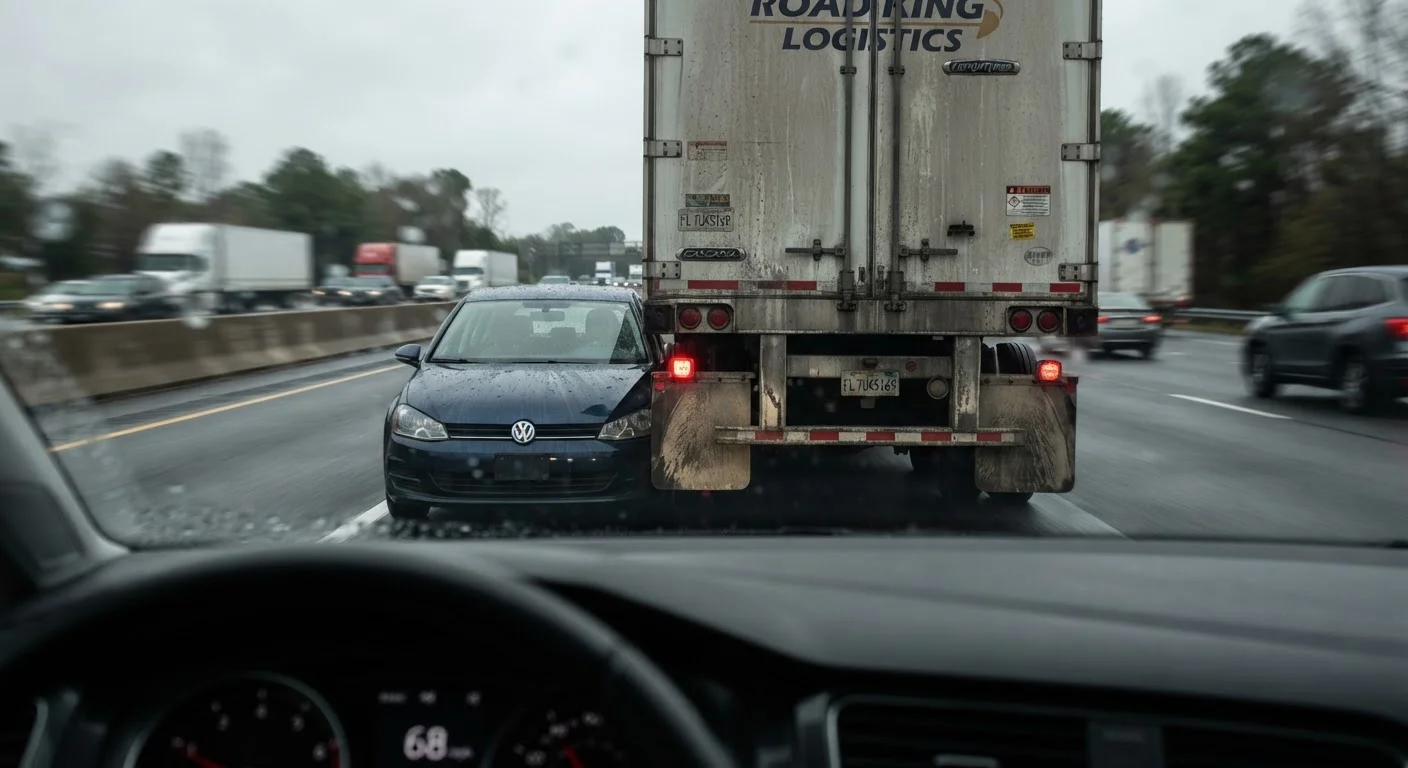
Photo: BridgeWish.com | Reliable Source Of Information editorial
Key Takeaways
- At 65 mph, a car needs roughly 300 feet to stop - tailgating eliminates that margin entirely.
- Most drivers underestimate how much reaction time and braking distance they actually need.
- The three-second following rule is the minimum safe gap under ideal road conditions.
- Tailgating is a factor in roughly one-third of all rear-end crashes in the US.
- Aggressive following often escalates to road rage, compounding the danger for everyone involved.
The Physics Behind Why Tailgating Kills
Tailgating feels routine to millions of drivers - a minor impatience, not a genuine hazard. The numbers tell a different story. At highway speeds, stopping a vehicle requires a combination of reaction distance (the distance traveled before your foot even hits the brake) and braking distance (the distance needed once braking begins). At 65 mph, that combined stopping distance can exceed 300 feet under normal conditions - roughly the length of a football field.
When you follow the car ahead at one or two car lengths, you've already consumed that buffer before your brain has registered a threat. Physics doesn't negotiate. If the vehicle in front brakes suddenly, you will collide - not because you weren't paying attention, but because the laws of motion left you no alternative.
Wet or icy pavement multiplies this problem dramatically. Braking distances can double or triple on slick roads, yet many drivers maintain the same following distance they use on dry asphalt. Understanding these fundamentals is essential - and it's just one part of the broader picture of traffic laws and habits drivers routinely underestimate. See traffic laws drivers routinely misunderstand for more context on the rules that govern safe spacing and speed.
~29%
Of all US traffic crashes involve rear-end collisions
According to the National Highway Traffic Safety Administration (NHTSA), rear-end crashes are among the most common crash types on American roads, and following-too-closely is a primary contributing factor.
300+ ft
Stopping distance needed at 65 mph
Under normal dry-road conditions, a typical passenger vehicle traveling at 65 mph requires over 300 feet to come to a complete stop, combining both reaction time and braking distance.
Common Tailgating Mistakes and How to Avoid Them
Understanding the physics is only half the equation. Drivers also need to recognize the behavioral patterns that lead them to follow too closely in the first place - and correct them before they become habits.
Assuming your reaction time is faster than it actually is.
Maintaining highway following distances in urban stop-and-go traffic.
Following large vehicles - trucks, SUVs, buses - at the same distance as smaller cars.
Using the bumper of the car ahead as a visual reference instead of a fixed road landmark.
Tailgating in the passing lane to pressure slower drivers to move over.
Wet and Icy Roads Change Everything
When Tailgating Triggers Something Worse
Beyond the crash risk, tailgating frequently ignites road rage. A driver who feels pressured from behind may brake-check, slow down deliberately, or respond aggressively - turning a bad following distance into a confrontation neither party can easily exit. Road rage escalates quickly and unpredictably, and the driver who initiated the tailgating often shares legal and moral responsibility for what follows.
Darkness adds another layer of danger. Reduced visibility at night means even experienced drivers misjudge gaps and closing speeds. Night driving carries risks most people underestimate, and following too closely after dark eliminates almost any chance of a safe response to a sudden stop ahead.
The practical fix is straightforward: use the three-second rule as your baseline. Pick a fixed object on the road - a sign or overpass - and count the seconds between when the car ahead passes it and when you do. If you reach three before finishing your count, you're too close. Extend to four or five seconds in rain, fog, or heavy traffic. This single habit, consistently applied, is one of the most effective safety adjustments any driver can make.
This article is for general informational and educational purposes only. Always obey posted traffic laws and consult official driver's manuals or law enforcement guidance for rules specific to your state.
The content on this site is for informational purposes only and is not a substitute for professional advice. Always consult a qualified professional for guidance specific to your situation.