
Road Rage: What Triggers It, How It Escalates, and How to Stay Out of It

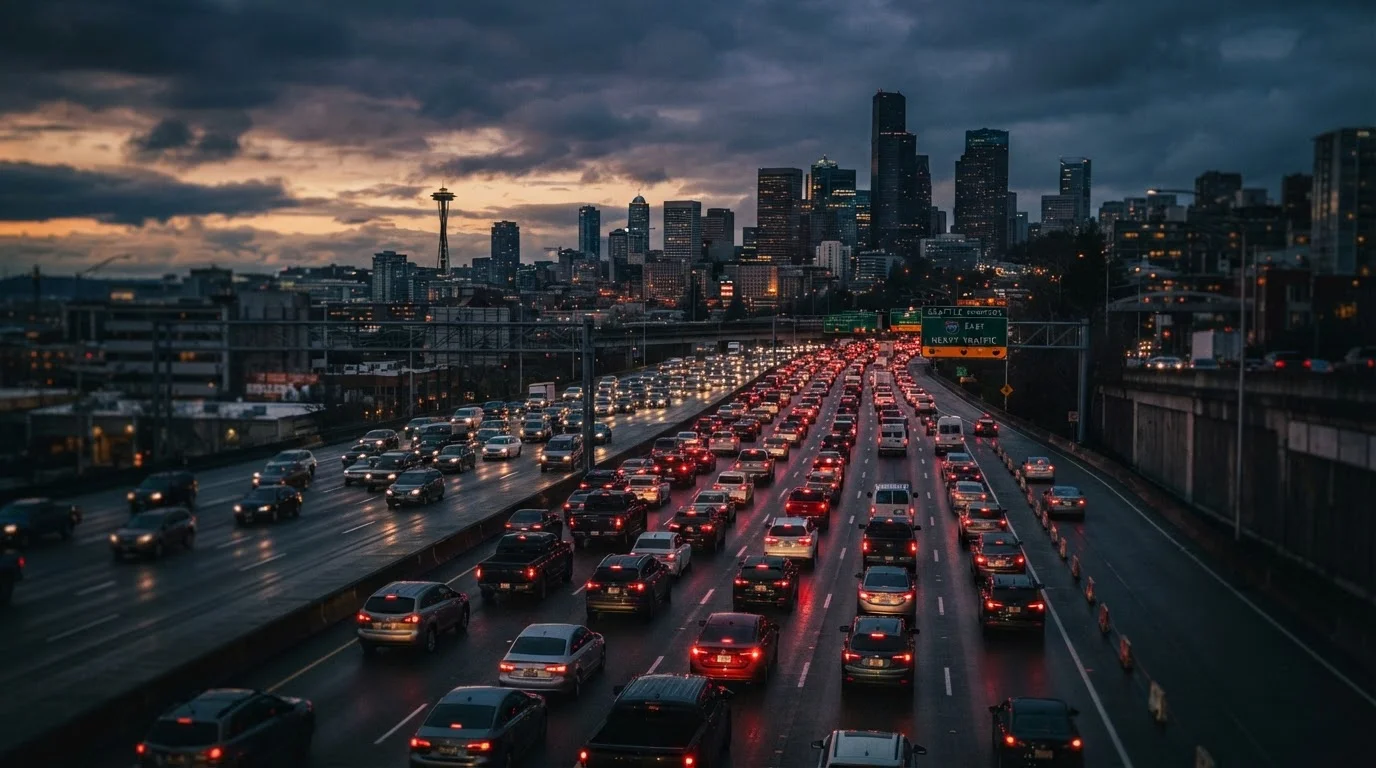
Photo: BridgeWish.com | Reliable Source Of Information editorial
Key Takeaways
- Road rage is triggered by a combination of stress, anonymity, and perceived disrespect from other drivers.
- Aggressive driving escalates quickly and is a contributing factor in thousands of crashes annually.
- Avoiding eye contact and refusing to retaliate are among the most effective de-escalation tactics.
- Your own emotional state before you get in the car significantly affects how you respond to other drivers.
- If threatened by another driver, driving to a public place or police station is safer than stopping.
What Actually Triggers Road Rage
Road rage rarely appears out of nowhere. It typically builds from a combination of environmental stressors and deeply personal emotional states. Researchers in traffic psychology point to several recurring triggers:
- Perceived disrespect: Being cut off, tailgated, or ignored when merging registers as a personal affront to many drivers - even when the other driver's intent was neutral or simply inattentive.
- Time pressure: Running late amplifies frustration with every red light and slow driver. The car becomes a pressure cooker.
- Anonymity: The physical and psychological separation inside a vehicle lowers social inhibitions. Drivers are less likely to confront strangers face-to-face than they would be in a store or office.
- Pre-existing stress: Work pressure, relationship conflict, and poor sleep all lower emotional tolerance before a driver even turns the key.
- Heat: Studies in environmental psychology have consistently found correlations between higher ambient temperatures and more aggressive behavior, including behind the wheel.
Understanding these triggers matters because the driving environment itself hasn't done anything wrong - your response to it is the variable you can actually control.
Aggressive Driving vs. Road Rage: A Legal Distinction
How Road Rage Escalates
Most road rage incidents follow a predictable escalation pattern. One driver perceives a slight - real or imagined. They react: a horn honk, a gesture, or aggressive positioning. The other driver, now feeling threatened or disrespected, responds in kind. Each exchange raises the stakes.
What began as a minor lane dispute can escalate to:
- Tailgating and flashing headlights
- Aggressive lane changes intended to intimidate
- Shouting and gesturing through windows
- Brake-checking or deliberate blocking
- Following another driver, stopping, and confrontation
- Physical assault or use of a vehicle as a weapon
The critical insight is that each response invites a counter-response. Drivers who disengage at step one avoid the entire chain. Those who match aggression with aggression accelerate toward the most dangerous outcomes. Reading traffic before problems develop can help you recognize an escalating situation early enough to exit it safely.
80%
Drivers who report aggressive driving annually
According to AAA Foundation for Traffic Safety research, roughly 80% of drivers surveyed reported experiencing significant anger, aggression, or road rage while driving in the prior year.
56%
Aggressive driving incidents involving a firearm
Everytown for Gun Safety analysis found that over half of road rage incidents tracked in their research involved a firearm, underscoring the potential for fatal outcomes.
30+
Deaths attributed to road rage annually
Traffic safety researchers estimate that dozens of fatalities occur each year in the U.S. as a direct result of road rage incidents, separate from broader aggressive driving crash statistics.
How to Stay Out of It - Before and During
Avoiding road rage involves two distinct strategies: managing your own emotional state before you drive, and responding correctly when another driver becomes aggressive toward you.
Before You Drive
- Build in extra travel time so lateness doesn't fuel frustration.
- Avoid driving when you're sleep-deprived, emotionally activated, or rushing.
- Use music or audio content that keeps your mood steady, not amped up.
- Acknowledge that other drivers make mistakes - just as you do.
When Another Driver Escalates
- Don't engage. Avoid eye contact, gestures, or retaliatory maneuvers. Engaging signals that you're a willing participant in the conflict.
- Create distance. Slow down, change lanes, or take an exit to put space between you and an aggressive driver.
- Don't stop. If you're followed, drive to a populated area or police station. Call 911 if the situation feels dangerous.
- Let the small stuff go. Someone cutting you off is not worth a confrontation that could end in injury or arrest - for either of you.
Defensive driving principles overlap heavily with road rage prevention: both require anticipating the behavior of other drivers and responding with calm, deliberate decisions rather than reactive ones.
Your Commute Mindset Matters
The Real Cost of Road Rage
Road rage is not a victimless overreaction. The consequences fall into several categories:
Physical Safety
Aggressive driving behaviors - speeding, tailgating, sudden lane changes - dramatically increase crash risk for everyone on the road, including bystanders and passengers who had no role in the conflict.
Legal Consequences
Depending on the actions involved, road rage incidents can result in reckless driving citations, license suspension, civil lawsuits, and in serious cases, felony criminal charges. A moment of anger can follow a driver for years.
Psychological Impact
Being the target of road rage is a distressing experience. Victims frequently report anxiety, hypervigilance, and reluctance to drive - particularly on routes where the incident occurred.
Framing road rage correctly - not as a personality quirk but as a genuine public safety issue - is the first step toward taking it seriously. For a broader framework on keeping yourself and others safe, see our guide on defensive driving techniques that apply in real traffic conditions every day.
Frequently Asked Questions
The content on this site is for informational purposes only and is not a substitute for professional advice. Always consult a qualified professional for guidance specific to your situation.