
Defensive Driving: What It Actually Means and How to Practice It

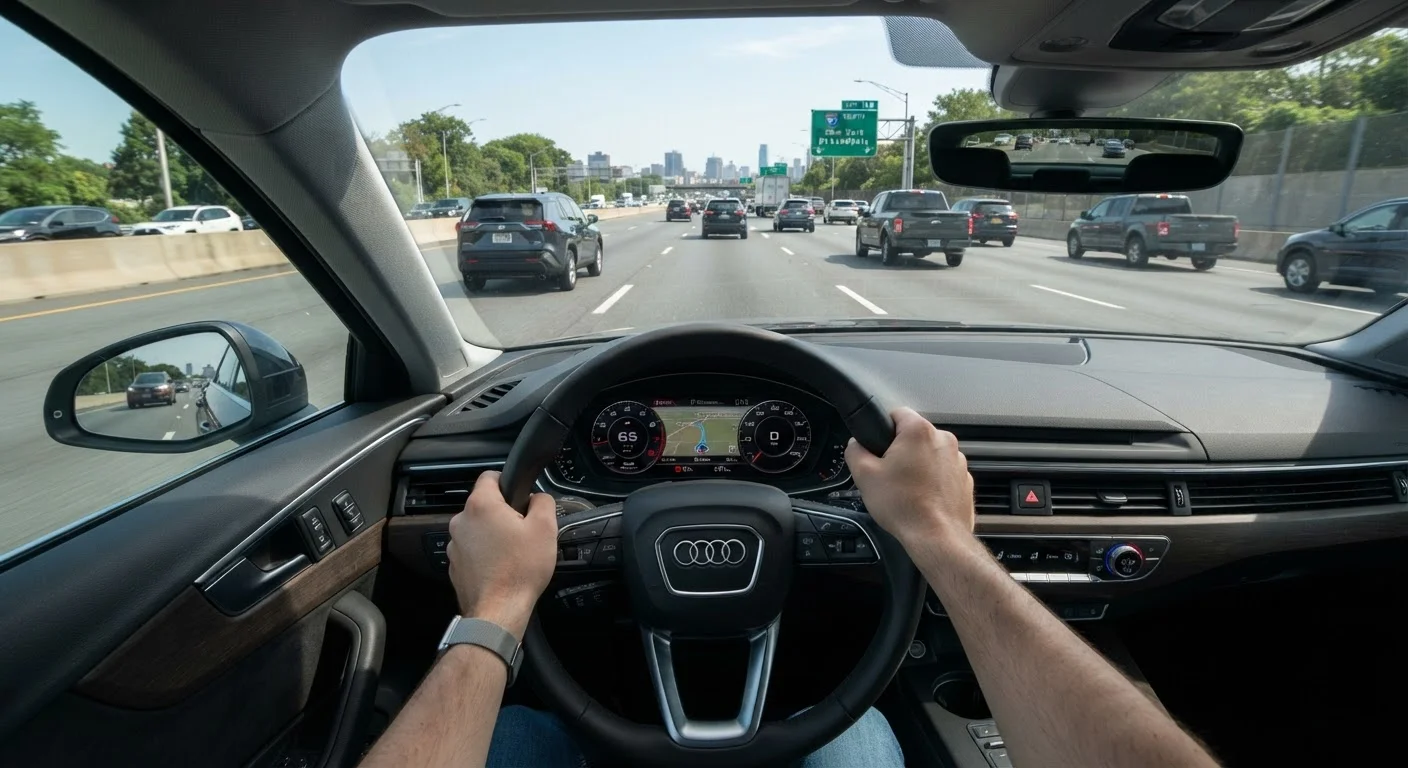
Photo: BridgeWish.com | Reliable Source Of Information editorial
Key Takeaways
- Defensive driving is a proactive mindset, not just obedience to traffic laws.
- Anticipating other drivers' errors is the single most important defensive skill.
- Maintaining adequate following distance gives you time and space to react safely.
- Scanning far ahead and checking mirrors regularly reduces surprise encounters.
- Eliminating distractions and managing emotions are non-negotiable components.
- Formal defensive driving courses can reinforce habits and may reduce insurance costs.
What Defensive Driving Actually Means
Defensive driving is often described as "driving to save lives, time, and money, despite the conditions around you" - a definition used widely in driver education. But the phrase gets misused. It doesn't simply mean driving slowly or being timid. It means taking deliberate control of your risk exposure rather than reacting to problems after they've arrived.
At its core, defensive driving accepts a basic reality: you cannot control other drivers. What you can control is your own position, speed, attention, and decision-making. A defensive driver operates on the assumption that other road users will make mistakes - and plans accordingly.
This mindset is distinct from aggressive driving, where a driver tries to dominate traffic, or passive driving, where someone simply follows the car ahead without independent thought. Defensive driving is active and deliberate at every moment.
Following distance
The space between your vehicle and the one directly ahead of you. More space means more time to react if that vehicle brakes suddenly.
SIPDE method
A structured mental process used in driver education: Scan, Identify, Predict, Decide, Execute. It helps drivers process hazards systematically rather than reactively.
Cognitive distraction
Mental distraction that pulls your attention away from driving, even when your eyes are on the road - such as thinking through a phone conversation.
Hazard perception
The ability to spot developing risks - a merging truck, a child near the roadway - before they require an emergency response.
Situational awareness
A continuous awareness of what's happening around your vehicle: traffic flow, road conditions, driver behavior, and escape routes.
The Core Principles Behind the Mindset
Several interconnected principles form the backbone of defensive driving:
- Expect the unexpected. Merge lanes narrow. Pedestrians step off curbs. Drivers run red lights. Building this expectation into every trip keeps you mentally prepared rather than surprised.
- Maintain a safety cushion. Space equals time. The more distance between your vehicle and the one ahead, the more seconds you have to brake, steer, or respond. Understanding stopping distances and speed shows exactly why this matters at higher speeds.
- Scan continuously. Good drivers don't stare at the bumper in front of them. They look far down the road, check mirrors every five to eight seconds, and monitor blind spots before changing lanes. This is the foundation of situational awareness on the road.
- Communicate clearly. Use turn signals early, make eye contact at intersections when possible, and avoid sitting in other drivers' blind spots. Clear communication reduces ambiguity for everyone.
Practice the Smith System
Practical Habits You Can Build Today
Defensive driving isn't a certificate you earn once - it's a set of habits practiced on every trip. Here are the most high-impact ones:
- The three-second rule
- Under normal conditions, maintain at least three seconds of following distance. In rain, fog, or heavy traffic, extend that to six seconds or more.
- The SIPDE method
- Scan, Identify hazards, Predict likely actions, Decide on a response, Execute. This mental loop, common in formal driver education, structures how you process the road ahead.
- Lane positioning
- On multi-lane roads, choose the lane that gives you the most escape routes and visibility - not necessarily the fastest lane. On the highway, avoid clustering with other vehicles when space allows.
- Phone-free driving
- Cognitive distraction - thinking about a conversation - degrades driving performance even when hands are on the wheel. Keep the phone out of reach.
- Manage emotional state
- Frustration and impatience increase risk-taking. If another driver behaves aggressively, disengage rather than respond. Understanding what drives road rage and how to respond can help you stay calm when it matters most.
Common Mistakes That Undermine Defensive Driving
Even drivers who understand defensive driving concepts can undermine themselves with a few persistent habits:
- Overconfidence in experience. Years behind the wheel can breed complacency. Familiarity with a route doesn't mean hazards won't appear.
- Neglecting vehicle condition. Bald tires, worn brake pads, and burned-out headlights eliminate the mechanical margin you depend on in emergencies. Routine car maintenance is part of being a defensive driver.
- Following GPS blindly. Navigation apps reroute based on data, not live road conditions. Keep your eyes on the road, not the screen.
- Driving while fatigued. Drowsy driving impairs reaction time comparably to alcohol intoxication. If you're struggling to stay alert, pull over safely.
Fatigue Is a Silent Hazard
When Defensive Driving Courses Make Sense
Formal defensive driving courses - offered in-person and online - go beyond what most drivers learned during initial licensing. They typically cover hazard recognition, vehicle dynamics, emergency maneuvers, and risk psychology. Common reasons to enroll include:
- Satisfying a court requirement after a traffic violation
- Qualifying for an insurance discount (verify with your insurer first)
- Refreshing skills after a long break from driving
- Building confidence as a new driver or returning driver
Look for courses approved by your state's DMV or a recognized national organization. The quality and curriculum of programs varies, so confirm accreditation before enrolling.
Ultimately, defensive driving is less about a course you complete and more about a standard you hold yourself to every time you drive. The habits outlined here are available to any driver - no enrollment required.
Frequently Asked Questions
The content on this site is for informational purposes only and is not a substitute for professional advice. Always consult a qualified professional for guidance specific to your situation.