
Defensive Driving: What It Actually Means and How to Practice It Daily

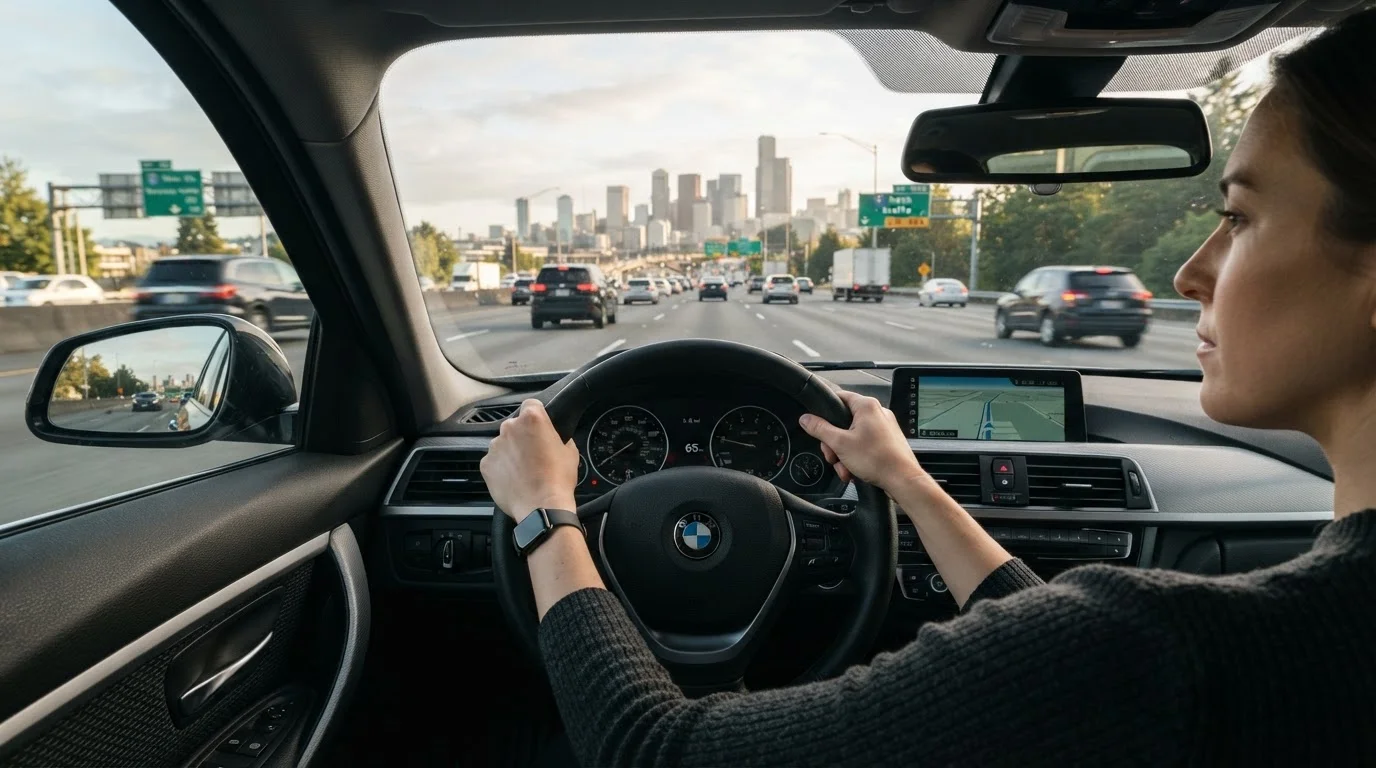
Photo: BridgeWish.com | Reliable Source Of Information editorial
Key Takeaways
- Defensive driving is about anticipating hazards, not just reacting to them.
- Maintaining a following distance of at least three seconds gives you critical response time.
- Scanning well ahead - not just the car in front - is the foundation of situational awareness.
- Emotional control and patience are as important as physical vehicle-handling skills.
- Formal defensive driving courses reinforce habits that casual experience rarely teaches.
What Defensive Driving Actually Means
Most drivers think of themselves as safe simply because they follow traffic laws. Defensive driving is a different standard. It means operating your vehicle with the assumption that other road users may make mistakes - and positioning yourself to handle those mistakes before they become emergencies.
The term originates from driver education programs developed in the mid-20th century, and the core idea hasn't changed: you are responsible not only for your own decisions, but for maintaining a buffer against everyone else's. A defensive driver doesn't just obey rules; they constantly read the road environment, predict likely hazards, and create options to escape them.
This is distinct from aggressive or overconfident driving, where a driver assumes they can react fast enough to any situation. Situational awareness on the road captures this distinction well - skilled drivers stay ahead of problems rather than responding to them after the fact.
Following distance
The gap maintained between your vehicle and the one directly ahead, typically measured in seconds. A three-second gap is the commonly recommended minimum for dry road conditions.
Hazard perception
The ability to spot developing road situations - such as a merging truck or a child near the curb - before they become immediate dangers, allowing time to adjust.
Space cushion
A buffer of clear space maintained around all sides of your vehicle, giving you room to maneuver if a driver nearby acts unexpectedly.
Blind spot
An area alongside and slightly behind your vehicle that mirrors do not cover. Physically turning your head to check blind spots before changing lanes is a critical safety step.
Scanning
Actively moving your eyes across the full road environment - well ahead, to the sides, and in mirrors - rather than fixating on the vehicle directly in front.
The Core Principles of Defensive Driving
Defensive driving rests on a small set of principles that apply across every driving environment:
- Assume risk is always present. Even on familiar roads in good weather, pedestrians, cyclists, or other drivers can behave unexpectedly. A defensive driver maintains readiness rather than relaxing into routine.
- Maintain space cushions. A following distance of at least three seconds gives you reaction time when the car ahead stops suddenly. Lateral space matters too - avoid lingering in another driver's blind spot.
- Scan well ahead. Looking only at the bumper in front of you limits your warning time to fractions of a second. Scanning 12 to 15 seconds ahead - roughly a quarter mile at highway speeds - lets you plan rather than react.
- Control your speed for conditions. Posted speed limits reflect ideal conditions. Rain, fog, construction, or heavy traffic all warrant reductions, independent of what other drivers around you are doing.
- Manage your emotional state. Frustration, impatience, or fatigue degrades decision-making. Understanding what triggers road rage and how to de-escalate is a genuine defensive driving skill.
Use the Three-Second Rule Consistently
Daily Habits That Put Defensive Driving Into Practice
Principles matter, but habits are what keep you safe on a Tuesday morning commute. A few concrete practices translate defensive thinking into consistent behavior:
- Perform a pre-drive check. Mirrors, seat position, tire pressure, and fuel level take under two minutes. A well-maintained vehicle is a defensive one - see our car maintenance guides for what to monitor regularly.
- Eliminate distractions before moving. Phone navigation, music, and climate controls should be set before you shift into drive. Cognitive distraction persists for several seconds after a phone interaction ends, even hands-free.
- Signal early and consistently. Turn signals communicate your intentions to drivers around you, giving them time to adjust. Late or absent signals are a primary cause of avoidable collisions.
- Yield aggressively when in doubt. Many collisions happen because two drivers each believed they had right of way. Right-of-way rules are frequently misunderstood - yielding costs seconds; a collision costs far more.
Defensive Driving Is Not Slow Driving
Common Situations That Test Your Defensive Skills
Certain driving contexts consistently expose gaps in defensive habits:
- Merging and lane changes
- Check mirrors, signal, check your blind spot physically, then move. Many drivers skip the physical blind-spot check and rely entirely on mirrors, which leave a gap of about 15 to 20 feet alongside the vehicle.
- Intersections
- Even on a green light, pause briefly before proceeding and scan cross-traffic. A significant percentage of crash fatalities occur at intersections, many involving drivers running red lights or stop signs.
- Highway driving
- Speed amplifies the consequences of every error. Our article on highway driving habits details how spacing, lane discipline, and exit planning differ at interstate speeds.
- Night and low-visibility driving
- Reduce speed so your stopping distance stays within the range your headlights illuminate. Overdriving your headlights - going fast enough that you can't stop within the distance you can see - is one of the most common and underappreciated nighttime hazards.
How to Keep Improving Over Time
Experience alone doesn't guarantee better driving - it can just as easily reinforce bad habits. Intentional practice and periodic review make the difference.
Formal defensive driving courses, offered through organizations such as the National Safety Council and AAA, provide structured instruction, hazard perception exercises, and often include insurance benefits. Even experienced drivers tend to identify gaps after completing a refresher course.
Self-assessment is equally valuable. After each drive, briefly consider: Did I maintain adequate following distance? Did I check blind spots consistently? Was I scanning far enough ahead? This kind of deliberate reflection accelerates improvement in ways that passive repetition does not.
Driving risks also evolve across life stages. Our guide on safe driving at every life stage addresses how priorities and challenges shift for new drivers, daily commuters, and older adults alike.
Ultimately, defensive driving is less a technique than a mindset - one that treats every trip, regardless of distance or familiarity, as an environment requiring active management.
Frequently Asked Questions
The content on this site is for informational purposes only and is not a substitute for professional advice. Always consult a qualified professional for guidance specific to your situation.