
The True Cost of Car Ownership Beyond the Sticker Price

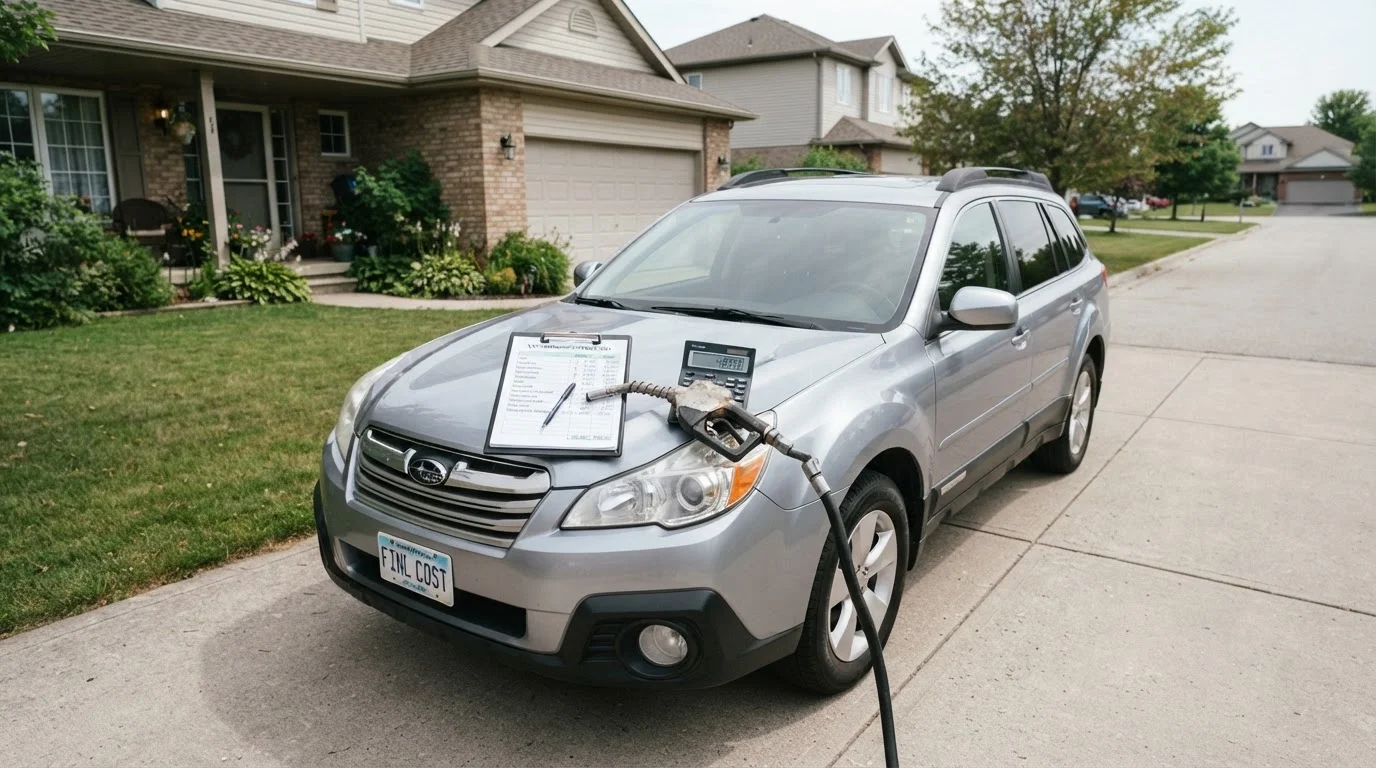
Photo: BridgeWish.com | Reliable Source Of Information editorial
Key Takeaways
- Depreciation is typically the single largest hidden cost of owning a new vehicle.
- AAA estimates average annual car ownership costs exceed $10,000 for many drivers.
- Insurance, fuel, and maintenance together can easily match or exceed monthly loan payments.
- Financing costs add significantly to total ownership expenses over a multi-year loan.
- Understanding all cost categories before buying helps you choose a vehicle you can truly afford.
Why the Sticker Price Is Only the Starting Point
When most people shop for a vehicle, they focus on one number: the purchase price. But that figure covers only the moment you sign - not the years of costs that follow. Understanding the full financial picture before you buy is essential to avoid a budget shortfall that compounds month after month.
The expenses that follow a purchase fall into two categories: fixed costs (like insurance premiums and loan payments that recur predictably) and variable costs (like fuel and repairs that fluctuate based on use and circumstance). A realistic ownership budget accounts for both.
For guidance on avoiding the financial traps that inflate these numbers unnecessarily, see our article on financial missteps that make car ownership far more expensive.
$10,000+
Average annual car ownership cost
AAA's annual 'Your Driving Costs' study consistently finds that average vehicle ownership and operation costs exceed $10,000 per year for many US drivers.
~20%
New car value lost in year one
Automotive valuation analysts estimate new vehicles can depreciate 15-25% in their first year of ownership, making depreciation the largest single ownership cost.
$1,000+
Annual maintenance and repair average
Consumer automotive research suggests drivers should plan for over $1,000 annually in maintenance and unplanned repair costs, with older vehicles trending higher.
Depreciation: The Largest Cost Most Buyers Don't See
Depreciation - the decline in a vehicle's market value over time - is consistently the biggest single cost of owning a new car, yet it never appears on a monthly statement. A new vehicle can lose 15-25% of its value within the first year and roughly 50% within five years, according to automotive valuation data.
This matters practically when you sell or trade in your vehicle. The gap between what you paid and what you receive is real money lost. Buyers who financed their purchase may find they owe more on the loan than the car is worth - a condition known as being underwater or having negative equity.
Choosing a vehicle with a historically strong resale value can meaningfully reduce your depreciation exposure, though no outcome can be guaranteed. Researching resale data before purchase is a straightforward way to factor this cost into your decision.
“The biggest financial mistake car buyers make is thinking about the monthly payment instead of the total cost of ownership. Depreciation, insurance, and fuel can easily double what you think you're spending.”
— Automotive Consumer Research Analyst, Vehicle Cost and Valuation Expert
Insurance, Fuel, and Financing: The Recurring Budget Line Items
Auto insurance is non-negotiable in virtually every US state and represents a significant fixed monthly expense. Premiums vary based on your driving record, location, coverage level, vehicle type, and other factors. A high-trim SUV will generally cost more to insure than an entry-level sedan.
Fuel is your most variable ongoing cost. A vehicle that gets 25 MPG versus 35 MPG can translate into hundreds of dollars in additional annual fuel spending depending on how much you drive and local gas prices. This difference compounds significantly over years of ownership.
Financing charges are another cost that buyers frequently underestimate. On a five-year auto loan, even a modest interest rate adds thousands of dollars to the total amount paid. The longer the loan term, the more interest accrues - and the longer you remain at risk of negative equity.
For practical strategies on managing these ongoing expenses, our guide on managing the ongoing costs of a car you already own offers actionable approaches.
Maintenance, Repairs, and Registration: The Costs That Catch Owners Off Guard
Routine maintenance - oil changes, tire rotations, brake inspections, fluid top-offs - is predictable and manageable when planned for. What catches many owners off guard is the cumulative cost of these services over years, plus the less predictable expense of repairs.
Tires alone can cost $400-$900 or more for a full replacement set, depending on vehicle size. Brake jobs, battery replacements, and timing belt or chain service are other expenses that arrive on their own schedule regardless of your budget.
State registration and title fees also recur annually and vary by location and vehicle value. These are easy to forget when calculating what a car will cost you month to month.
Build a Maintenance Reserve Fund
If you're new to owning a vehicle and want to understand what a proper maintenance schedule looks like, our maintenance guide for beginners breaks down exactly what's involved and when. You can also explore our car maintenance hub for ongoing practical guidance.
Building a Realistic Ownership Budget
A functional car budget goes beyond the monthly payment. Before committing to a vehicle, estimate your total annual ownership cost by adding up all categories: loan payment, insurance, estimated fuel, routine maintenance reserve, registration, and a repair buffer.
A common framework is the 20/4/10 rule: put at least 20% down, finance for no more than four years, and keep total vehicle expenses (loan plus insurance) under 10% of gross monthly income. This is a guideline, not a guarantee, but it provides a useful starting point for evaluating affordability.
For drivers working to align vehicle costs with a broader household budget, budgeting basics offers foundational strategies that apply directly to large recurring expenses like car ownership.
This article is for general informational and educational purposes only and does not constitute financial or legal advice. Readers should consult a qualified financial professional for guidance specific to their individual circumstances.
Frequently Asked Questions
The content on this site is for informational purposes only and is not a substitute for professional advice. Always consult a qualified professional for guidance specific to your situation.