
Synthetic vs. Conventional Motor Oil: Which One Belongs in Your Engine?

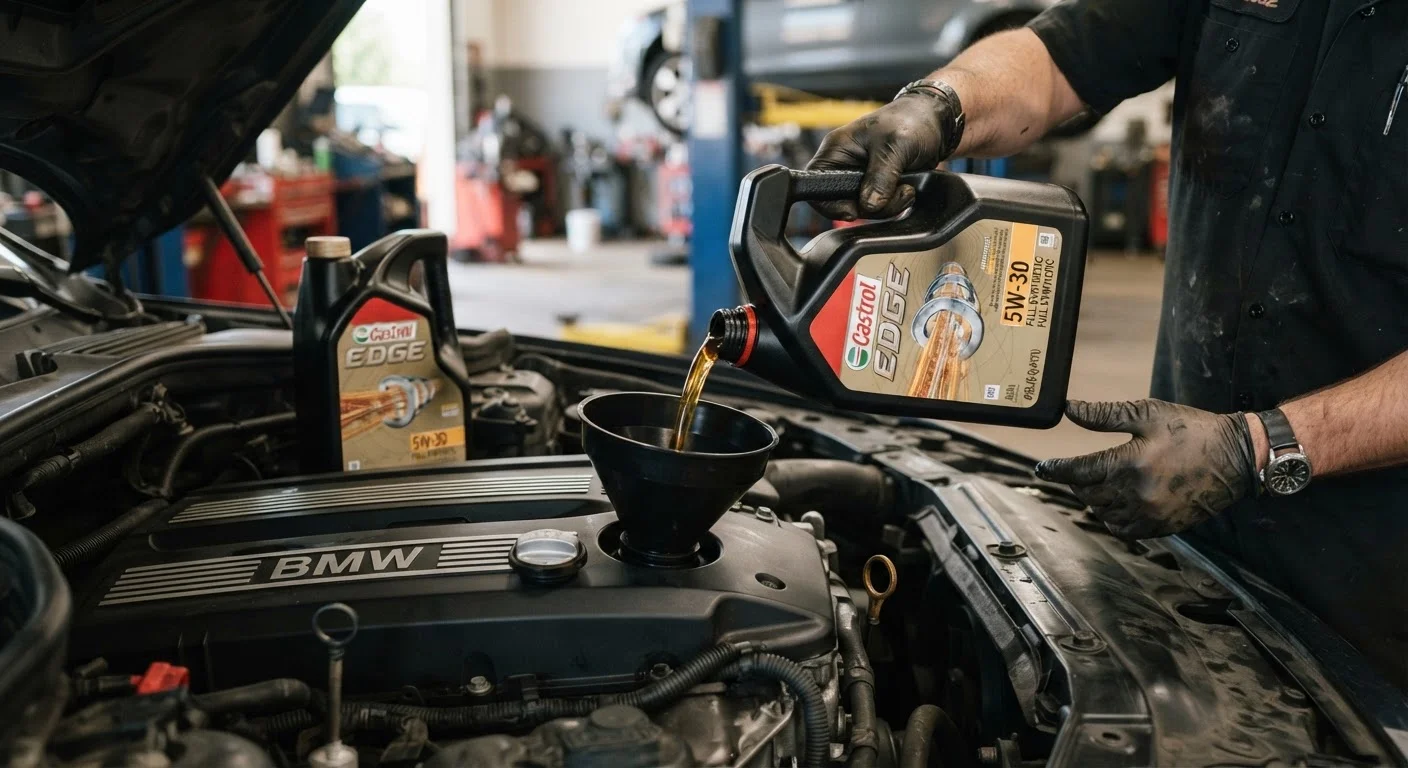
Photo: BridgeWish.com | Reliable Source Of Information editorial
Key Takeaways
- Synthetic oil is refined and chemically engineered for more consistent molecular structure than conventional oil.
- Most modern vehicles - especially those with turbocharged engines - are factory-filled with and designed for synthetic oil.
- Conventional oil typically requires more frequent changes, often every 3,000-5,000 miles depending on conditions.
- Synthetic oil generally costs more per quart but can extend drain intervals to 7,500-15,000 miles in many applications.
- Always defer to your owner's manual - it specifies exactly what your engine requires, not marketing claims.
- Switching from conventional to synthetic in a well-maintained engine is generally safe; consult a mechanic for high-mileage vehicles.
What Actually Separates These Two Oils
The core difference between synthetic and conventional motor oil comes down to how each is made. Conventional oil is refined directly from crude petroleum. It works - but crude oil contains naturally occurring impurities and molecular irregularities that no refining process fully eliminates.
Synthetic oil starts from a similar base but is then chemically engineered. Manufacturers build the molecules to a more uniform structure, which translates to more predictable behavior under stress, heat, and cold. Some synthetics use a polyalphaolefin (PAO) base; others use highly refined Group III base stocks. Either way, the result is an oil with fewer contaminants and tighter performance tolerances.
There's also a middle ground: synthetic blend oils, which mix conventional and synthetic base stocks. These offer some of synthetic's protective benefits at a lower cost, and are a reasonable option for drivers whose owners' manuals don't require full synthetic.
Your Owner's Manual Is the Final Word
For a broader look at how maintenance decisions affect long-term costs, see our article on persistent car maintenance myths - including why the old 3,000-mile oil change rule no longer applies to most drivers.
Performance, Longevity, and Real-World Tradeoffs
Engine lubrication is not just about reducing friction - it's about protecting against wear during cold starts, preventing sludge buildup, and maintaining viscosity under sustained heat. This is where synthetic and conventional oil diverge most meaningfully.
| Criterion | Synthetic Motor Oil | Conventional Motor Oil |
|---|---|---|
| Base material | Chemically engineered base stocks | Refined crude petroleum |
| Typical drain interval | 7,500-15,000 miles (varies by vehicle) | 3,000-5,000 miles |
| Cost per quart | Higher (approx. 2-4× more) | Lower upfront cost |
| Cold-weather performance | Flows faster at low temperatures | Thickens more in extreme cold |
| Heat resistance | Resists breakdown at high temps | Oxidizes faster under sustained heat |
| Engine compatibility | Required for most modern engines | Suitable for many older, simpler engines |
| Sludge resistance | Higher resistance to sludge buildup | More prone to sludge over time |
Synthetic oil's more uniform molecular structure means it flows faster at startup, when most engine wear actually occurs. It also resists thermal breakdown longer, which is why manufacturers specify longer drain intervals when synthetic is used. Conventional oil, by contrast, begins oxidizing and losing viscosity more quickly, particularly in stop-and-go traffic or high-heat conditions.
It's worth noting that oil life is also influenced by driving style, climate, engine condition, and whether the vehicle uses an oil life monitoring system. Drivers who frequently take short trips - where the engine never fully warms up - may actually degrade oil faster regardless of type. The tradeoffs of extending maintenance intervals article explores exactly this issue in more depth.
5W-20 / 0W-20
Most common grades specified for modern engines
Thinner viscosity grades like these require the consistent flow properties that full synthetic is engineered to provide.
~80%
Share of new U.S. vehicles factory-filled with synthetic
Industry estimates suggest the majority of new passenger vehicles in the U.S. now leave the factory with full synthetic oil, reflecting how standard it has become.
Cold start
When most engine wear occurs
Automotive engineers widely recognize that the majority of engine wear happens in the first moments after ignition, before oil reaches operating pressure - a scenario where synthetic's faster flow matters most.
How to Make the Right Call for Your Car
The single most reliable guide to what oil your engine needs is your vehicle's owner's manual. It specifies the required oil viscosity grade (such as 5W-30 or 0W-20) and whether synthetic is required or recommended. If the manual says full synthetic, that isn't a suggestion - it's an engineering specification.
For high-mileage vehicles already running on conventional oil, switching to full synthetic isn't automatically harmful, but it's worth a conversation with a qualified mechanic. Some older engines with worn seals may experience minor leaks after switching, since synthetic oil's different flow characteristics can interact with aged gaskets differently.
Cost is a real factor. Synthetic oil typically costs two to four times more per quart than conventional. However, if synthetic extends your drain interval from 5,000 miles to 10,000 miles, the per-mile cost difference narrows considerably. Run the numbers based on your actual driving habits before assuming conventional is cheaper overall.
If you're weighing a vehicle purchase and wondering how long-term ownership costs - including maintenance - factor into the decision, the comparison in buying vs. leasing a car offers useful context on total cost of ownership.
The content on this site is for informational purposes only and is not a substitute for professional advice. Always consult a qualified professional for guidance specific to your situation.