
Why Skipping Oil Changes Costs You Far More Than the Service Itself

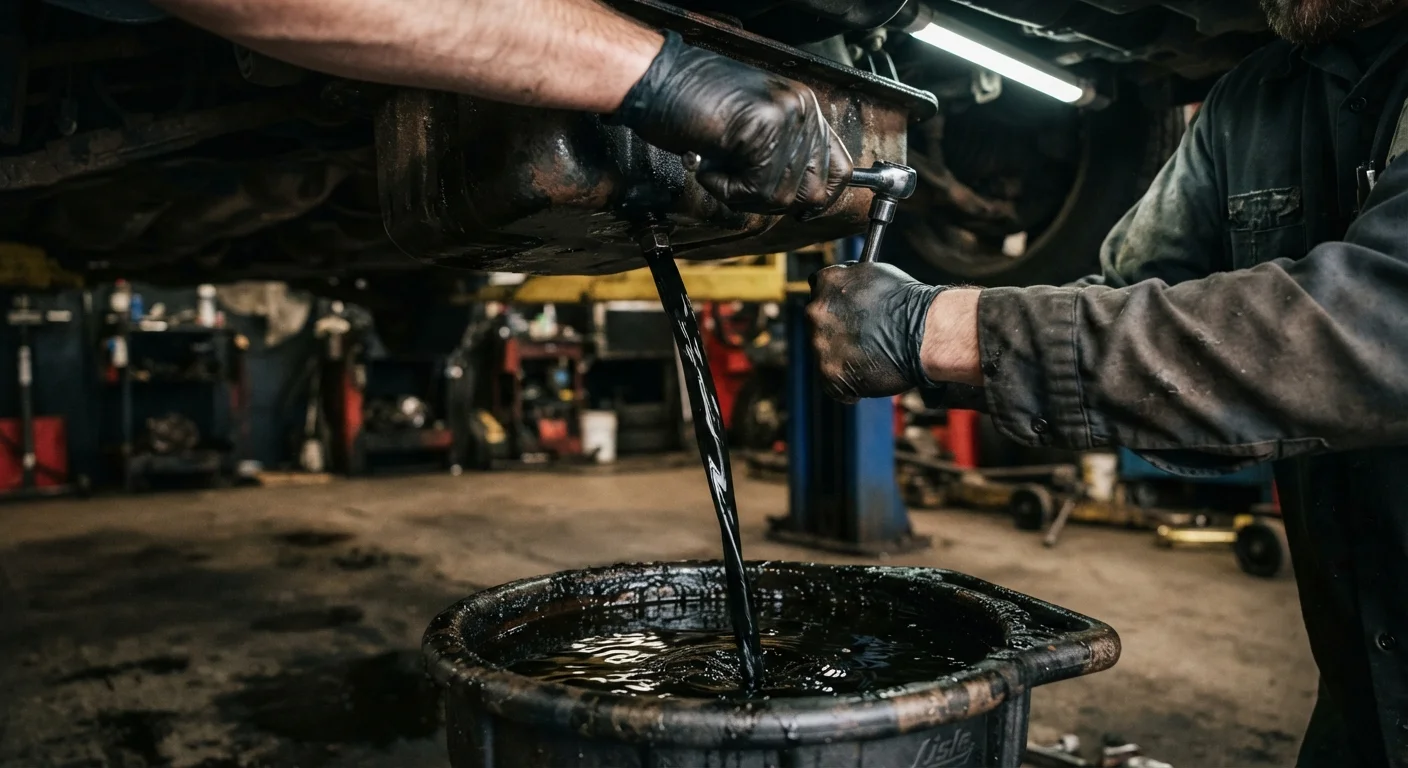
Photo: BridgeWish.com | Reliable Source Of Information editorial
Key Takeaways
- Skipping oil changes allows engine oil to degrade into sludge, accelerating internal wear on critical components.
- Damage from delayed oil changes is cumulative and often invisible until a major repair is already unavoidable.
- A single skipped service can void powertrain warranty coverage, leaving you fully responsible for repair costs.
- Most modern vehicles specify oil change intervals well beyond 3,000 miles - check your owner's manual for the correct figure.
- The cost of a routine oil change is a fraction of the engine repairs that neglect typically causes.
What Oil Actually Does - and What Happens When It Can't
Engine oil does three jobs simultaneously: it lubricates metal surfaces moving against each other at high speed, carries heat away from components that can't be water-cooled directly, and suspends combustion byproducts so they can be trapped by the oil filter. Fresh oil handles all three capably. Degraded oil does none of them well.
As oil ages, its additive package breaks down. Detergents that keep sludge in suspension become exhausted. Viscosity modifiers thin out, reducing the oil's ability to maintain a protective film under load. Oxidation turns oil acidic, and that acid attacks bearing surfaces and seals. None of this happens overnight - which is exactly what makes neglect so dangerous. The engine runs, temperatures stay normal, and nothing obvious warns you that internal surfaces are wearing faster than they should.
For a closer look at how maintenance intervals are actually calculated, see our analysis of extending maintenance intervals.
The Most Costly Mistakes Drivers Make With Oil Changes
Understanding the specific errors that lead to engine damage helps you sidestep them before they compound into something expensive.
Relying on the oil change reminder light as the only gauge of when service is due.
Topping off degraded oil instead of replacing it fully.
Skipping oil changes on vehicles driven infrequently or stored for extended periods.
Assuming the engine is fine because no warning lights have appeared.
Using the wrong oil specification for the engine.
$4,000+
Typical partial engine rebuild cost
Repair industry estimates place partial engine rebuilds - often the direct result of sludge damage - between $1,500 and $4,000 or more depending on vehicle and labor rates.
40%
Engine wear occurs at startup
Engineering studies have long indicated that a significant proportion of engine wear occurs during cold starts, when oil film has drained from surfaces - making oil quality and viscosity especially critical.
The Financial Reality of Deferred Oil Changes
An oil change at a qualified shop typically runs between $50 and $120 depending on oil type and vehicle. A sludge-related engine flush and deep cleaning can run several hundred dollars. A partial engine rebuild - replacing worn bearings, rings, or a damaged camshaft - routinely costs $1,500 to $4,000 or more. A full engine replacement on a mid-size vehicle can exceed $8,000 with labor.
Skipping Services Can Void Your Powertrain Warranty
That progression - from a skipped $75 service to a four-figure repair - is not hypothetical. It is a pattern repair technicians encounter regularly, and it is almost always preventable. The critical insight is that the damage accumulates invisibly. By the time oil pressure drops noticeably or the engine begins knocking, the wear has already occurred. You are then paying to repair consequences, not prevent them.
Deferred vehicle maintenance follows the same compounding logic as deferred home repairs - something our full breakdown of skipped service costs covers in detail.
Getting Your Interval Right From the Start
One contributing factor to skipped oil changes is genuine confusion about how often they're needed. The old 3,000-mile rule is outdated for most modern vehicles. Many current gasoline engines with full-synthetic oil are engineered for 7,500- to 10,000-mile intervals or longer under normal driving conditions. Using the wrong interval - either too short or too long - costs you money unnecessarily or leaves the engine underprotected. Your owner's manual, not a quick-lube reminder sticker, is the authoritative source.
Why the 3,000-mile rule no longer applies to most drivers is worth reading before you schedule your next service. And if you're sorting fact from fiction on other maintenance habits, our guide to persistent car maintenance myths covers the most common misunderstandings clearly.
The bottom line: following your manufacturer's actual interval - consistently - is the single most cost-effective thing you can do for long-term engine health. It requires no special tools, no mechanical knowledge, and no significant time investment. It only requires not skipping it.
The content on this site is for informational purposes only and is not a substitute for professional advice. Always consult a qualified professional for guidance specific to your situation.