
Your First Budget: A Practical Starting Point for Managing Money

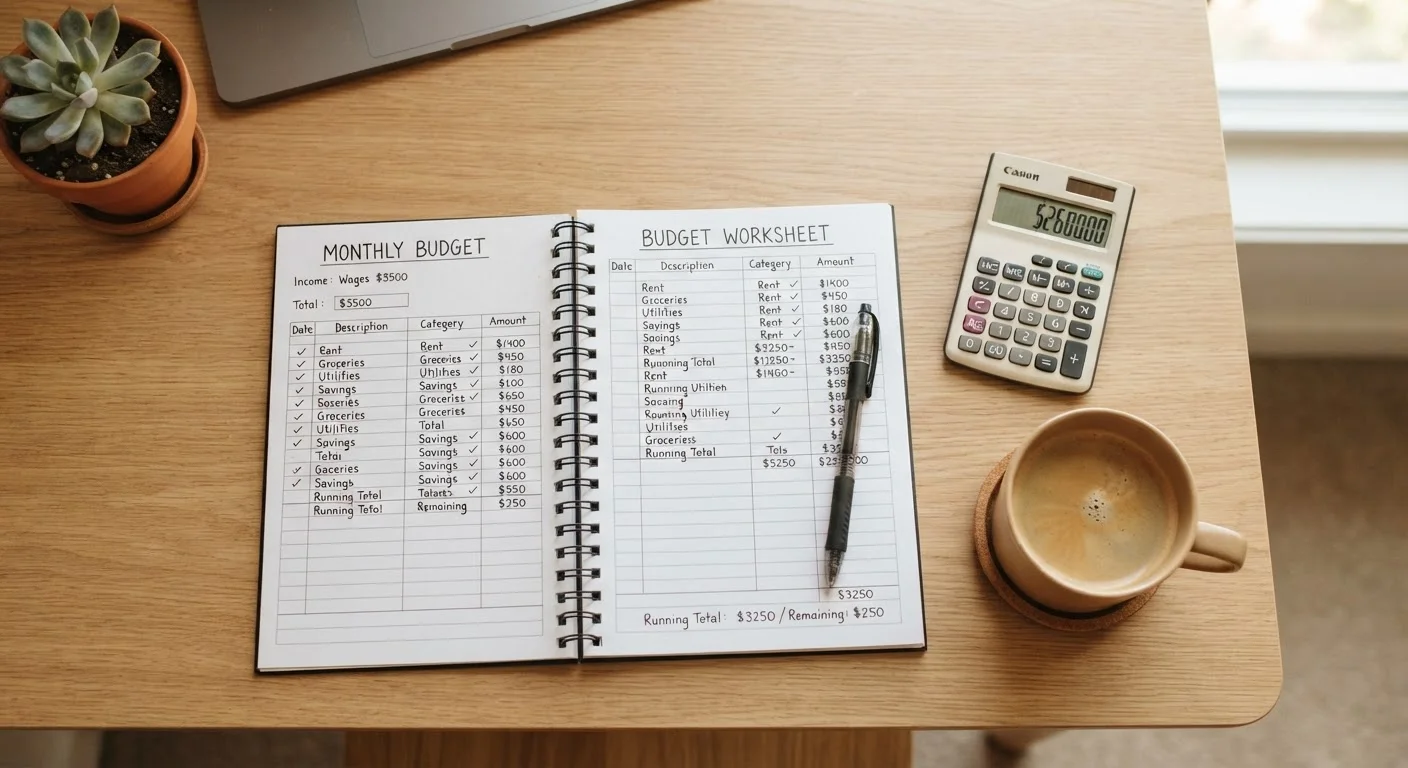
Photo: BridgeWish.com | Reliable Source Of Information editorial
Key Takeaways
- A budget is simply a plan for your money - it doesn't have to be complicated.
- Start with your actual take-home pay, not your gross salary.
- Separate fixed expenses from variable ones to spot where you have flexibility.
- The 50/30/20 rule gives beginners a simple, proven starting framework.
- Tracking your spending for a month before budgeting reveals where money actually goes.
- Review and adjust your budget regularly - it should reflect real life, not just intentions.
Why a Budget Is Worth the Effort
A budget is simply a written plan for how you intend to use your money. Nothing more. Despite the word carrying a reputation for restriction, a budget actually gives you more control - because you're making deliberate choices rather than wondering where your paycheck disappeared to.
Research consistently links budgeting to reduced financial stress and better progress toward savings goals. You don't need to be in financial trouble to benefit. Whether you're living paycheck to paycheck or just feel uncertain about your finances, a budget gives you a clear, honest picture - and that clarity is the starting point for everything else.
Before you build a budget, it helps to understand the vocabulary involved. See our plain-language glossary of budgeting terms for definitions of concepts like net income and discretionary spending.
Step One: Know Your Take-Home Income
Your budget must be built on take-home pay - the amount deposited into your account after taxes and any deductions like health insurance or retirement contributions. Using your gross (pre-tax) salary as the starting point is one of the most common first-timer mistakes and leads to a budget that doesn't reflect reality.
Add up all reliable income sources: your primary job, any regular side income, freelance payments, or benefits. If your income varies, use a conservative estimate - your lowest typical month is a safer baseline than your best month.
Use Your Lowest Month as the Baseline
Step Two: List Every Expense
Divide your spending into two categories:
- Fixed expenses - costs that don't change month to month, such as rent, loan payments, or insurance premiums.
- Variable expenses - costs that fluctuate, like groceries, gas, dining out, and entertainment.
Pull three months of bank and credit card statements and total what you actually spent - not what you think you spent. Most people significantly underestimate variable spending. Our related guide on tracking your spending walks through this process in detail if you want a structured approach.
Don't forget irregular expenses: annual subscriptions, car registration, holiday gifts. Divide these by 12 and treat them as a monthly line item so they don't blindside you.
Don't Skip the Statement Review
Step Three: Choose a Simple Framework
Once you have your income and expense totals, you need a structure to work within. The 50/30/20 rule is a widely used starting framework:
- 50% of take-home pay toward needs (rent, utilities, groceries, insurance, minimum debt payments)
- 30% toward wants (dining out, streaming services, hobbies)
- 20% toward savings and debt repayment
These percentages are guidelines, not rules. If you live in a high-cost city, your needs may consume more than 50% - adjust the other categories accordingly rather than abandoning the exercise. The value is in the structure, not in hitting the exact splits.
When your budget starts to feel stable, the next step is setting a specific savings target. Our guide to setting your first savings goal is a practical complement to this process.
Making Your Budget Stick
A budget is only useful if you revisit it. Schedule a brief monthly check-in - 20 minutes is enough - to compare what you planned against what you actually spent. Adjust categories that are consistently off. Life changes, and your budget should change with it.
Two habits help most with consistency: reviewing spending weekly (so nothing surprises you at month-end), and automating savings so the money moves before you have a chance to spend it. The concept of paying yourself first is worth understanding as you develop this habit.
When you're ready to go deeper - building in irregular costs, household contributions, and long-term goals - the next step is building a budget that actually reflects your life.
This article provides general financial information for educational purposes and is not personalised financial advice. For guidance specific to your situation, consider consulting a qualified financial professional.
Frequently Asked Questions
The content on this site is for informational purposes only and is not a substitute for professional advice. Always consult a qualified professional for guidance specific to your situation.