
What Does 'Paying Yourself First' Actually Mean in Practice?

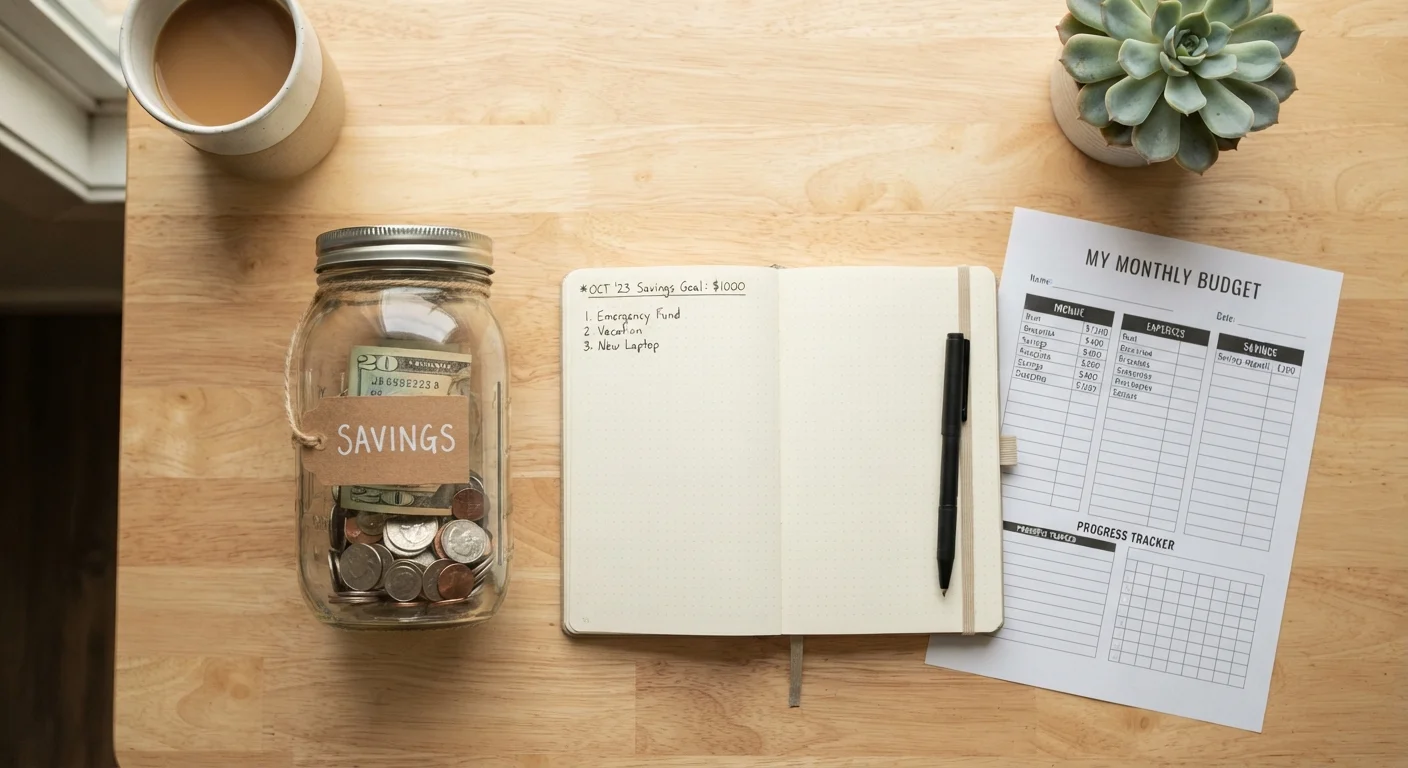
Photo: BridgeWish.com | Reliable Source Of Information editorial
Key Takeaways
- Savings comes out of your paycheck before you pay rent, utilities, or anything else.
- Even a small fixed amount — say $25 per paycheck — builds a consistent habit over time.
- Automation is the most reliable way to make this approach stick long-term.
- The goal is to make saving the default, not an afterthought.
- You don't need a large income to start — starting small is far better than not starting.
Why 'Leftover Savings' Rarely Works
Most people approach saving the same way: pay all the bills, cover expenses, and put aside whatever's left at the end of the month. The problem is that for the majority of American households, there is no money left. Everyday spending — groceries, dining, subscriptions, small impulse purchases — expands to fill whatever budget is available.
Paying yourself first flips the equation. Your savings amount is decided in advance and removed from your available balance before any other spending decision is made. The rest of your income is what you live on. This isn't just a psychological trick — it's a structural change that makes saving the default behavior rather than an act of willpower.
If you haven't yet mapped out where your money goes each month, tracking your spending is a useful starting point before deciding how much to set aside.
What It Actually Looks Like Day to Day
In practical terms, paying yourself first usually means one of two things: an automatic transfer from your checking account to a savings account timed to your payday, or a payroll deduction into a workplace retirement account before your paycheck ever lands.
The mechanics are straightforward. You decide on a fixed dollar amount or percentage — say, $75 per biweekly paycheck. The moment your pay hits your bank, that $75 moves automatically to a separate account you've earmarked for savings. You then budget and spend from what remains.
Use a Separate Account for Your Savings
Over time, most people find they barely notice the money is gone. The key is that the transfer happens automatically — you never have to choose to save each pay period, because the system already made that choice for you. For a deeper look at how automation works in practice, see automating your savings.
How to Set a Realistic Starting Amount
One of the most common mistakes is setting the savings amount too high at the start, running short before the end of the pay period, and abandoning the habit entirely. It's far more effective to start conservatively and increase gradually.
57%
Americans unable to cover a $1,000 emergency
According to a Bankrate survey, more than half of US adults could not cover a $1,000 unexpected expense from savings.
$1,200
Saved in one year at $25 biweekly
Setting aside just $25 every two weeks — one of the lowest reasonable starting amounts — produces $1,200 over a full year without any other changes.
A workable approach: review your last 30–60 days of spending to identify what you realistically have after essential bills. From that, choose a savings amount that's meaningful but won't force you to overdraft. Even $25–$50 per paycheck builds a meaningful buffer over a year. You can raise the amount every few months as your income grows or your spending tightens.
If you're starting from scratch with no savings history, setting your first savings goal can help you frame a target that keeps you motivated without feeling overwhelming.
Fitting It Into a Broader Financial Plan
Paying yourself first is a strategy, not a complete financial plan on its own. It works best as one piece of a broader approach that includes a working budget and a clear view of your income and essential expenses.
For instance, if your fixed monthly costs — rent, utilities, minimum debt payments — already consume more than your income, moving money into savings first could create shortfalls elsewhere. In those cases, addressing spending gaps or income first, then gradually introducing a pay-yourself-first habit, is the more sustainable path. Building a household budget can help you see the full picture before you commit to a savings amount.
This article is for general informational purposes only and does not constitute personalized financial advice. Consider speaking with a qualified financial professional about decisions specific to your situation.
Frequently Asked Questions
The content on this site is for informational purposes only and is not a substitute for professional advice. Always consult a qualified professional for guidance specific to your situation.