
Debt Consolidation: What It Does, What It Doesn't, and When It Makes Sense

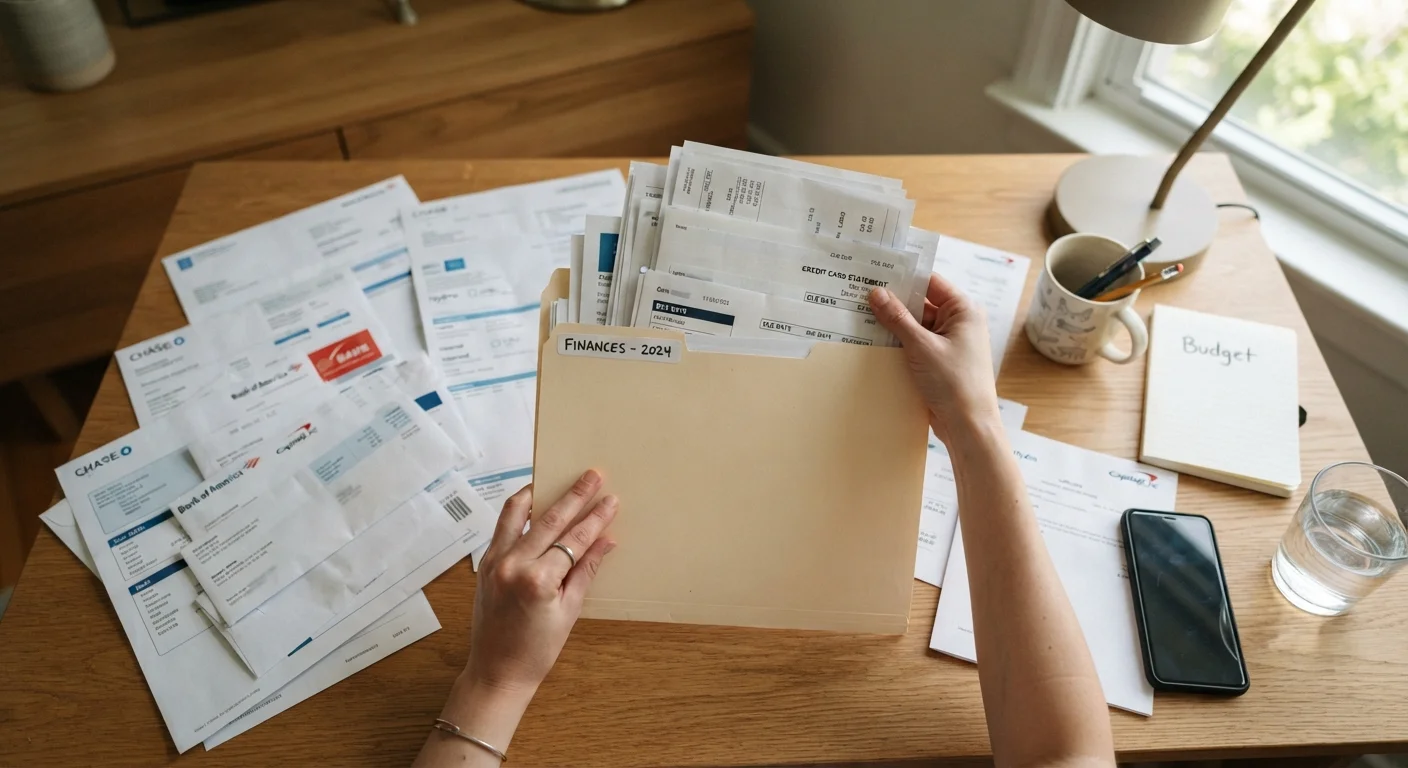
Photo: BridgeWish.com | Reliable Source Of Information editorial
Key Takeaways
- Debt consolidation rolls multiple debts into a single payment, ideally at a lower interest rate.
- It simplifies repayment but does not reduce the principal amount you owe.
- A lower monthly payment can mean a longer repayment period and more total interest paid.
- Your credit score and debt type significantly affect whether consolidation saves you money.
- Consolidation works best as part of a broader plan to change spending habits.
Potentially lower interest rate reduces total cost
Moving high-interest credit card balances (often 20%+ APR) to a personal loan at a lower rate can meaningfully cut the total interest paid over time, assuming the repayment term stays comparable.
Single payment simplifies monthly money management
Replacing five separate due dates with one reduces the chance of missed payments, which can trigger penalty rates and credit score damage.
Fixed repayment timeline creates a clear end date
Unlike revolving credit card debt, a consolidation loan with a fixed term gives you a defined payoff date, which can improve both planning and motivation.
Can lower monthly payment and ease cash flow
A reduced monthly obligation can free up room in a tight budget, though this benefit should be weighed against the possibility of a longer repayment term.
Does not reduce the principal balance owed
On day one of a consolidation loan, you owe the same total as before. The restructuring changes terms, not the underlying debt amount.
Longer terms can increase total interest paid
A lower monthly payment is often achieved by extending the loan term. Stretching repayment from three years to six years can result in paying more interest overall, even at a lower rate.
Fees can erode or eliminate savings
Origination fees on personal loans, balance transfer fees (typically 3-5% of the transferred amount), and closing costs on home equity products can significantly reduce the financial benefit.
Requires adequate credit to qualify for a better rate
Borrowers with poor or fair credit may not qualify for a rate low enough to justify consolidation - or may be offered terms worse than their current debts.
Risk of accumulating new debt on cleared accounts
Paying off credit cards through consolidation frees up those credit lines. Without changed spending habits, it's common for borrowers to run those balances back up, doubling their total debt load.
Secured consolidation puts assets at risk
Using a home equity loan to consolidate unsecured debt converts that debt into a secured obligation - meaning your home could be at risk if you default.
What Debt Consolidation Actually Means
Debt consolidation means combining two or more existing debts - typically credit card balances, medical bills, or personal loans - into a single new loan or credit line. The goal is usually a lower interest rate, a single monthly payment, or both.
Common consolidation methods include personal loans, balance transfer credit cards (which often carry a 0% introductory period), and home equity loans or lines of credit. Each carries different eligibility requirements, costs, and risks. For a clear breakdown of how secured and unsecured debt differ - which matters a lot when choosing a consolidation vehicle - see our guide to secured vs. unsecured debt.
Crucially, consolidation restructures debt - it does not eliminate it. The total balance you owe remains the same on day one of the new loan.
The Real Advantages
When the numbers line up, consolidation offers concrete benefits worth considering.
Potentially lower interest rate reduces total cost
Moving high-interest credit card balances (often 20%+ APR) to a personal loan at a lower rate can meaningfully cut the total interest paid over time, assuming the repayment term stays comparable.
Single payment simplifies monthly money management
Replacing five separate due dates with one reduces the chance of missed payments, which can trigger penalty rates and credit score damage.
Fixed repayment timeline creates a clear end date
Unlike revolving credit card debt, a consolidation loan with a fixed term gives you a defined payoff date, which can improve both planning and motivation.
Can lower monthly payment and ease cash flow
A reduced monthly obligation can free up room in a tight budget, though this benefit should be weighed against the possibility of a longer repayment term.
20%+
Average credit card APR in recent years
Federal Reserve data has consistently shown average credit card interest rates exceeding 20% APR, underlining why rate reduction is the primary driver of consolidation decisions.
3-5%
Typical balance transfer fee
Most balance transfer cards charge a fee of 3% to 5% of the transferred amount, which must be factored into any savings calculation before proceeding.
Beyond interest savings, a single monthly payment reduces the cognitive load of managing multiple due dates, minimum payments, and creditors - which also lowers the risk of missing a payment and triggering a penalty rate.
The Limitations You Need to Understand
Consolidation is frequently misunderstood as a form of debt relief. It is not.
Does not reduce the principal balance owed
On day one of a consolidation loan, you owe the same total as before. The restructuring changes terms, not the underlying debt amount.
Longer terms can increase total interest paid
A lower monthly payment is often achieved by extending the loan term. Stretching repayment from three years to six years can result in paying more interest overall, even at a lower rate.
Fees can erode or eliminate savings
Origination fees on personal loans, balance transfer fees (typically 3-5% of the transferred amount), and closing costs on home equity products can significantly reduce the financial benefit.
Requires adequate credit to qualify for a better rate
Borrowers with poor or fair credit may not qualify for a rate low enough to justify consolidation - or may be offered terms worse than their current debts.
Risk of accumulating new debt on cleared accounts
Paying off credit cards through consolidation frees up those credit lines. Without changed spending habits, it's common for borrowers to run those balances back up, doubling their total debt load.
Secured consolidation puts assets at risk
Using a home equity loan to consolidate unsecured debt converts that debt into a secured obligation - meaning your home could be at risk if you default.
If you're weighing consolidation against simply restructuring how you tackle existing balances, comparing payoff frameworks like the avalanche and snowball methods can help you determine whether consolidation or a DIY strategy better fits your situation.
When Consolidation Makes Sense - and When It Doesn't
Consolidation tends to deliver real value when all of the following are true: you have multiple high-interest unsecured debts, your credit profile qualifies you for a meaningfully lower rate, and you have addressed the spending pattern that generated the debt in the first place.
Run the Numbers Before Committing
It is a poor fit when your existing debts already carry low rates, when fees on the new loan eliminate the interest savings, or when you are likely to run up new balances on paid-off credit cards after consolidating. For a broader view of where consolidation sits relative to debt settlement and bankruptcy, see this honest comparison of all three options.
This article is for general informational purposes only and does not constitute personalised financial or legal advice. Consult a licensed financial professional before making decisions about your specific debt situation.
The content on this site is for informational purposes only and is not a substitute for professional advice. Always consult a qualified professional for guidance specific to your situation.