
How Different Types of Debt Affect Your Credit Score Differently

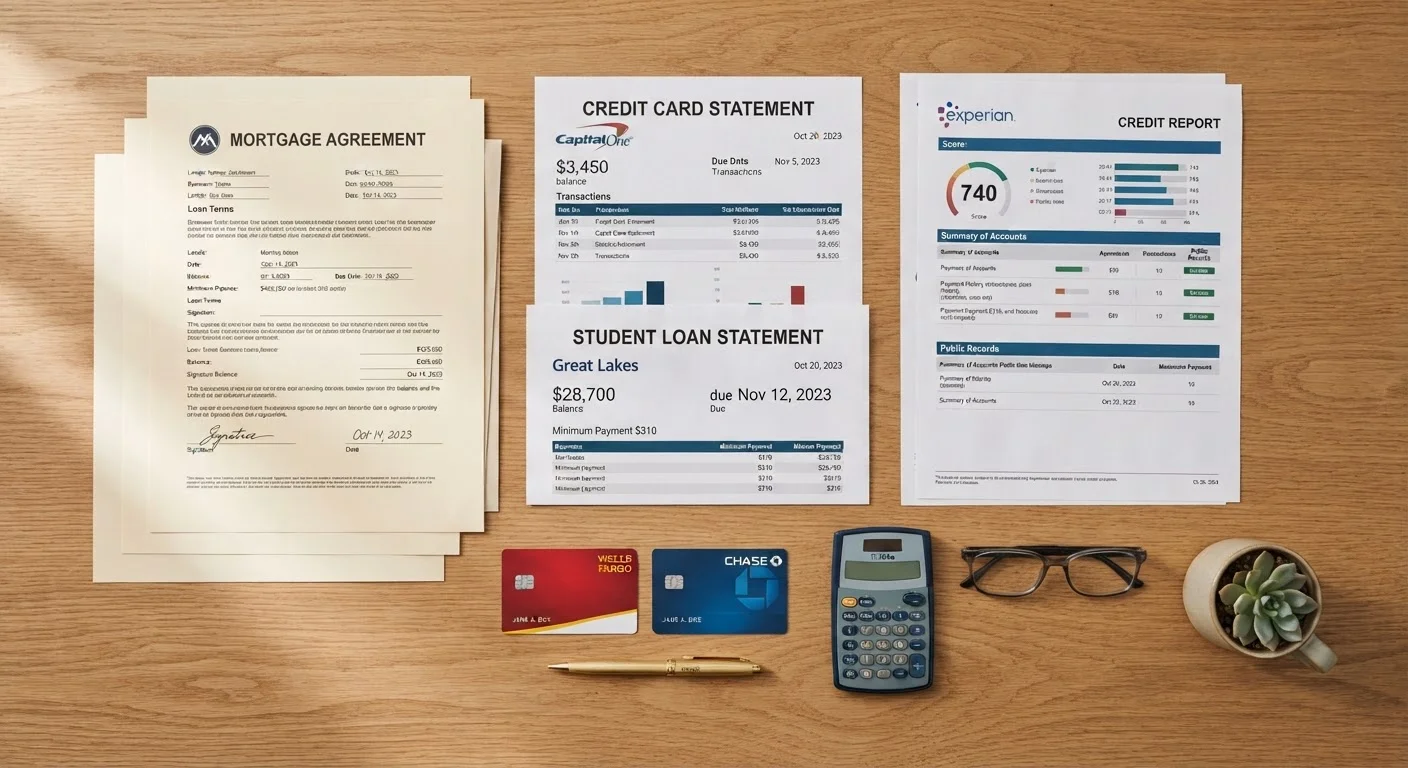
Photo: BridgeWish.com | Reliable Source Of Information editorial
Key Takeaways
- Credit cards carry the highest scoring impact through credit utilization, ideally kept below 30%.
- Installment loans like mortgages and auto loans build credit history without utilization penalties.
- Student loans are installment debt and follow the same scoring rules as other installment accounts.
- A healthy credit mix - revolving and installment accounts - can positively influence your score.
- Payment history is the single largest factor regardless of debt type.
Why Debt Type Matters to Scoring Models
Most people know that debt affects their credit score - but fewer realize that how it affects it depends heavily on the category of debt. Credit scoring models like FICO and VantageScore classify debt into two main buckets: revolving credit (like credit cards) and installment credit (like mortgages, auto loans, and student loans). Each is evaluated differently, and knowing that distinction can change how you prioritize repayment or new borrowing.
For a broader look at the underlying framework, see the five factors that shape your credit score. This article focuses specifically on how each debt category interacts with those factors.
Revolving Debt: Credit Cards and Lines of Credit
Revolving debt is the most actively managed debt type from a scoring perspective. The balance on your revolving accounts changes month to month, and scoring models track your credit utilization ratio - the percentage of your available revolving credit you're currently using. This ratio accounts for roughly 30% of a FICO score, making it the second most influential factor after payment history.
Keeping utilization below 30% is a widely cited guideline, and many financial professionals suggest below 10% for top-tier scores. High balances - even if you pay on time - can drag your score down significantly. Importantly, carrying a balance from month to month won't help your score - that's a common myth worth correcting.
| Credit Cards | Mortgage | Auto Loan | Student Loans | |
|---|---|---|---|---|
| Debt category | Revolving | Installment | Installment | Installment |
| Affects utilization ratio | Yes - significantly | No | No | No |
| Builds credit history | Yes | Yes - long-term | Yes | Yes - multiple tradelines |
| Hard inquiry on application | Yes | Yes | Yes | Yes |
| Score sensitivity to missed payment | High | Very high | High | High |
| Contributes to credit mix | Yes (revolving) | Yes (installment) | Yes (installment) | Yes (installment) |
Opening new credit card accounts also triggers hard inquiries. Hard inquiries differ from soft pulls and can cause a small, temporary score dip - typically minor if you're not applying frequently.
Installment Debt: Mortgages, Auto Loans, and Student Loans
Installment debt has a fixed repayment schedule - the same payment each month until the balance is zero. Unlike credit cards, the outstanding balance on installment loans doesn't factor into your utilization ratio. This makes installment debt considerably less volatile in its day-to-day scoring impact.
Mortgages are the largest installment debt most consumers carry. A mortgage on your credit report signals long-term financial responsibility to lenders. Missing a mortgage payment, however, carries serious consequences - late payments stay on your report for up to seven years.
Auto loans function similarly. They diversify your credit mix and build history, but their primary value is demonstrating consistent, on-time payment behavior. Your credit score affects your auto loan rate, so managing this relationship goes both ways.
Student loans are also installment debt and follow the same scoring logic. Multiple federal student loans may appear as separate tradelines on your report, which can broaden your credit history - but missing payments on even one account can harm your score meaningfully.
Rate-Shopping for Installment Loans
Credit Mix and the Bigger Picture
Scoring models reward borrowers who demonstrate they can handle different types of credit responsibly. Credit mix accounts for roughly 10% of a FICO score - not enormous, but meaningful at the margin. Having only credit cards or only installment loans is a slight disadvantage compared to holding both types with clean payment records.
That said, you shouldn't open accounts purely to diversify your mix. The cost of a new hard inquiry, potential interest charges, and the management overhead rarely justify the modest scoring benefit. Focus on managing what you already have well.
Several persistent myths cloud how people think about credit, including the idea that certain debt types are inherently better or worse for scores. In practice, responsible management of any debt type - on-time payments, controlled balances - outweighs the category itself.
~30%
FICO score weight: credit utilization
According to FICO's published scoring breakdown, amounts owed - primarily utilization on revolving accounts - represent roughly 30% of a standard FICO score.
35%
FICO score weight: payment history
Payment history is the single largest component of a FICO score, applying equally across all debt types - revolving or installment.
This article provides general financial education and is not personalized financial advice. Consult a qualified financial professional for guidance specific to your situation.
The content on this site is for informational purposes only and is not a substitute for professional advice. Always consult a qualified professional for guidance specific to your situation.