
Hard Inquiries vs. Soft Inquiries: What Actually Affects Your Credit

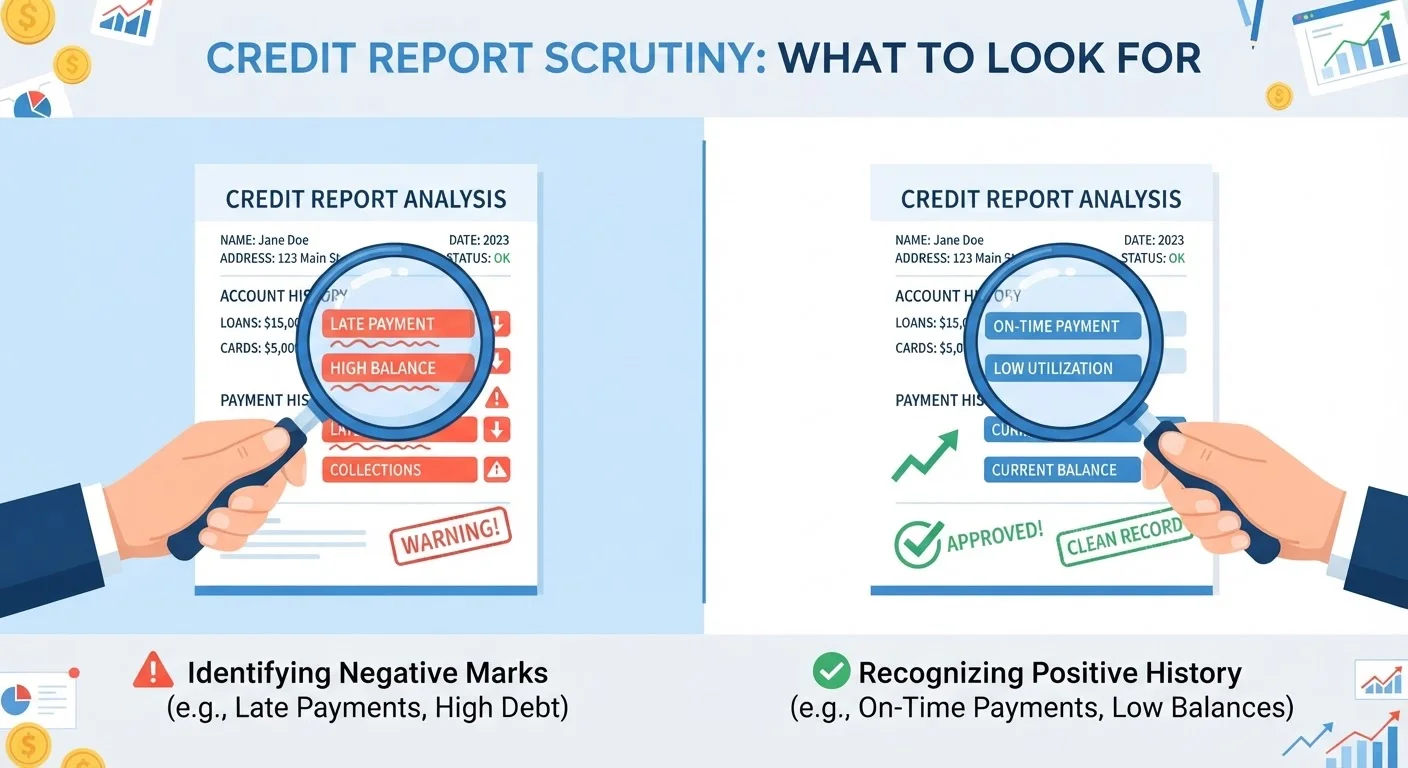
Photo: BridgeWish.com | Reliable Source Of Information editorial
Key Takeaways
- Hard inquiries occur when you apply for credit and can temporarily lower your score by a few points.
- Soft inquiries are invisible to lenders and have zero effect on your credit score.
- Multiple hard inquiries for the same loan type within a short window are typically grouped as one by scoring models.
- You can check your own credit as often as you like - that is always a soft inquiry.
- Hard inquiries remain on your credit report for two years but typically affect your score for about one year.
What Makes an Inquiry 'Hard' or 'Soft'
Every time someone accesses your credit file, it generates an inquiry. But not all inquiries are created equal - what matters is why the credit file was accessed and who initiated it.
A hard inquiry (also called a hard pull) happens when a lender or creditor reviews your credit as part of a formal application for credit - think a mortgage, auto loan, personal loan, or new credit card. You must give explicit consent for a hard pull. Because it signals that you may be taking on new debt, scoring models treat it as a data point worth noting.
A soft inquiry (soft pull) happens when a credit check occurs outside the context of a formal lending decision. Common examples include checking your own credit, an employer running a background check, a landlord screening a rental applicant, or a credit card issuer pre-qualifying you for an offer. Soft inquiries do not require your application - they can happen without you initiating them, and they are never visible to other lenders reviewing your report.
For a deeper look at how your overall report is structured, see our walkthrough of every section of a standard credit report.
| Criterion | Hard Inquiry | Soft Inquiry |
|---|---|---|
| Triggered by | Formal credit application | Background check, pre-approval, self-check |
| Requires your consent | Yes | Not always |
| Visible to other lenders | Yes | No |
| Affects credit score | Yes (small, temporary impact) | No impact |
| Stays on report | 2 years | Visible only on your personal copy |
| Rate-shopping protection | Yes, multiple pulls grouped in window | Not applicable |
How Hard Inquiries Actually Affect Your Score
The concern most consumers have is score impact - and it is worth putting in perspective. A single hard inquiry typically lowers a FICO score by fewer than five points for most people, according to general guidance from FICO. The effect is usually temporary, fading within a few months as other credit behavior dominates the calculation.
<5 pts
Typical score drop per hard inquiry
FICO indicates that for most consumers, a single hard inquiry lowers scores by fewer than five points.
2 years
Hard inquiry stays on credit report
Hard inquiries are reportable for 24 months, though their score impact typically fades after 12 months.
10%
Weight of new credit in FICO scoring
FICO's scoring model allocates roughly 10% of your score to new credit, which includes hard inquiry activity.
Where hard inquiries matter more is in two specific scenarios:
- Many inquiries in a short period across different credit types - applying for a car loan, a store card, and a personal loan in the same week can signal financial stress to lenders.
- Thin credit files - if you have limited credit history, each inquiry represents a larger share of your overall profile, so the relative impact is greater.
There is also an important consumer protection built into scoring models: rate-shopping is treated differently. When you apply to multiple mortgage lenders or auto lenders within a condensed window (typically 14 to 45 days depending on the scoring model), most models count those as a single inquiry. This means comparison shopping for major loans carries much less scoring risk than applying for multiple unrelated credit products.
It is also worth understanding that inquiries are only one factor. Payment history and credit utilization carry far more weight. See our article on how different types of debt affect your credit score for context on the full picture.
What Stays on Your Report and for How Long
Hard inquiries remain visible on your credit report for two years. However, their influence on your actual score generally diminishes after about 12 months. Soft inquiries may also appear on your personal credit report - the one you pull yourself - but they are never shown on the reports lenders see, and they carry no scoring weight at all.
This distinction matters when you review your own file. If you pull your credit report and see a long list of inquiries, do not panic - separate the hard pulls from the soft ones before drawing any conclusions. Our guide on reading your credit report section by section covers exactly how to do that.
You Can't Be Penalized for Checking Your Own Credit
It also helps to understand the relationship between your credit report and your credit score - they are related but distinct documents. Your credit report and credit score serve different purposes, and knowing which one an inquiry affects (the report, and therefore the score) clarifies why this distinction matters.
This article is for general informational and educational purposes only and does not constitute personalized financial or credit advice. Consult a qualified financial professional for guidance specific to your situation.
The content on this site is for informational purposes only and is not a substitute for professional advice. Always consult a qualified professional for guidance specific to your situation.