
Signs Your Debt Load Is Becoming Unmanageable-and What the Signals Mean

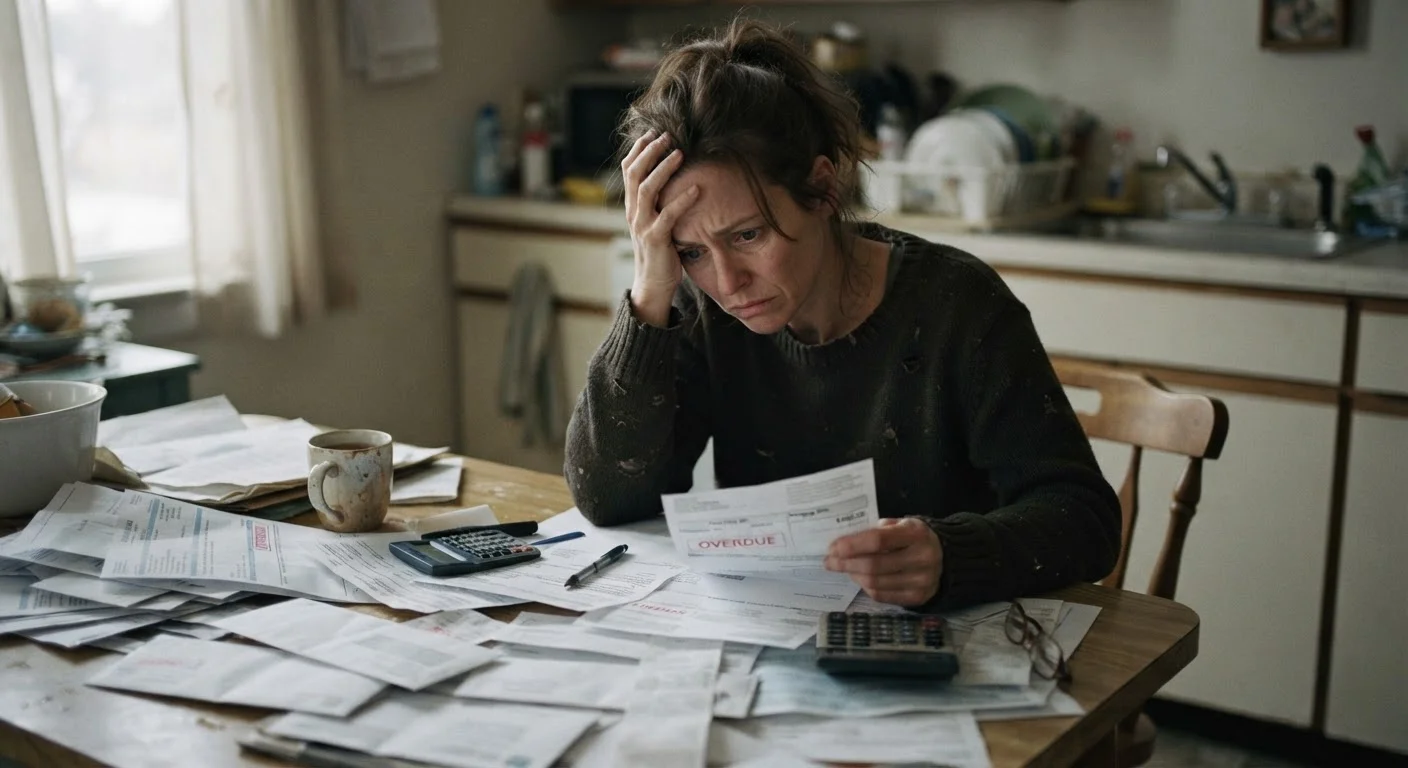
Photo: BridgeWish.com | Reliable Source Of Information editorial
Key Takeaways
- Spending more than 20% of take-home pay on non-mortgage debt payments is a widely used warning threshold.
- Using credit cards to cover basic living expenses is a clear sign debt is outpacing income.
- Only making minimum payments means you may be paying mostly interest, not reducing principal.
- Debt-related stress that affects sleep or relationships warrants both financial and emotional attention.
- Early recognition allows more options - the longer problems go unaddressed, the fewer choices remain.
How Debt Shifts from Manageable to a Problem
Most people carry some debt - a mortgage, a car loan, a credit card balance. That's normal. The line between manageable debt and a genuine financial problem isn't always obvious until you're already on the wrong side of it.
The signals are rarely dramatic at first. They show up as small habits, stretched budgets, and quiet workarounds that gradually become the norm. Understanding what those signals actually mean - not just what they feel like - puts you in a position to respond before options narrow.
This isn't about judgment. Debt can accumulate for all kinds of reasons: a job loss, a medical bill, a divorce, or simply years of income not keeping pace with rising costs. What matters is recognizing the pattern early. Think of this list as a financial check-in, not a report card.
Start with a clear picture of what you owe
For a grounding framework on tracking where your money goes each month, the Budgeting Basics hub covers practical tools for managing household spending.
Warning Signs to Watch For
Your debt-to-income ratio has crept above 20% (excluding housing)
The debt-to-income (DTI) ratio is the percentage of your gross monthly income that goes toward debt payments. A common rule of thumb in personal finance is that non-housing debt payments - credit cards, auto loans, student loans, personal loans - should stay below 20% of take-home pay. When that figure climbs to 30%, 40%, or higher, you have less cushion for emergencies and less flexibility to redirect money toward savings or other priorities.
To calculate yours: add up all monthly minimum payments on non-mortgage debts, then divide by your monthly take-home income. The result is your non-housing DTI. This single number is one of the clearest early indicators that debt load is shifting from ordinary to strained.
Non-housing debt payments above 20% of take-home pay leave little room for emergencies or savings.
You're regularly using credit to cover everyday expenses
There's a meaningful difference between using a credit card for convenience (and paying it off monthly) and using credit because you can't otherwise cover groceries, utilities, or gas. The second pattern signals that your fixed expenses already exceed your income - and that debt is effectively filling the gap.
This creates a compounding problem. Every month you carry a balance, interest accumulates, making next month's balance higher before you've added a single new charge. If this has become a routine rather than an occasional necessity, it's a signal that spending and income need to be realigned - either by reducing expenses, increasing income, or both.
Using credit for basic living expenses means debt is filling an income gap, not just providing convenience.
You're only making minimum payments - month after month
Minimum payments are designed to keep an account in good standing, not to eliminate debt efficiently. On a credit card with a high interest rate, making only the minimum payment means the vast majority of your payment goes toward interest, not principal. The balance can persist - and even grow - for years.
Consistently paying only minimums isn't always a choice; sometimes it's a constraint. But if you can't find room in your budget to pay meaningfully above the minimum on even one account, that's a sign the overall debt burden has outgrown your monthly cash flow. It's worth calculating how long full payoff would take at the current rate - most card issuers are now required to display this on statements.
Minimum payments mostly cover interest - balances can persist for years without meaningful principal reduction.
You've missed payments or are regularly paying late
A single late payment due to an oversight is different from a pattern of missed or late payments. When payments are routinely late, it typically means available cash runs out before the due date - not that you forgot. This is a functional indicator that obligations exceed reliable monthly cash flow.
Late payments also have compounding effects: late fees increase balances, and payment history is the single largest factor in most credit scores. A damaged credit score, in turn, can raise interest rates on future borrowing - making an already stretched budget even tighter. The earlier this pattern is addressed, the more options remain available.
Routine late payments signal cash flow is insufficient to meet obligations - not just a scheduling oversight.
You have no emergency fund and no realistic path to building one
Financial planners broadly recommend maintaining three to six months of essential expenses in an accessible savings account. For most households, that's an aspirational target - but the inability to save anything month to month, even a small amount, is a meaningful warning sign.
When all available cash is consumed by debt payments and fixed expenses, one unexpected cost - a car repair, a medical bill, a furnace replacement - immediately becomes new debt. This cycle, where emergencies are financed because there's no buffer, is one of the most reliable indicators that the overall debt burden has become structurally difficult to manage.
When debt payments leave no room for savings, every unexpected expense becomes new debt - a cycle hard to break.
Debt is causing persistent stress, conflict, or avoidance behaviors
Financial stress is real and measurable. Research consistently links high debt levels to elevated anxiety, disrupted sleep, and relationship conflict. If you find yourself avoiding opening mail, delaying checking your bank balance, or feeling persistent dread around financial topics, those are behavioral signals worth taking seriously - not as personal failures, but as indicators that the situation has grown beyond what feels containable.
Avoidance tends to make underlying debt problems worse, because deadlines pass and options narrow without you realizing it. Naming the stress and addressing the financial root cause - even through small, incremental steps - generally produces better outcomes than waiting for the anxiety to resolve on its own.
Avoiding bills and financial statements is a behavioral signal that debt stress has become difficult to contain.
When debt stress affects your wellbeing
If unmanageable debt is already affecting your sleep, relationships, or mental wellbeing, that stress deserves direct attention too. Signs that everyday stress has crossed into something more serious outlines when financial anxiety may warrant a conversation with a professional.
What These Signals Are Telling You
Each of these warning signs points to the same underlying dynamic: debt is consuming a growing share of your financial life, leaving less room to absorb unexpected costs or make progress on goals.
The good news is that early recognition creates options. If several of these signals apply to your situation, a few starting points are worth considering: mapping your total debt obligations against take-home income, contacting creditors before accounts go delinquent (many have hardship programs that aren't widely advertised), and speaking with a nonprofit credit counselor - the National Foundation for Credit Counseling (NFCC) is one publicly recognized resource.
If consolidation is something you're weighing, it's worth understanding both its genuine uses and its limitations before deciding. Our article on debt consolidation - what it does, what it doesn't, and when it makes sense walks through those tradeoffs. And if you've started a repayment plan that isn't gaining traction, why your debt payoff plan stalls before it starts identifies the common planning errors that derail progress.
Ignoring the signals doesn't make them go away - it typically accelerates the timeline to more serious consequences. For a clear-eyed look at how unpaid debt escalates, what happens to debt when you don't pay covers the process stage by stage.
This article is for general informational purposes only and does not constitute personalized financial, legal, or tax advice. Consult a qualified financial professional for guidance specific to your situation.
The content on this site is for informational purposes only and is not a substitute for professional advice. Always consult a qualified professional for guidance specific to your situation.