
Before You Start Cooking: A Kitchen Readiness Checklist

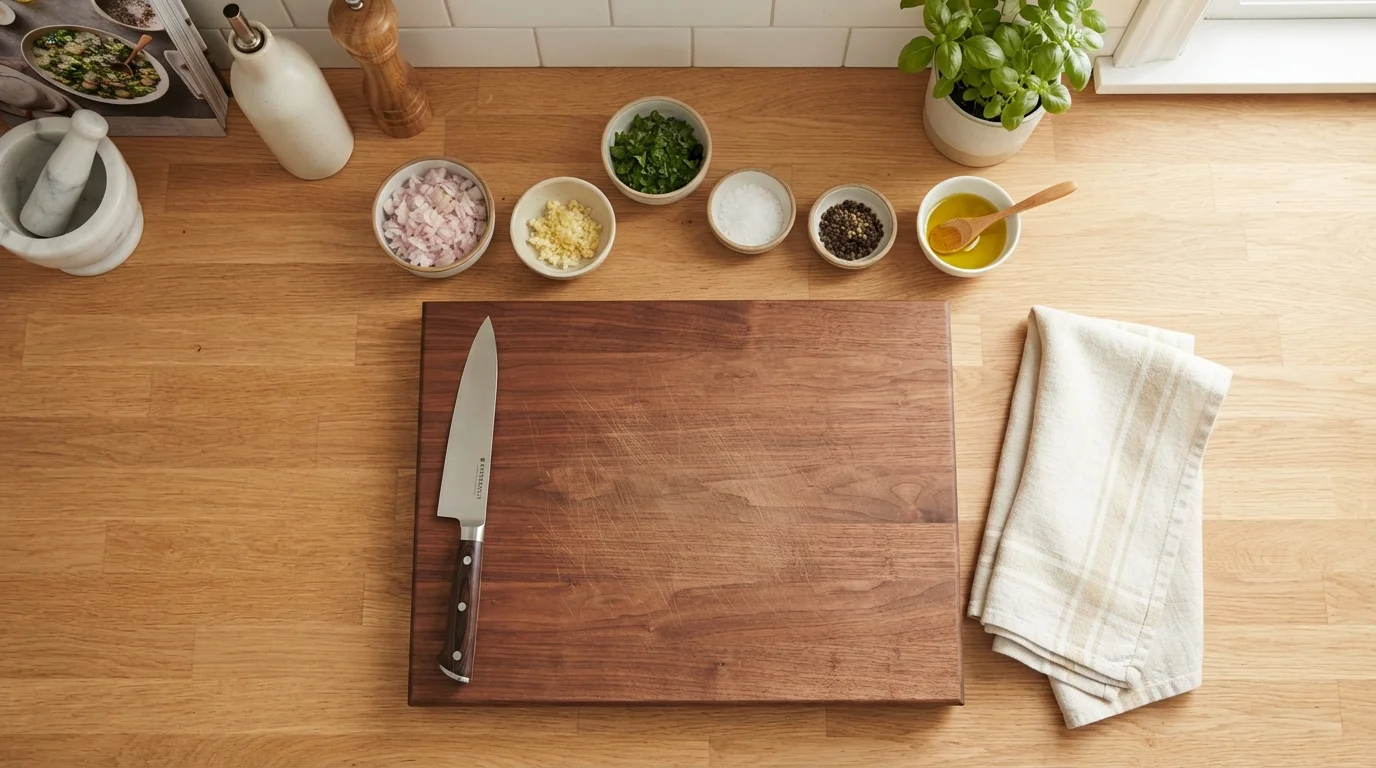
Photo: BridgeWish.com | Reliable Source Of Information editorial
Key Takeaways
- Cleaning and organizing your workspace before cooking reduces cross-contamination risks and saves prep time.
- Sharp, properly stored knives are safer and more effective than dull ones kept loose in a drawer.
- Gathering all tools and ingredients before you start prevents mid-recipe scrambles.
- A preheated pan or oven delivers better, more consistent cooking results.
- Checking your pantry staples and refrigerator regularly prevents last-minute shortages.
Why Kitchen Readiness Matters
Most cooking mistakes don't happen at the stove — they happen before a single ingredient is touched. A cluttered surface, a missing tool, or a cold pan can derail an otherwise solid recipe. This checklist is designed to help you build a reliable pre-cooking routine that removes friction, reduces waste, and makes the whole experience more enjoyable.
Think of it like a pilot's pre-flight check: quick, repeatable, and genuinely consequential. Once this routine becomes habit, you'll notice fewer burnt edges, fewer frantic cabinet searches, and more confidence in the kitchen overall.
If you're also planning your meals with nutrition in mind, pairing this readiness habit with sound eating principles is a natural next step — our Healthy Eating Basics hub covers the core principles of balanced, everyday nutrition.
Workspace & Surface Preparation
Tools & Equipment Check
Ingredients & Pantry Readiness
Heat, Hygiene & Safety
Tools You'll Want on Hand
Running through this checklist doesn't require specialty equipment, but having a few reliable tools makes the process faster and more thorough. Below are the items worth keeping accessible before every cooking session.
Chef's Knife
Your primary cutting tool; needs to be sharp and clean before every session.
Cutting Board
Provides a stable, hygienic surface for all prep work; ideally have separate boards for raw proteins and produce.
Kitchen Scale
Ensures accurate measurements, especially important for baking where volume measurements can vary significantly.
Instant-Read Thermometer
Confirms safe internal temperatures for meat and poultry, removing guesswork from doneness.
Honing Steel or Whetstone
Keeps your knife edge aligned or resharpened so it performs safely and efficiently.
Kitchen Timer
Tracks cook times precisely so you can step away without losing track of critical timing.
One note on knives: if yours feel like they're tearing rather than slicing, they need attention before your next session. Sharp tools aren't just more effective — they're meaningfully safer, because dull blades require more force and are more likely to slip. Our knife skills guide covers both safe handling and the core cuts every home cook should know.
How This Checklist Fits Into Your Cooking Workflow
This kitchen readiness checklist addresses the space and tools side of cooking preparation. It pairs naturally with recipe-specific preparation — reading a recipe through, measuring ingredients in advance, and sequencing your steps. For that layer of preparation, see our companion piece: Before You Start a Recipe checklist.
Together, these two checklists cover the full pre-cooking window: your environment first, then your ingredients and method. Running both — even quickly — takes under 30 minutes and prevents the vast majority of common kitchen slip-ups.
Cross-Contamination Is the Most Common Kitchen Risk
Over time, most of these steps will become automatic. The goal isn't to make cooking feel procedural — it's to eliminate the small friction points that make cooking feel harder than it needs to be.
This article is for general informational and educational purposes. Food safety guidance referenced here is based on widely accepted culinary and food-handling principles; consult official food safety resources for specific concerns.
The content on this site is for informational purposes only and is not a substitute for professional advice. Always consult a qualified professional for guidance specific to your situation.