
The Difference a Sharp Knife Makes — and How to Maintain One

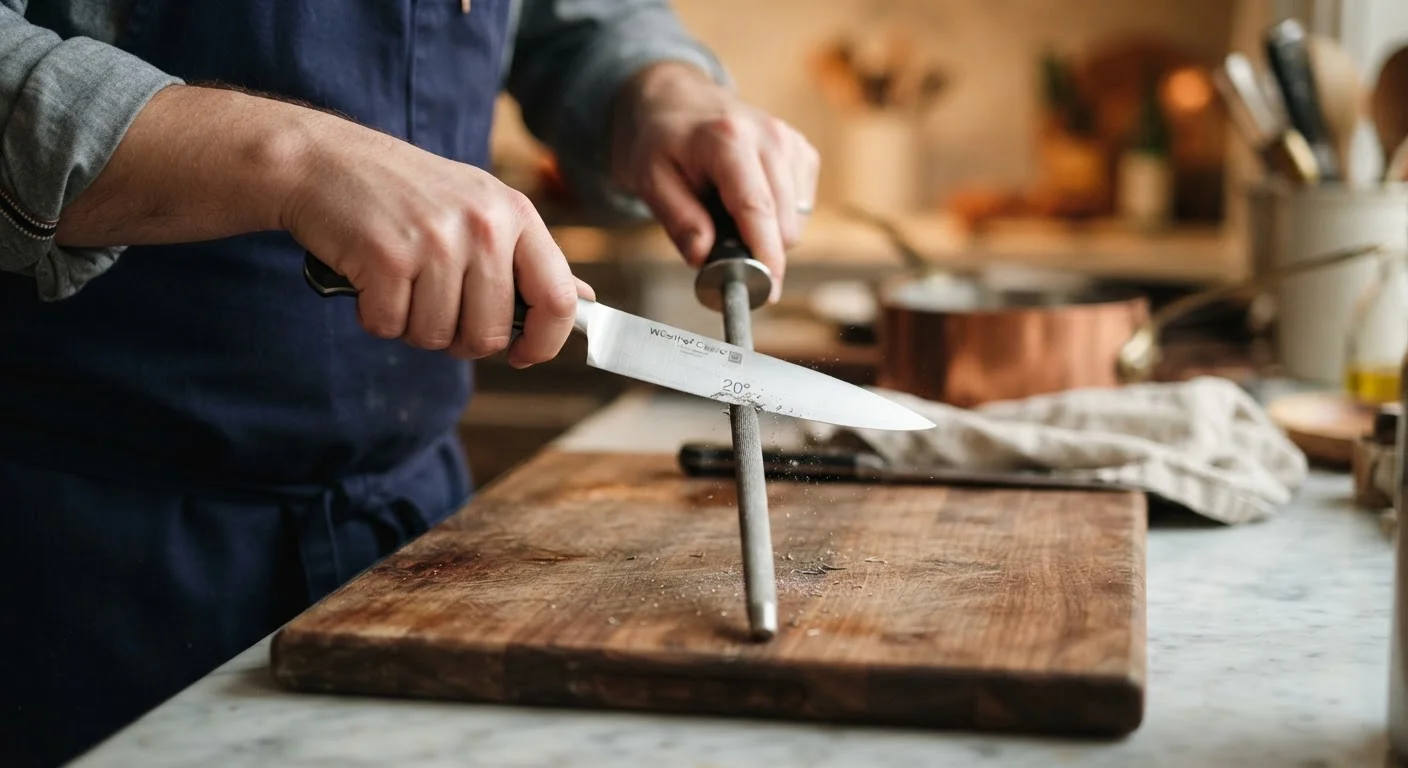
Photo: BridgeWish.com | Reliable Source Of Information editorial
Key Takeaways
- A sharp knife requires less force, making cutting safer and more controlled than a dull blade.
- Honing realigns the blade edge and should be done regularly; sharpening removes metal and is needed less often.
- Proper storage and washing habits extend the time between sharpenings significantly.
- Most home cooks need professional or whetstone sharpening only a few times per year.
Why Sharpness Matters More Than You Think
Most home cooks underestimate how much their knife's condition affects every task at the cutting board. A dull blade doesn't just slow you down — it actively works against you. Because it fails to bite into food cleanly, you compensate by pressing harder, which is precisely when knives slip off curved surfaces like tomato skins or onion layers and toward your fingers.
A sharp knife, by contrast, does the work with minimal pressure. You guide it; it cuts. This control is what professional cooks mean when they say sharpness is a safety issue, not just a performance preference. If you're building foundational kitchen skills, the essential tools for beginner cooks article covers what to prioritize before anything else — and a well-maintained knife is near the top of that list.
“A sharp knife is a safe knife. You're in control of a sharp blade. A dull knife requires force, and force leads to slipping.”
— Jacques Pépin, Chef, culinary educator, and author
Core Practices for Keeping an Edge
Maintaining a sharp knife isn't complicated, but it does require a few consistent habits. Understanding the difference between the tools and techniques involved makes the whole process less intimidating.
Honing vs. Sharpening: Not the Same Thing
Hone your knife before or after each use with a honing steel.
Sharpen your knife on a whetstone or have it professionally sharpened when honing no longer restores performance.
Hand-wash and dry your knives immediately after use — never put them in the dishwasher.
Store knives on a magnetic strip, in a knife block, or with blade guards — never loose in a drawer.
Use a wood or plastic cutting board, not glass, ceramic, or stone.
Quick Actions You Can Take Today
You don't need new equipment or a sharpening lesson to start improving your knife's performance right now. A few immediate steps will make a noticeable difference the next time you cook.
For a broader pre-cooking routine that includes knife readiness alongside other preparation steps, see the kitchen readiness checklist — it's a useful reference before any cooking session.
The Paper Test: Check Your Edge in Seconds
This article provides general cooking guidance for informational purposes. It is not a substitute for professional culinary instruction. Always follow safe knife-handling practices and consult manufacturer guidelines for specific tools.
The content on this site is for informational purposes only and is not a substitute for professional advice. Always consult a qualified professional for guidance specific to your situation.