
Cooking Essentials

Why Your Baked Goods Keep Coming Out Dense

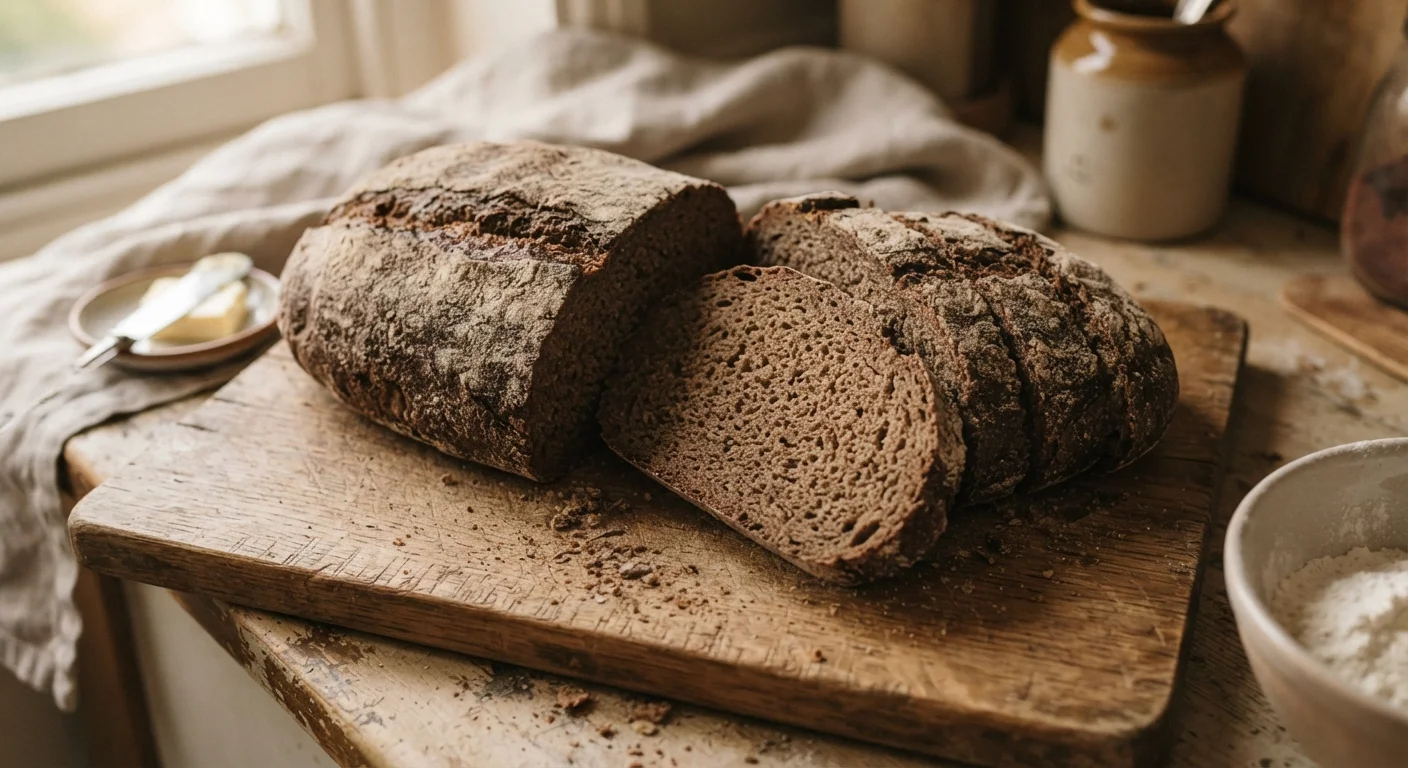
Why Your Baked Goods Keep Coming Out Dense

Photo: BridgeWish.com | Reliable Source Of Information editorial

Dense bread, flat cakes, and gummy muffins usually trace back to a handful of consistent errors. Here's what's going wrong and why.

Key Takeaways

  • Measuring flour by scooping directly from the bag packs it down, adding significantly more than intended.
  • Expired or improperly stored leavening agents are among the most common causes of flat, dense baked goods.
  • Overmixing develops too much gluten in batters, resulting in a tough, heavy final texture.
  • Oven temperature accuracy matters more in baking than in most other cooking — an oven thermometer helps.
  • Ingredient temperature affects how batters come together; cold butter or eggs can disrupt emulsification.

Why Baking Errors Are So Consistent

Unlike stovetop cooking, where you can taste and adjust as you go, baking commits you to every decision you make before the pan goes in the oven. This is part of what makes it feel unforgiving — and why the same problems tend to repeat. As we explain in our overview of baking vs. cooking, baking is fundamentally a chemical process: ratios, temperature, and timing drive the outcome, not intuition alone.

The good news is that dense, gummy, or flat results usually trace back to a short list of consistent mistakes. Identify which one is tripping you up, and most problems become straightforward to fix.

1

Measuring flour by scooping directly from the bag with your measuring cup.

Why it happens: Scooping compresses flour into the cup, often adding 20–30% more than the recipe intends. Most bakers assume a level cup equals a standard cup, regardless of how it was filled.
How to avoid: Spoon flour lightly into the measuring cup and level off the top with a straight edge. Better still, use a kitchen scale — weight measurements eliminate this variable entirely and are how most professional recipes are written.
2

Using leavening agents — baking powder or baking soda — that are past their prime.

Why it happens: Baking powder and baking soda lose potency over time, especially once opened. Because they look and smell normal even when stale, most home bakers use them well past their effective window.
How to avoid: Test baking powder by dropping a teaspoon into hot water — it should bubble vigorously. Test baking soda by adding a small amount to vinegar. If there's little reaction, replace the container. As a general guideline, opened baking powder is typically effective for around six months.
3

Overmixing the batter or dough after adding flour.

Why it happens: Mixing feels like thoroughness. For cake and muffin batters, however, continued stirring after flour is added develops gluten strands that make the crumb tight and chewy rather than tender.
How to avoid: Once you add flour to a wet batter, mix only until no dry streaks remain — some small lumps are fine. For muffins and quick breads, switch from a mixer to a spatula and use a gentle folding motion rather than vigorous stirring.
4

Starting with cold eggs and butter straight from the refrigerator.

Why it happens: Recipes specify "room temperature" ingredients for a reason, but it's easy to skip this step when you're in a hurry. Cold fat doesn't cream properly, and cold eggs can cause batters to look curdled and mix unevenly.
How to avoid: Pull butter and eggs from the fridge at least 30–60 minutes before baking. If you're short on time, cut butter into small cubes to speed warming, or place uncracked eggs in a bowl of warm (not hot) water for 10 minutes.
5

Trusting your oven's dial without verifying the actual temperature.

Why it happens: Most home ovens run hotter or cooler than their display suggests — sometimes by 25°F or more. Bakers rarely realize this until results are consistently off.
How to avoid: Place an inexpensive oven thermometer on the center rack and compare the reading to the dial setting. Adjust your temperature setting accordingly. Also avoid opening the oven door repeatedly during baking, which causes temperature fluctuations that affect rise.
6

Not allowing the oven to fully preheat before loading the pan.

Why it happens: An oven that signals it has reached temperature is not always fully stabilized — the heating elements cycle and the internal temperature can still be uneven at that moment.
How to avoid: Allow the oven to preheat for at least 15–20 minutes after it signals ready. For items that rely on a strong initial heat burst — like bread or popovers — this extra time matters considerably.

Getting the Fundamentals Right

Most of these errors stem from habits that feel reasonable in other cooking contexts — eyeballing quantities, pulling ingredients straight from the fridge, or assuming your oven runs at the temperature it displays. Baking asks you to slow down on those assumptions.

20–30%

Extra flour added by scooping vs. spooning

Food scientists and baking educators consistently note that the scoop-and-pack method can add this much extra flour to a recipe, altering texture significantly.

25°F+

Common oven temperature variance from dial setting

Consumer oven testing has shown that many home ovens deviate from their set temperature by 25°F or more, enough to affect rise and crumb structure.

One of the most useful habits you can build is reading the full recipe before you begin, not just as you go. Our plain-language recipe guide breaks down what terms like "fold," "room temperature," and "just until combined" actually mean — and why following them precisely changes your results.

Properly storing your baking staples matters too. Flour, leavening agents, and fats can all degrade faster than expected. See our guide to food storage mistakes for shelf-life guidance on common pantry ingredients.

Don't Substitute Baking Soda for Baking Powder

These two leavening agents are not interchangeable at equal amounts. Baking soda is roughly three to four times more potent and requires an acid in the recipe to activate. Using baking soda in place of baking powder without adjusting the recipe will likely produce a flat, dense, or oddly flavored result. Always follow the recipe's specified leavening agent.

Making small adjustments — using a kitchen scale, investing in an oven thermometer, letting eggs and butter come to room temperature before you start — requires almost no extra time but meaningfully changes what comes out of your oven. These aren't advanced techniques; they're the baseline habits experienced bakers take for granted.

This article is for general informational and educational purposes only. It does not constitute professional culinary or nutritional advice.

Food Editorial Team

BridgeWish.com | Reliable Source Of Information

Food Editorial Team is the collective byline for our editorial team and contributor network. Articles published under this byline or an editorial pen name are researched, written, and reviewed according to our editorial standards for clarity, consistency, and independence before publication.

Healthy Eating BasicsCooking EssentialsDiet & Food Choices
View author profile

The content on this site is for informational purposes only and is not a substitute for professional advice. Always consult a qualified professional for guidance specific to your situation.