
Food Storage Mistakes That Shorten Shelf Life

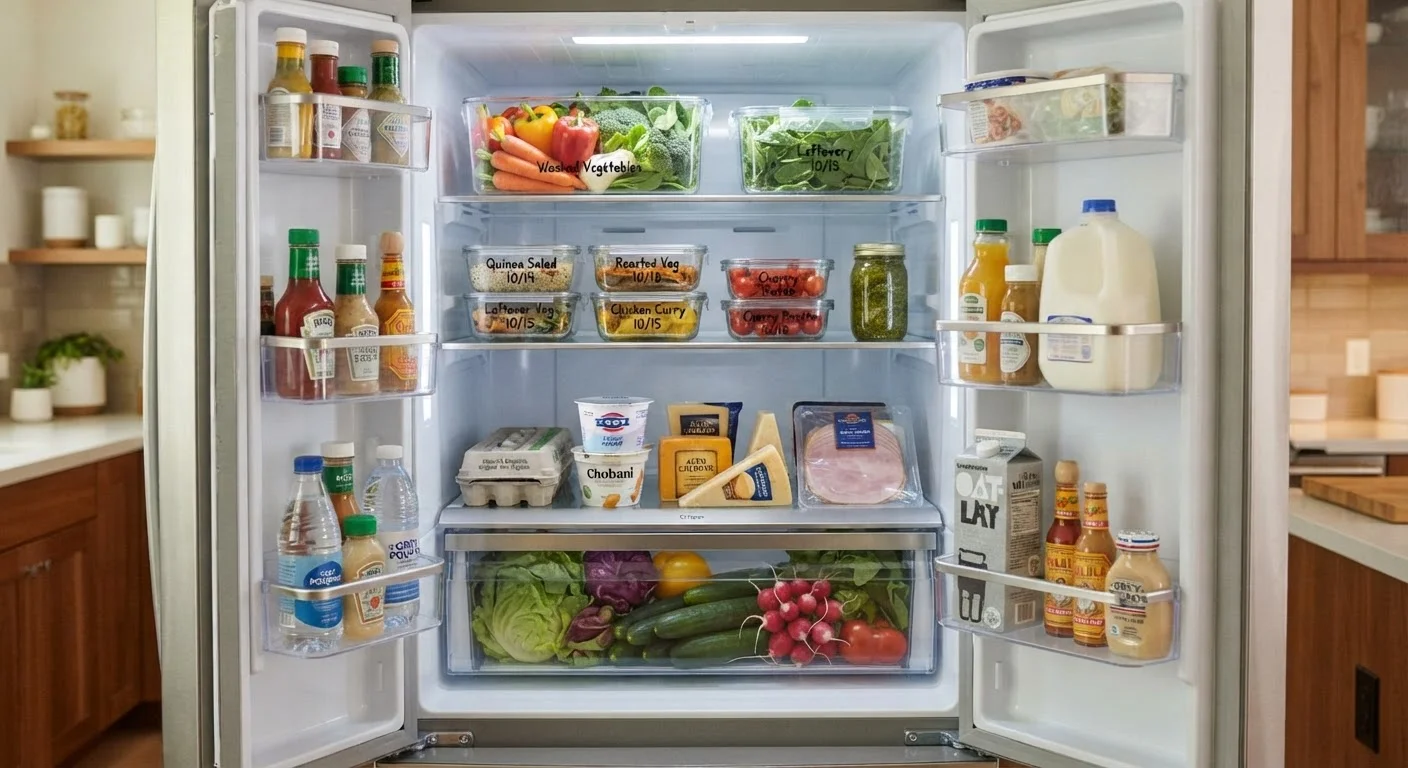
Photo: BridgeWish.com | Reliable Source Of Information editorial
Key Takeaways
- Where you store food matters as much as how you wrap or seal it.
- Most food spoilage and safety issues trace back to a handful of consistent, fixable errors.
- Refrigerator temperature, airflow, and container choice directly affect shelf life.
- Some foods stored together accelerate each other's spoilage through ethylene gas or moisture transfer.
- Good storage habits reduce both food waste and the risk of foodborne illness.
Why Storage Habits Have Such a Big Impact
Freshness doesn't start at the stove — it starts the moment groceries enter your kitchen. How you handle food between the store and the meal determines whether ingredients stay safe to eat, retain their nutritional value, and actually taste the way they should. Small habits, repeated daily, compound into either preserved food or wasted money.
Most food spoilage at the household level isn't random. It follows predictable patterns tied to temperature, airflow, container choice, and where specific foods are placed. Understanding those patterns gives you real control over your kitchen. For a broader look at building smart shopping habits that feed into good storage, see our guide on grocery shopping habits that support a healthier diet.
30–40%
Food supply lost or wasted in the US
According to the USDA, approximately 30 to 40 percent of the US food supply is lost or wasted, with improper storage being a significant contributing factor at the consumer level.
40°F or below
Safe refrigerator temperature
The USDA recommends keeping your refrigerator at or below 40°F (4°C) to slow bacterial growth; many home refrigerators run warmer than their owners realize.
Common Food Storage Mistakes — and What to Do Instead
The following mistakes show up consistently across home kitchens. Each one is fixable with a small adjustment — no special equipment or expertise required.
Storing the refrigerator at the wrong temperature — or never checking it at all.
Storing produce that should stay at room temperature in the refrigerator.
Storing ethylene-producing fruits alongside ethylene-sensitive vegetables.
Leaving hot or warm food out too long before refrigerating.
Using the wrong containers — or none at all.
Storing bread in the refrigerator to make it last longer.
Don't Store Raw Meat on Upper Shelves
Getting the basics right also helps you get more value from a well-stocked pantry. See The Home Cook's Pantry for a practical look at which shelf-stable ingredients deserve permanent space — and how to store them correctly.
Building Storage Habits That Actually Stick
The goal isn't a perfectly organized kitchen — it's a consistent routine that keeps food safer and lasts longer with minimal effort. A few habits make the biggest difference:
- Unpack groceries with intention. Put items away in their correct zones — fridge, freezer, or pantry — rather than defaulting to wherever there's space.
- Label and date leftovers. A piece of masking tape and a marker takes five seconds and removes all guesswork.
- Do a weekly fridge audit. A quick scan before grocery shopping helps you use what's already there and avoid buying duplicates that crowd storage space.
Food Safety Is Non-Negotiable
Better storage connects directly to better meal prep. Once your ingredients are handled correctly, you're in a much stronger position to cook efficiently. Our prep checklist before starting a recipe shows how a few minutes of upfront organization prevents the most common kitchen missteps. And if you're building out your pantry alongside these habits, stocking a kitchen for nutritious everyday cooking offers a practical starting framework.
This article is for general informational purposes only. For personal food safety concerns, especially for high-risk individuals, consult a qualified healthcare or food safety professional.
The content on this site is for informational purposes only and is not a substitute for professional advice. Always consult a qualified professional for guidance specific to your situation.