
Grocery Shopping Habits That Support a Healthier Diet

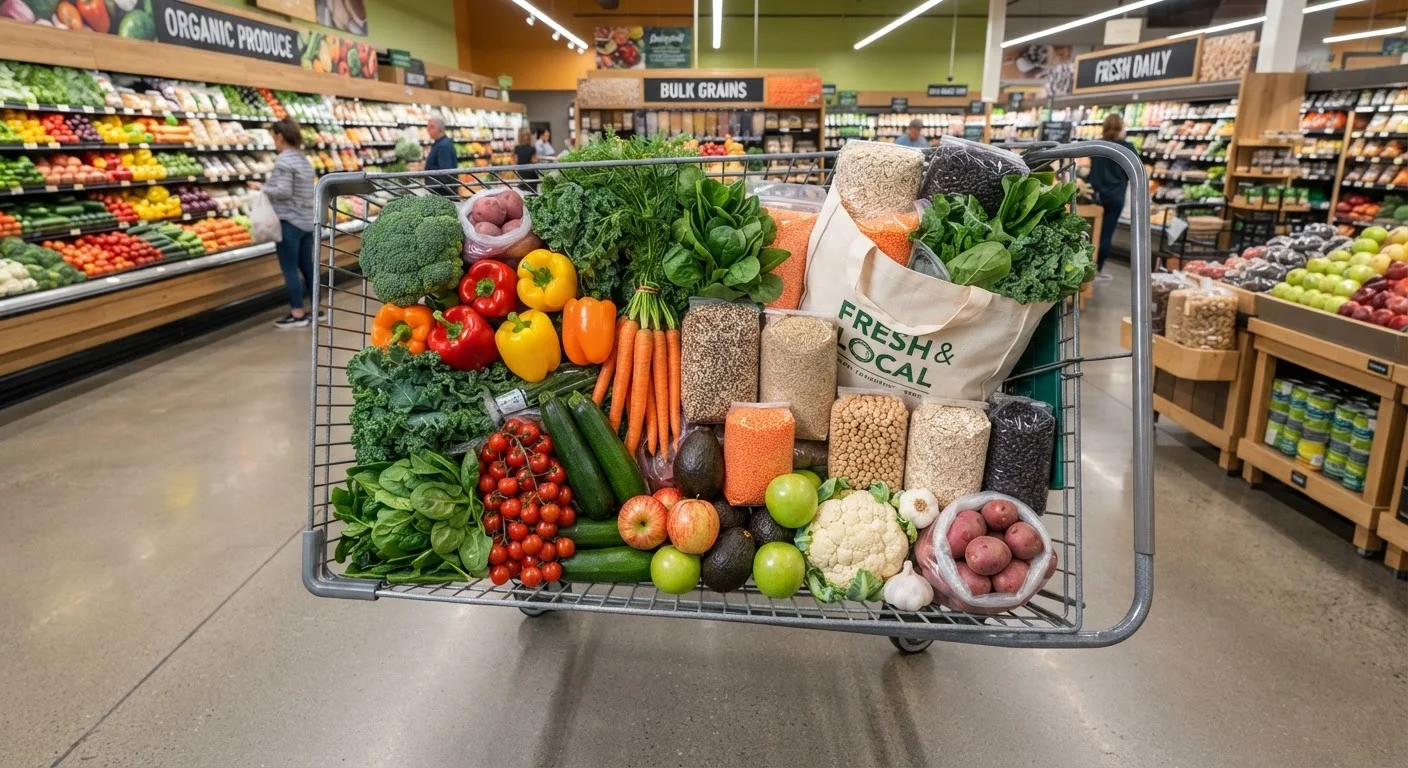
Photo: BridgeWish.com | Reliable Source Of Information editorial
Key Takeaways
- Shopping with a list reduces impulse purchases and helps you stick to nutrient-dense choices.
- Store layout is designed to move you past processed foods — knowing this helps you navigate intentionally.
- Front-of-package health claims are marketing tools, not nutrition guarantees; check the Nutrition Facts panel instead.
- Frozen and canned produce can be just as nutritious as fresh, and often more affordable.
- Eating before you shop and setting a loose meal plan beforehand both reduce unplanned purchases.
Why Your Shopping Habits Shape Your Diet
What you eat at home starts with what you put in your cart. Yet most people navigate the grocery store on autopilot — grabbing familiar items, responding to packaging cues, and making decisions under time pressure. Building a few deliberate habits around how you shop can shift your overall diet without requiring dramatic overhauls to what you cook or how much you spend.
This checklist walks through the most impactful habits — from pre-trip planning to how you read a label — so you can audit your current routine and find where small changes will have the biggest payoff. For a deeper look at how to interpret what's on food packaging, see our guide on reading a Nutrition Facts label without the confusion.
This Is General Guidance, Not Medical Advice
These habits are general guidance for healthy adults. If you manage a chronic health condition, food allergy, or specific dietary requirement, work with a registered dietitian to tailor your grocery strategy to your individual needs.
Before You Go: Planning Sets You Up to Succeed
The decisions you make before entering the store are often more powerful than the ones you make inside it. A few minutes of planning at home — taking stock of what you already have, sketching out a few meals for the week, and writing a list — can dramatically reduce both impulse spending and nutritional gaps.
Pre-Trip Planning
Navigating the Store
Label Reading and Packaging
Building a Balanced Cart
If budget is a factor in your planning, evidence-based strategies for eating well without overspending can help you prioritize which staples give you the most nutritional return.
In the Store: How to Navigate the Aisles
Supermarket layouts are deliberately designed to maximize exposure to high-margin products. Knowing a few common patterns — processed snacks at eye level, essentials like dairy and produce at the perimeter, checkout lanes stocked with candy — helps you shop with intention rather than drift.
Don't Judge Frozen and Canned by Perception Alone
Frozen vegetables, canned legumes, and shelf-stable whole grains are nutritionally solid options that are often overlooked. Don't treat the frozen and canned aisles as nutritional dead zones — many items there rival or match fresh alternatives in key nutrients. For details on how storage affects food quality, see our piece on food storage mistakes that shorten shelf life.
Written or Digital Shopping List
Keeps you focused on planned purchases and reduces impulse buys that undermine your nutrition goals.
Weekly Meal Plan (Loose)
Even a rough outline of three to five meals guides your list and ensures you buy ingredients you'll actually use.
Grocery Store App or Circular
Helps you identify seasonal produce and weekly sales so you can plan nutritious meals around what's affordable.
Unit Price Reference (Shelf Tag)
Lets you compare cost per ounce or unit across different sizes and brands to get the best nutritional value for your budget.
Reading Labels and Health Claims
Front-of-package language like "natural," "multigrain," or "made with real fruit" is marketing copy, not a nutrition standard. The only reliable information on a food package is the Nutrition Facts panel and the ingredients list. Learning to use both takes practice but pays off every time you shop.
Key things to check: serving size (everything else on the label is based on this), added sugars (listed separately under Total Sugars since 2020), sodium, and the ingredients list — where items are listed by weight, meaning the first few ingredients make up most of the product. If whole foods appear near the bottom and refined ingredients dominate the top, that tells you something useful about the product's overall quality.
For a structured walkthrough of the panel itself, our article on decoding the Nutrition Facts label covers serving sizes, daily values, and ingredient lists in plain language. If you're curious about how your snack choices fit into your broader diet, snacking habits that quietly undermine a good diet is worth a read alongside this checklist.
The content on this site is for informational purposes only and is not a substitute for professional advice. Always consult a qualified professional for guidance specific to your situation.