
Snacking Habits That Undermine an Otherwise Good Diet

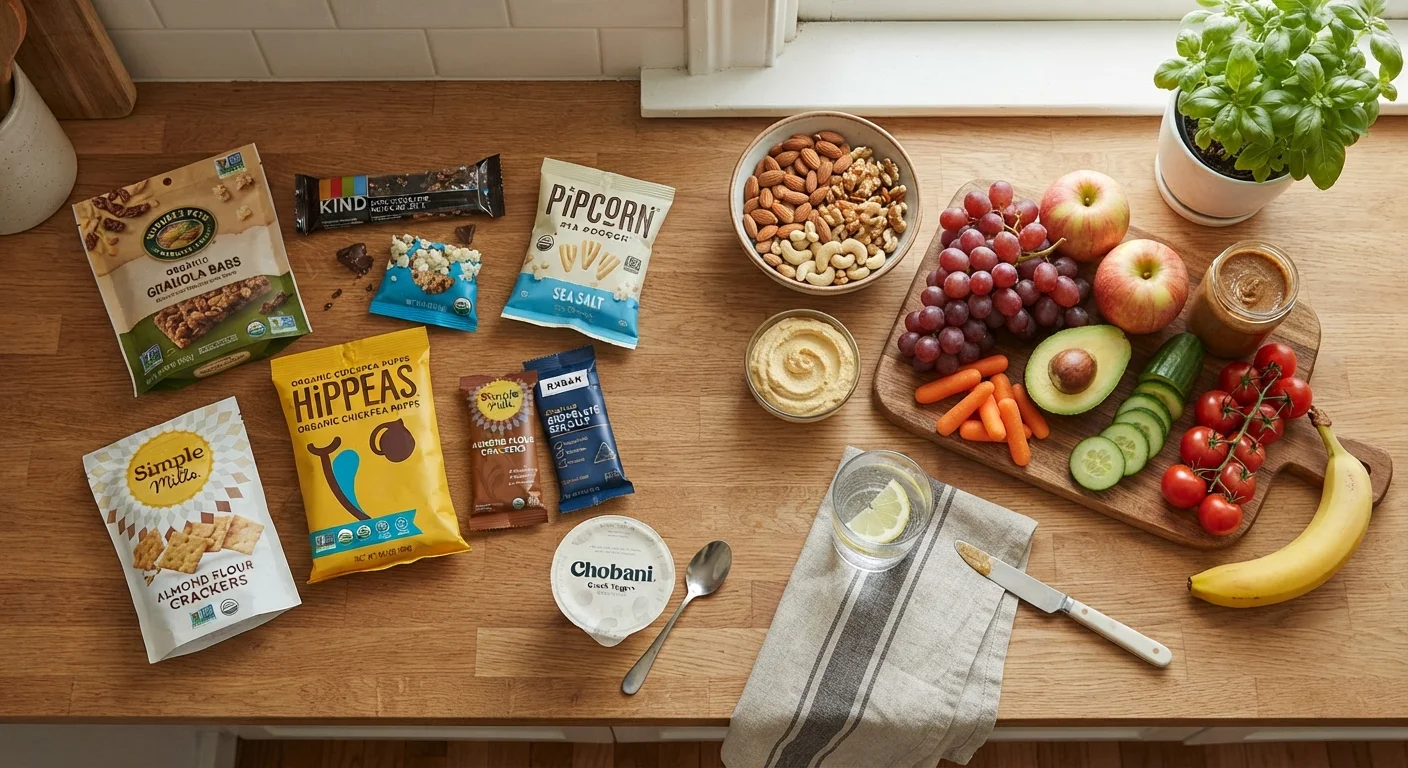
Photo: BridgeWish.com | Reliable Source Of Information editorial
Key Takeaways
- Mindless portion sizes turn even nutritious snacks into a source of excess calories.
- Many 'health-labeled' snacks carry as much added sugar or sodium as their junk-food counterparts.
- Pairing protein or fiber with carbohydrates helps snacks satisfy hunger instead of fueling it.
- Eating from the original package makes it easy to lose track of how much you've consumed.
- Snacking out of boredom or habit—not hunger—undermines dietary goals without you noticing.
Why Good Diets Can Quietly Unravel at Snack Time
Most people who eat well at mealtimes don't think of snacking as the weak link in their diet. Yet the gap between breakfast and lunch, that mid-afternoon lull, or the wind-down before bed is exactly where excess sodium, sugar, and empty calories slip in. The problem usually isn't the snack itself — it's the habits surrounding it.
Understanding where those habits go wrong is the first step to fixing them without giving up snacks altogether. See how these patterns connect to broader nutrition reasoning that often backfires — many of the same cognitive shortcuts show up here.
Eating directly from the package instead of portioning out a serving.
Trusting 'healthy' or 'natural' labels without reading the nutrition facts.
Snacking in response to boredom, stress, or habit rather than hunger.
Choosing snacks that are all refined carbohydrates with no protein or fat.
Drinking high-calorie beverages alongside snacks without accounting for them.
Relying on the same two or three packaged snacks on autopilot.
Making Snacks Work For You, Not Against You
None of this means eliminating snacks. Strategic snacking — eating intentionally in response to genuine hunger — can help maintain energy levels and prevent overeating at meals. The key is building snacks the same way you'd build a small meal: a source of protein or healthy fat paired with fiber-rich carbohydrates.
~57%
Of daily calories from ultra-processed foods
Research published in BMJ Open estimated that ultra-processed foods account for roughly 57% of daily energy intake among US adults, with snack foods contributing a substantial share.
17g
Average added sugar in one flavored yogurt cup
Many individually packaged flavored yogurts contain more added sugar than the American Heart Association's recommended daily limit for children (25g), making label-reading essential.
Think plain Greek yogurt with berries, a small handful of unsalted nuts with an apple, or hummus with raw vegetables. These combinations slow digestion and keep you fuller longer — unlike a sleeve of crackers or a "protein" bar loaded with added sugar.
If you're looking for practical ways to keep better options available without extra effort, our guide for busy schedules covers realistic strategies that don't require much planning. You'll also find it easier to snack well when your pantry is stocked thoughtfully — the grocery shopping habits guide walks through how to read labels and navigate the store with a clear head.
Snacks also represent a low-stakes opportunity to fill nutritional gaps — particularly vegetables. Most of us fall short on a wider variety than we realize. See which vegetables you're probably undereating for simple ways to work them in between meals.
Budget-Friendly Doesn't Mean Nutritionally Poor
This article is for general informational purposes only and is not a substitute for personalized nutrition or medical advice. Consult a qualified healthcare professional or registered dietitian for guidance specific to your health needs.
The content on this site is for informational purposes only and is not a substitute for professional advice. Always consult a qualified professional for guidance specific to your situation.