
Eating Well on a Budget: What Nutrition Research Actually Supports

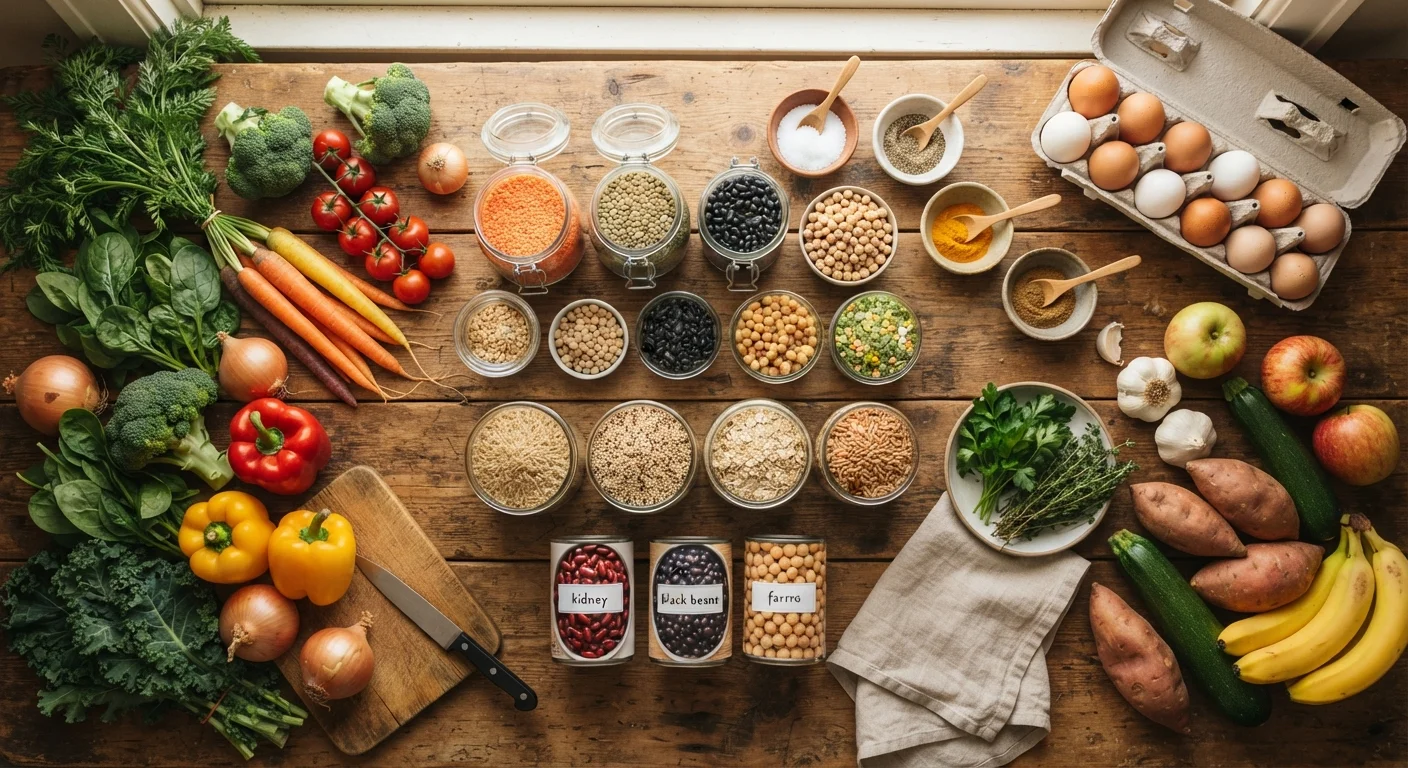
Photo: BridgeWish.com | Reliable Source Of Information editorial
Key Takeaways
- Whole grains, legumes, eggs, and frozen vegetables deliver strong nutrition at low cost per serving.
- Meal planning reduces food waste and prevents costly impulse purchases at the grocery store.
- Expensive superfoods and supplements are rarely necessary for a nutritionally complete diet.
- Cooking at home, even occasionally, is one of the most evidence-supported ways to improve diet quality.
- Canned and frozen produce are nutritionally comparable to fresh and often more affordable.
The Science Behind Budget-Friendly Nutrition
A persistent myth holds that eating nutritiously is inherently expensive. Nutrition research tells a more nuanced story. Studies consistently show that the most nutrient-dense foods on a cost-per-serving basis — legumes, whole grains, eggs, canned fish, and frozen vegetables — are among the least costly items in any supermarket. The disconnect often comes from comparing nutrient density by calorie rather than by dollar, which skews results toward processed snack foods that appear cheap but deliver little nutritional value.
For a grounding in the fundamentals behind these food choices, the Nutrition Basics hub is a solid starting point. The key principle researchers return to repeatedly: dietary quality is determined by overall patterns, not individual "superfoods." A diet built around affordable staples can meet most nutrient needs for most healthy adults. This article is for general informational purposes and is not a substitute for personalized guidance from a registered dietitian or healthcare provider.
~$1.50
Average cost per serving of dried legumes
USDA food cost analyses consistently rank dried beans and lentils among the lowest-cost protein sources available in US supermarkets.
31%
Of US food at home goes to waste
According to USDA estimates, roughly a third of food purchased for home consumption is wasted — making waste reduction one of the highest-impact budget strategies.
Staple Foods That Anchor a Nutrient-Rich, Low-Cost Diet
Certain foods consistently earn high marks in both nutrition research and cost analyses. Building meals around these staples is the most straightforward strategy for eating well without overspending.
Build meals around legumes at least three times per week.
Keep whole grains — oats, brown rice, barley — as your primary carbohydrate source.
Use frozen vegetables as your default, reserving fresh for what you will eat within two to three days.
Cook larger batches and repurpose intentionally.
Choose eggs as a versatile, affordable animal protein.
For more on how these staples fit into your shopping routine, see grocery shopping habits that support a healthier diet.
Meal Planning: The Habit That Makes Everything Else Work
Even the most affordable food budget erodes quickly without a plan. Research on household food expenditure consistently links meal planning to lower grocery spending, less food waste, and better overall diet quality. The mechanism is straightforward: knowing what you will cook means you buy what you need and use what you buy.
Planning does not require rigid schedules. Even loosely sketching three to four dinners for the week — and thinking through how leftovers can become lunch — provides enough structure to reduce waste meaningfully. For a practical framework that covers all meals of the day, a practical day-in-the-life eating framework offers useful structure without overhauling your routine.
“The single most powerful thing most people can do for their diet and their budget is to cook more of their own food. It does not have to be elaborate — even simple, home-prepared meals tend to be more nutritious and far less expensive than the alternatives.”
— Walter Willett, Professor of Epidemiology and Nutrition, Harvard T.H. Chan School of Public Health
Common Trade-offs Worth Understanding
Budget eating involves real trade-offs, and being honest about them helps you make better decisions rather than feeling like you have failed when a perfect scenario is not possible.
Fresh vs. frozen vs. canned produce: Frozen and canned vegetables are processed at peak ripeness, preserving most of their nutrients. Research shows minimal meaningful nutritional difference between well-chosen frozen or low-sodium canned options and their fresh counterparts. Choosing frozen or canned is not a compromise — it is often the smarter call.
Organic vs. conventional: Current evidence does not establish that organic produce is meaningfully more nutritious for most consumers. For budget-conscious shoppers, prioritizing conventional produce over skipping vegetables entirely is the more nutritionally sound choice.
Protein sources: Plant proteins — beans, lentils, tofu — cost a fraction of most animal proteins while delivering comparable protein and additional fiber. Mixing protein sources across the week supports both nutrition goals and budget flexibility. Eggs and canned tuna or sardines remain cost-effective animal protein options when preferred.
For a deeper look at which nutrient-dense foods offer strong value for the money, navigating nutrition on a budget covers the trade-offs in detail. You can also explore how your broader diet and food choices shape wellbeing over time.
A Note on Supplements and Fortified Foods
This article is for general informational purposes only and does not constitute medical or dietary advice. For personalized guidance, consult a registered dietitian or qualified healthcare professional.
The content on this site is for informational purposes only and is not a substitute for professional advice. Always consult a qualified professional for guidance specific to your situation.