
Navigating Nutrition on a Budget: What's Worth Prioritizing

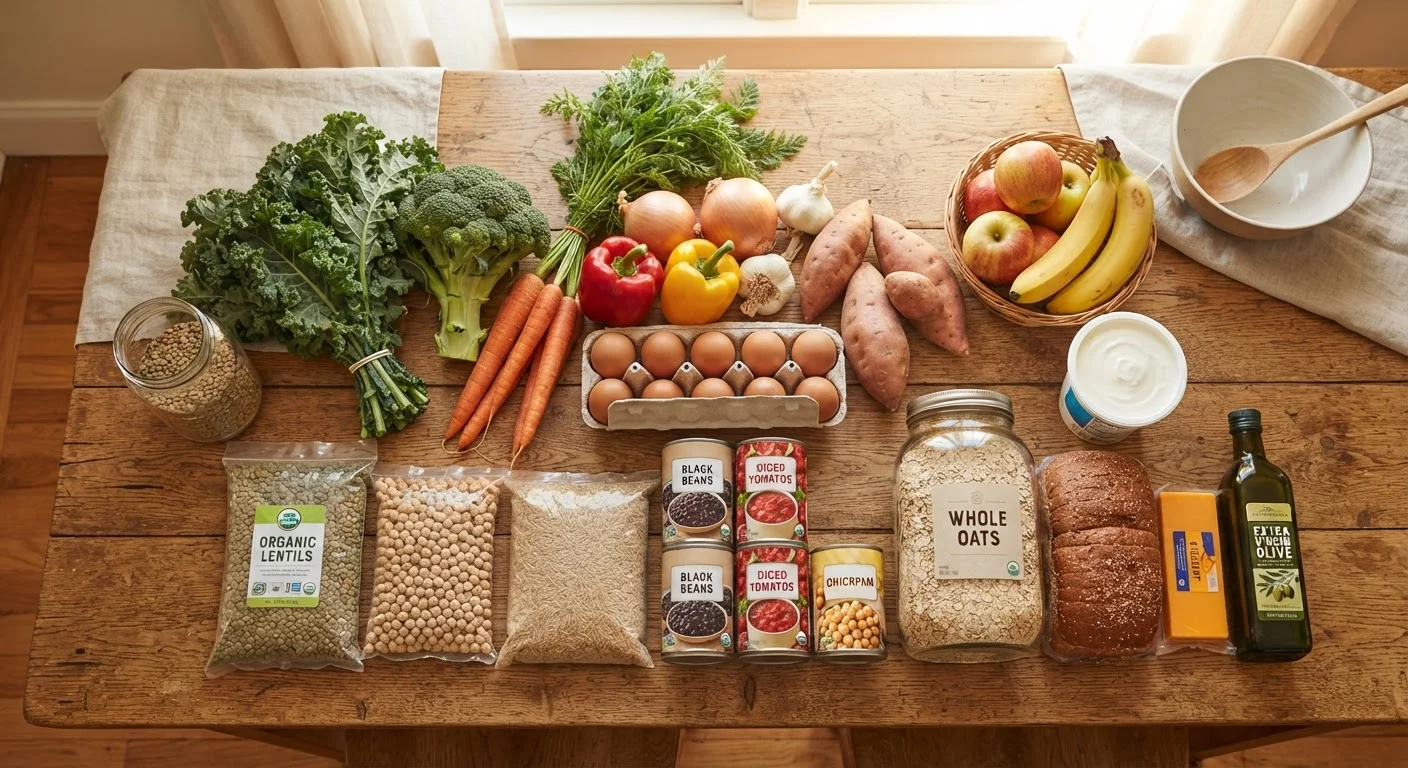
Photo: BridgeWish.com | Reliable Source Of Information editorial
Key Takeaways
- Nutrient-dense staples like legumes, eggs, and frozen vegetables deliver strong nutritional value at low cost.
- Planning meals around whole, minimally processed foods reduces both spending and nutritional gaps.
- Prioritizing protein and fiber helps sustain energy and satisfaction without expensive specialty items.
- Frozen and canned produce are nutritionally comparable to fresh and often significantly cheaper.
- Avoiding premium 'superfood' trends can free up budget for foundational everyday ingredients.
Why Budget Nutrition Is a Skill, Not a Compromise
The widespread belief that eating well is inherently expensive keeps many people from trying. In reality, a nutritious diet and a tight grocery budget are far more compatible than popular food culture suggests. What it takes is a clearer understanding of where nutritional value actually lives — and where marketing inflates price without adding meaningful benefit.
Nutrition is largely about consistent patterns: getting adequate protein, fiber, vitamins, and minerals across your meals over time. None of those goals require expensive ingredients. The challenge is knowing which affordable foods deliver the most, and how to build meals around them reliably. For a broader look at the evidence behind budget eating, see our guide on what nutrition research actually supports.
A Note on Individual Nutritional Needs
Best Practices for Maximizing Nutrition Per Dollar
The following practices reflect principles supported by nutrition science and practical dietary guidance. They are not rules to follow rigidly, but priorities worth understanding so you can apply them to your own household and habits.
Build meals around legumes as a primary protein and fiber source.
Choose frozen and canned vegetables over skipping vegetables due to cost.
Prioritize eggs as an affordable, versatile whole-food protein.
Anchor your pantry in whole grains rather than refined grain products.
Skip premium 'superfood' products and redirect that spending toward foundational staples.
Quick Actions You Can Take at Your Next Shopping Trip
Knowing the principles is one thing — translating them into a grocery run is another. These immediate actions give you a starting point without requiring a full meal-plan overhaul. For a more comprehensive approach to navigating the store, our grocery shopping with nutrition in mind checklist can help.
It also helps to be aware of common reasoning patterns that quietly undermine nutrition goals — things like chasing trendy superfoods or cutting whole food groups. Our article on nutrition thinking that often backfires breaks down the most frequent missteps.
What the Numbers Say About Budget Eating
Research and nutritional data consistently support the idea that the most affordable staple foods are also among the most nutritious. Understanding a few key figures can help reinforce why these priorities are worth sticking with.
~$0.25
Cost per serving of dried lentils
Dried lentils consistently rank among the lowest-cost protein and fiber sources per serving available in US grocery stores, based on general USDA food price data.
90%+
Nutrient retention in frozen vegetables
Studies published in nutrition journals indicate frozen vegetables retain the majority of their vitamins and minerals when blanched and flash-frozen at harvest.
6g
Protein per large egg
According to USDA nutritional data, one large egg provides approximately 6 grams of high-quality complete protein along with key vitamins and choline.
These figures aren't meant to prescribe exact amounts for any individual — nutritional needs vary based on age, health status, and other factors. If you have specific health conditions or dietary concerns, consulting a registered dietitian or your healthcare provider is always the right step. You can also explore how needs shift across different life stages in our piece on nutrition across life stages.
This article provides general nutrition education and is not a substitute for personalized medical or dietary advice. Speak with a qualified healthcare professional for guidance specific to your health needs.
The content on this site is for informational purposes only and is not a substitute for professional advice. Always consult a qualified professional for guidance specific to your situation.