
Nutrition Basics

Grocery Shopping with Nutrition in Mind

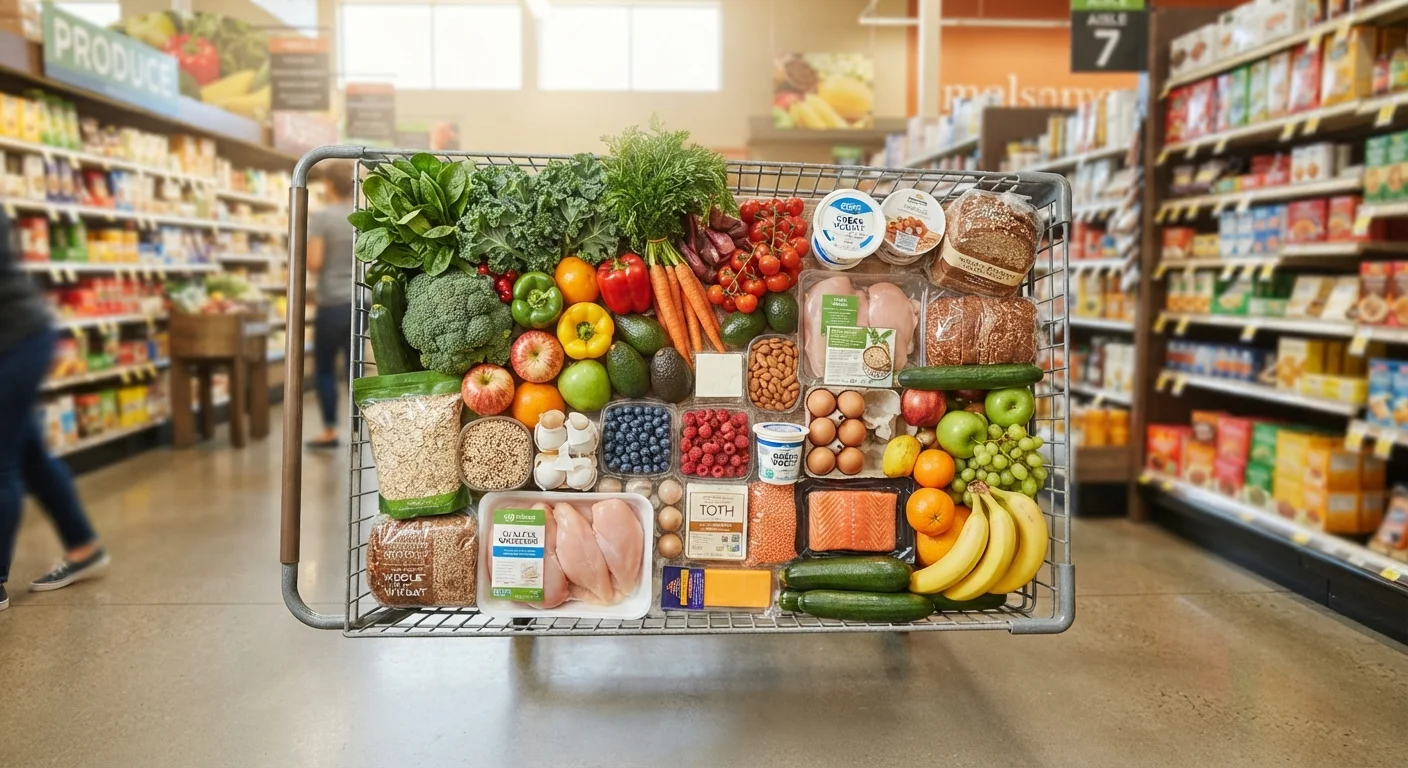
Grocery Shopping with Nutrition in Mind

Photo: BridgeWish.com | Reliable Source Of Information editorial

A practical checklist for navigating the supermarket in a way that supports a balanced, nutrient-rich diet.

Key Takeaways

  • Shopping with a plan significantly reduces impulse purchases of low-nutrient foods.
  • Most whole, minimally processed foods offer superior nutritional value per dollar.
  • Reading the Nutrition Facts label helps you compare products beyond front-of-pack claims.
  • A cart that reflects all food groups supports balanced daily nutrition.
  • Frozen and canned options can be just as nutritious as fresh when chosen carefully.

Why Intentional Grocery Shopping Matters

The decisions you make at the supermarket directly shape what ends up on your plate — and over time, those choices have a measurable effect on overall diet quality. Research consistently shows that planning ahead, understanding food labels, and building a cart around whole, minimally processed foods are among the most effective strategies for eating a more balanced diet.

This checklist is designed to help you move through the store with clarity and confidence. Whether you're refining existing habits or starting fresh, working through these steps before and during your shop can make a meaningful difference. For guidance on what to do once you get home, see our kitchen stocking checklist for nutritious everyday cooking.

This article provides general nutrition information for educational purposes. It is not a substitute for personalised advice from a registered dietitian or qualified healthcare provider.

Required

Weekly meal plan or shopping list

Organising your shop by planned meals reduces unplanned purchases and helps ensure all food groups are covered.

Required

Nutrition Facts label knowledge

Understanding serving sizes, %DV, and ingredient order helps you compare products accurately at the shelf.

Optional

Smartphone or notes app

Useful for keeping a running list, checking pantry stock remotely, or looking up unfamiliar ingredients in-store.

Optional

Reusable bags by food type

Separating produce, proteins, and pantry items during shopping reduces cross-contamination and speeds up unpacking.

Your Nutrition-Focused Shopping Checklist

Work through the checklist groups below before and during your store visit. Items marked must are the non-negotiable foundations of a nutrition-focused shop; should items strengthen your approach; and nice-to-have steps refine it further.

Before You Leave Home

Review your meals for the week and write a shopping list organised by food group before heading to the store. Must
Check your pantry and fridge to avoid buying duplicates and to identify genuine nutritional gaps. Must
Eat a light snack before shopping — going in hungry increases the likelihood of impulse purchases of high-calorie, low-nutrient items. Should
Set a rough budget per food group (produce, proteins, grains, dairy or alternatives) to guide spending priorities. Nice to have

Produce and Fresh Foods

Aim for a variety of colourful fruits and vegetables — different pigments generally indicate different beneficial nutrients and plant compounds. Must
Include at least one dark leafy green (such as spinach, kale, or collard greens) for folate, iron, and vitamins A, C, and K. Should
Choose whole fruits over fruit juices, which typically lack the fiber present in the whole food. Should
Add frozen or canned vegetables without added salt or sauce as affordable, nutritionally comparable alternatives to fresh. Nice to have

Proteins

Include a variety of protein sources across the week — fish, poultry, legumes, eggs, and nuts each contribute different nutrients. Must
Select lean or minimally processed cuts of meat and poultry where possible, and limit processed meats such as sausages and deli meats. Should
Include at least one plant-based protein option — beans, lentils, tofu, or tempeh — to add fiber and reduce saturated fat intake. Should
Choose canned fish packed in water rather than oil to help manage total fat and calorie intake. Nice to have

Grains and Starches

Select whole grain options — bread, pasta, rice, oats — over refined grain versions; look for "whole grain" or "whole wheat" as the first ingredient. Must
Check labels on grain products for added sugars, particularly in cereals, granola bars, and flavoured instant varieties. Should
Include starchy vegetables such as sweet potatoes and squash as nutrient-dense carbohydrate sources. Nice to have

Dairy and Alternatives

Choose low-fat or fat-free dairy products if your overall saturated fat intake is a concern, based on your healthcare provider's guidance. Should
If selecting non-dairy alternatives such as oat, soy, or almond drinks, choose versions fortified with calcium and vitamin D. Must
Check added sugar levels in flavoured yogurts and non-dairy beverages — plain or unsweetened varieties are often significantly lower. Should

Fats, Condiments, and Packaged Items

Choose oils higher in unsaturated fats — such as olive or canola oil — for everyday cooking rather than those high in saturated fat. Should
Compare sodium content on condiment and sauce labels; opt for lower-sodium versions where available. Should
Review the ingredient list on packaged snacks and limit those with partially hydrogenated oils (a source of trans fats) near the top of the list. Must
Choose nuts and seeds without added salt or sugar as convenient, nutrient-dense snack options. Nice to have

Front-of-Pack Claims Can Be Misleading

Terms like "natural," "multigrain," "low-fat," or "light" are not standardised indicators of overall nutritional quality. A product labelled "low-fat" may be high in added sugars to compensate for flavour. Always cross-check any front-of-pack claim against the Nutrition Facts panel and the ingredient list before deciding.

If you're shopping for specific life stages — young children, pregnancy, or older adulthood — nutritional needs differ in important ways. Our companion piece on nutrition across life stages outlines how requirements shift over time. Always consult a qualified healthcare professional for personalised guidance.

Budget is often a real constraint. Evidence-based strategies for maintaining diet quality without overspending are covered in our guide to eating well on a budget.

Making Sense of Food Labels

Front-of-pack claims like "natural," "light," or "made with whole grains" are not regulated the same way as the Nutrition Facts panel. The panel itself is the most reliable tool available at the shelf.

  • Serving size: All values on the label — calories, sodium, sugar — apply to this amount. Check whether the package contains multiple servings.
  • % Daily Value (%DV): 5% DV or less is generally considered low for a nutrient; 20% DV or more is high. Use this to spot foods high in saturated fat, sodium, and added sugars, and to find foods rich in fiber, calcium, and vitamins.
  • Ingredient list: Ingredients are listed in order by weight. A short list with recognisable ingredients typically signals a less processed product.

Added Sugars Are Easy to Overlook

Added sugars appear under many names in ingredient lists — including high-fructose corn syrup, cane juice, dextrose, and maltose — making them easy to miss. The Nutrition Facts panel now includes a dedicated "Added Sugars" line, which is the clearest way to compare products. Dietary guidelines generally recommend limiting added sugars to less than 10% of total daily calorie intake, but speak with a healthcare provider or registered dietitian about what is appropriate for you.

For a deeper look at navigating store layout and health claims, our article on grocery shopping habits that support a healthier diet covers practical in-store strategies in detail. You can also explore principles of healthy eating basics and diet and food choices for broader context.

Health Editorial Team

BridgeWish.com | Reliable Source Of Information

Health Editorial Team is the collective byline for our editorial team and contributor network. Articles published under this byline or an editorial pen name are researched, written, and reviewed according to our editorial standards for clarity, consistency, and independence before publication.

Nutrition BasicsFitness & MovementMental Wellness
View author profile

The content on this site is for informational purposes only and is not a substitute for professional advice. Always consult a qualified professional for guidance specific to your situation.