
Stocking a Kitchen for Nutritious Everyday Cooking

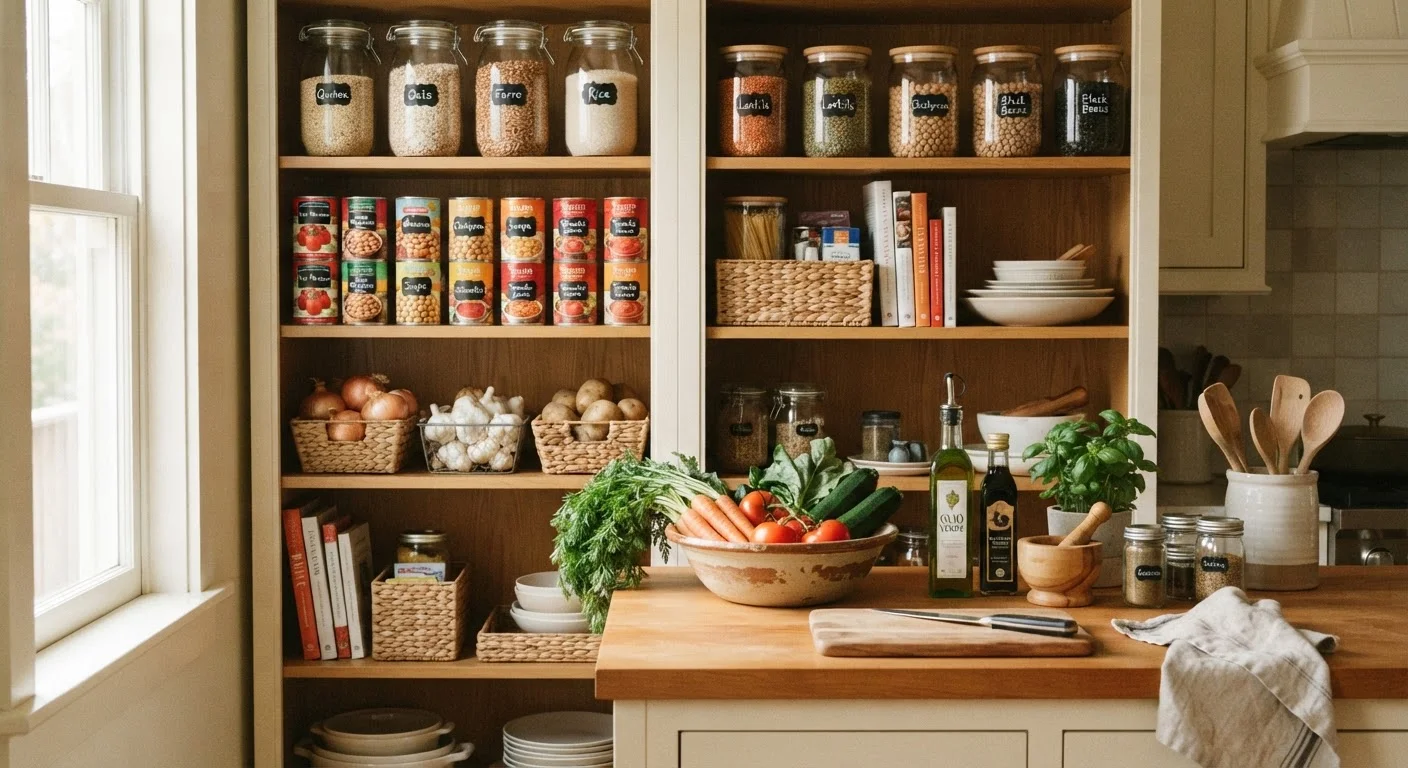
Photo: BridgeWish.com | Reliable Source Of Information editorial
Key Takeaways
- A well-stocked pantry with whole grains and legumes forms the backbone of balanced everyday meals.
- Fresh and frozen produce are nutritionally interchangeable — keeping both on hand adds flexibility.
- Healthy fats, acids, and aromatics are the flavor tools that make nutritious food genuinely satisfying.
- Protein variety — eggs, canned fish, beans, tofu — reduces reliance on any single animal source.
- Regular pantry audits prevent waste and keep your kitchen ready for spontaneous healthy cooking.
Why Your Pantry Is the Foundation of Healthy Eating
Nutrition decisions are largely made before you ever stand at the stove. When your kitchen holds the right ingredients, putting together a balanced meal becomes the path of least resistance — no last-minute takeout required. This checklist is designed to help you audit what you already have, identify gaps, and build a working pantry that supports nutritious cooking on any weeknight.
If you're also thinking about your broader kitchen setup, the Kitchen Readiness Checklist covers surfaces, tools, and equipment before any cooking session begins. And for a deeper look at nutrition basics, including how macronutrients and food groups work together, that hub is a useful companion to this practical guide.
Airtight dry-goods containers
Keep whole grains, lentils, and oats fresh longer and make it easy to see what needs restocking.
Pantry inventory notepad or app
Track what you have and what's running low so grocery trips are focused and efficient.
Measuring cups and spoons
Ensure accurate portions when cooking grains, legumes, and spice blends from pantry staples.
Freezer-safe storage bags or containers
Allow you to batch-cook grains or proteins and freeze portions for quick future meals.
How to Use This Checklist
Go category by category and check off what you currently have. For any gaps, add those items to your next grocery run. The goal isn't to buy everything at once — it's to build gradually toward a pantry that covers the major food groups and flavor needs of everyday cooking.
When you head to the store, the Grocery Shopping with Nutrition in Mind checklist can help you make intentional choices aisle by aisle. Once your pantry is stocked, practicing mise en place — organizing ingredients before you start cooking — will make the whole process smoother.
Variety Matters as Much as Volume
Items marked must are genuinely foundational — they show up in the widest range of meals and deliver significant nutritional value. Items marked should are strongly recommended for variety and flavor. Nice-to-have items expand your repertoire without being essential from day one.
Pantry Grains & Legumes
Canned & Jarred Goods
Healthy Fats, Acids & Flavor Builders
Fresh Refrigerator Staples
Frozen Foods
Keeping Your Kitchen Stocked Over Time
A stocked pantry isn't a one-time project — it's a habit. Set a brief monthly reminder to check expiration dates on canned goods, replenish dried staples running low, and rotate frozen items so nothing gets buried and forgotten. Proper storage matters too: common food storage mistakes — like keeping oils near heat or storing onions with potatoes — can significantly shorten shelf life and lead to unnecessary waste.
If you're ready to take your cooking a step further, learning to make a flavorful homemade stock from vegetable scraps or chicken bones is a natural next step — it uses what you already have and elevates soups, grains, and braises considerably.
Watch Sodium in Canned and Jarred Goods
This article provides general nutrition and cooking information for educational purposes. It is not a substitute for personalized advice from a registered dietitian or qualified healthcare professional. If you have specific dietary needs, food allergies, or a medical condition that affects what you eat, please consult a qualified professional before making significant changes to your diet.
The content on this site is for informational purposes only and is not a substitute for professional advice. Always consult a qualified professional for guidance specific to your situation.