
Grocery Shopping with Nutrition in Mind

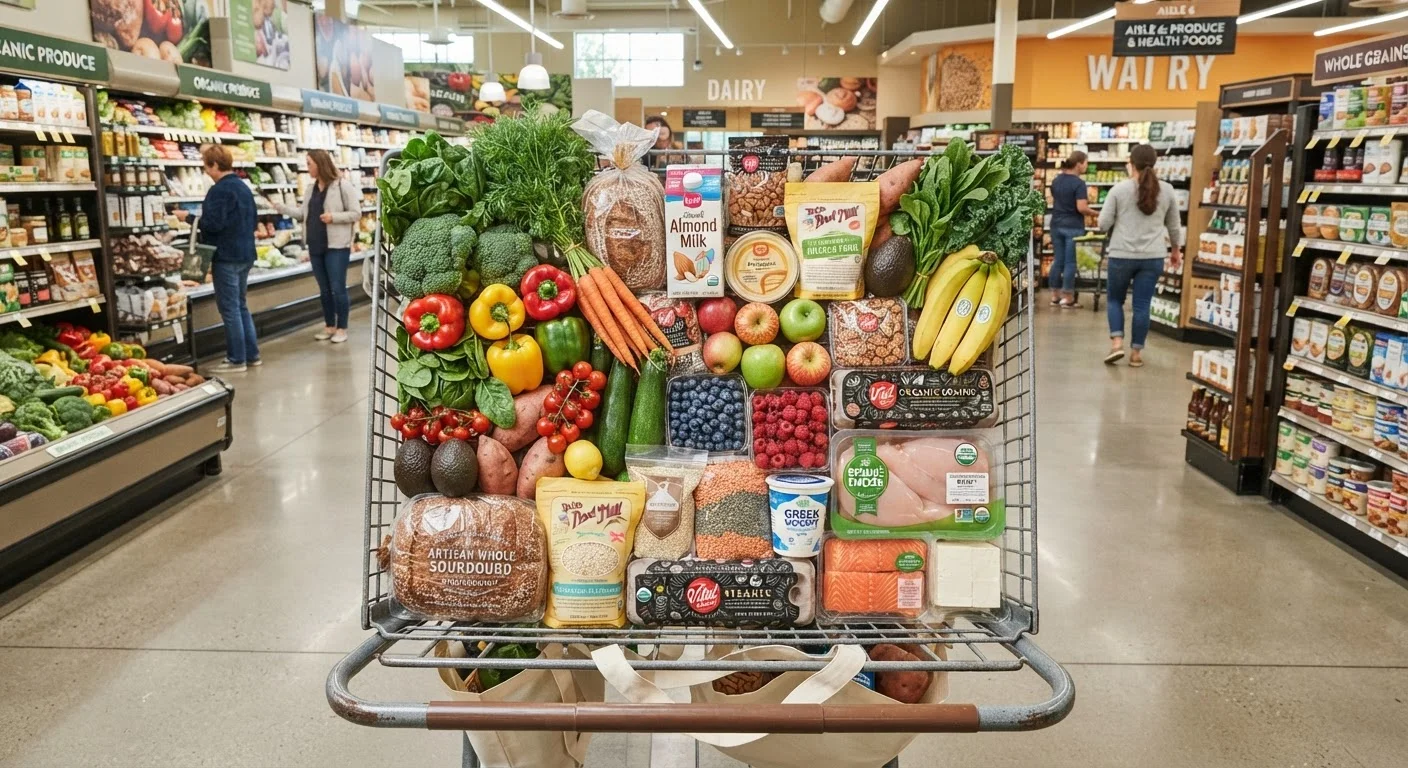
Photo: BridgeWish.com | Reliable Source Of Information editorial
Key Takeaways
- Planning meals and writing a list before shopping helps limit impulse purchases of less nutritious foods.
- The store perimeter typically houses whole, minimally processed foods like produce, dairy, and proteins.
- The Nutrition Facts label reveals serving size, added sugars, sodium, and fiber — four key numbers to check.
- Frozen vegetables and fruits are nutritionally comparable to fresh and can reduce food waste.
- Health claims on packaging (such as 'natural' or 'multigrain') do not automatically mean a food is nutritious.
Why Intentional Shopping Matters
What ends up in your cart shapes what ends up on your plate — and over time, those choices add up. Yet the modern supermarket is specifically designed to encourage impulse decisions, with placement, packaging, and labeling all influencing what we reach for. Going in with a nutrition-informed framework helps you cut through the noise.
This checklist draws on foundational principles covered in our Healthy Eating Basics hub and is meant to be a practical, repeatable tool you can use each week — not a rigid rulebook. Use as many or as few steps as fit your situation.
Weekly meal plan template
Organizes planned meals by day so your shopping list is complete and purposeful.
Grocery list (paper or app)
Keeps your shopping focused and reduces impulse additions that may not align with your nutrition goals.
Nutrition Facts panel decoder reference
A quick-reference guide to interpreting serving size, added sugars, sodium, and fiber on packaged food labels.
Unit price calculator (phone calculator)
Helps compare cost per ounce or serving between different sizes and brands of the same product.
Before You Leave Home
The most nutrition-supportive decisions happen before you walk through the store doors. A few minutes of preparation dramatically reduces the chance of defaulting to ultra-processed convenience items.
Before You Shop
Produce Section
Proteins and Dairy
Grains and Packaged Goods
Frozen Foods
If your household has specific dietary considerations — such as a gluten intolerance or wheat allergy — it helps to review those needs when planning. Our article on gluten-free eating explains the medical and lifestyle distinctions worth understanding before you shop.
Navigating the Store
Supermarket layout is not random. Understanding the typical store structure gives you a strategic edge when filling your cart.
Don't Let 'Health Halo' Labels Guide Your Cart
For a deeper look at how store design and packaging language influence decisions, see our companion piece on grocery shopping habits that support a healthier diet.
Once your cart reflects a solid nutritional foundation, the next step is making sure what you buy stays fresh and safe at home. Our guide on food storage mistakes that shorten shelf life covers common errors that compromise freshness.
Reading Labels Without Getting Lost
The Nutrition Facts panel is one of the most useful tools in the store — if you know which numbers to prioritize. Focus on these four in order:
- Serving size: All other numbers on the label are based on this amount. Check whether your actual portion matches it.
- Added sugars: Distinct from naturally occurring sugars (as in fruit or plain dairy), added sugars contribute calories with minimal nutritional benefit.
- Sodium: Processed, canned, and frozen prepared foods are common sources of high sodium intake.
- Dietary fiber: Higher fiber content generally indicates a more whole-grain or vegetable-forward product.
Serving Size Is the Starting Point
Marketing claims on the front of packages — words like natural, multigrain, or made with real fruit — are not regulated nutrition standards in the US. Always flip the package and check the Nutrition Facts panel and ingredients list directly. Our Nutrition Basics hub covers how to interpret these labels in greater depth.
Making the Most of Your Haul
What you buy only pays off nutritionally if it gets used. A few habits at the end of your trip help bridge the gap between the cart and the table.
For practical guidance on building a well-stocked kitchen that makes weeknight cooking easier, see our checklist on stocking a kitchen for nutritious everyday cooking.
This article is for general informational and educational purposes only and is not a substitute for personalized advice from a registered dietitian or qualified healthcare professional. If you have specific dietary needs or health conditions, consult a professional before making significant changes to your diet.
The content on this site is for informational purposes only and is not a substitute for professional advice. Always consult a qualified professional for guidance specific to your situation.