
Eating Well Across Every Meal: A Practical Day-in-the-Life Framework

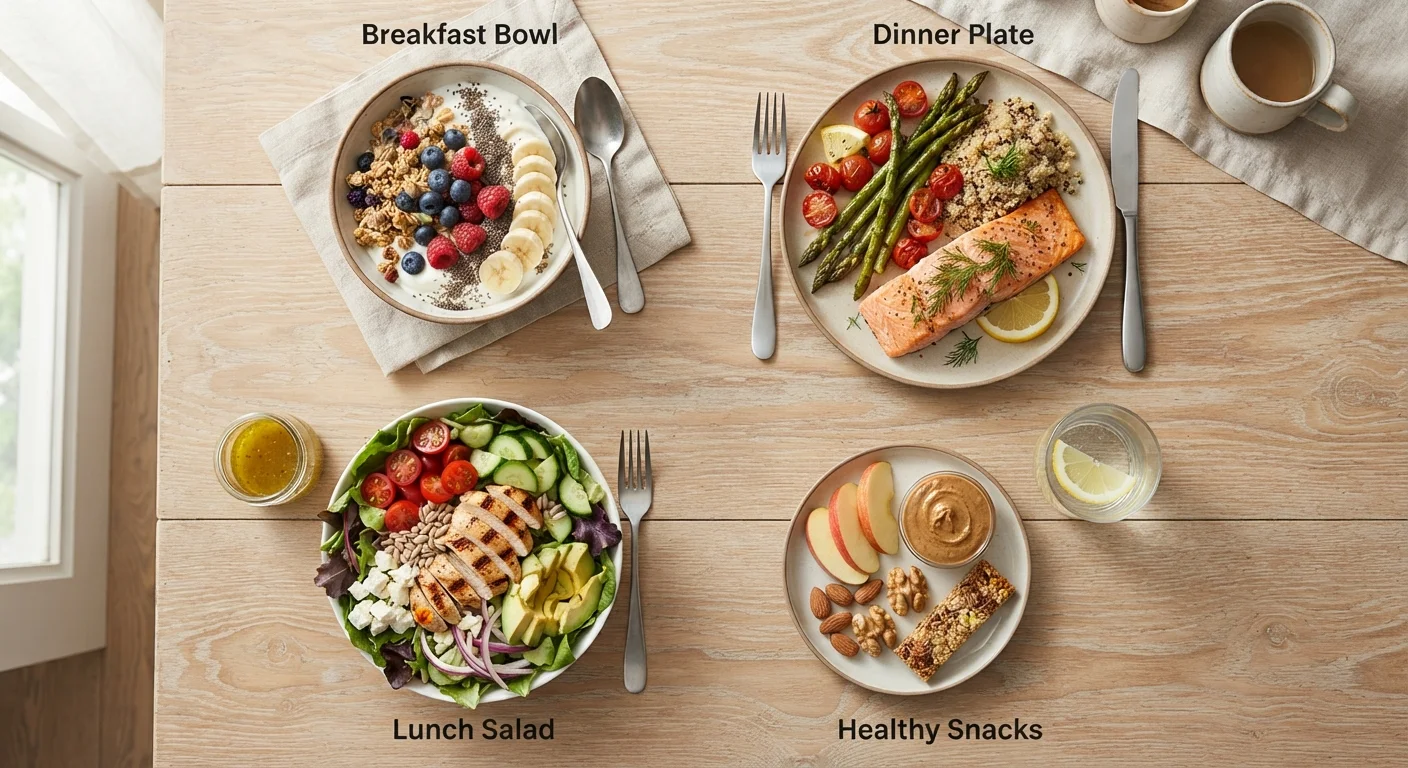
Photo: BridgeWish.com | Reliable Source Of Information editorial
Key Takeaways
- Each meal plays a distinct role — breakfast anchors energy, lunch sustains it, dinner rounds out nutrient gaps.
- Including protein, fiber, and healthy fat at most meals helps maintain steadier energy levels throughout the day.
- Snacks work best when they combine two food groups rather than serving as standalone processed treats.
- You don't need to overhaul your entire diet — small, consistent upgrades at each meal accumulate meaningful results.
- Nutrient variety across the full day matters more than perfection at any single meal.
Why a Meal-by-Meal Framework Works
Most nutrition advice focuses on what to eat in the abstract — more vegetables, less added sugar, adequate protein. Practical as that guidance is, it often breaks down at 7 a.m. when you're staring into the refrigerator. A meal-by-meal framework bridges that gap by giving each eating occasion a clear, manageable purpose.
Rather than overhauling your entire routine at once, this approach lets you make one small upgrade per meal. Over time, those upgrades stack. Research consistently shows that dietary patterns — the sum of everyday food choices — matter more for long-term health than any single "superfood" or one-off decision. For a deeper look at how needs vary by life stage, see our article on how nutritional requirements shift across life stages.
The framework below treats breakfast, lunch, snacks, and dinner as complementary parts of a whole. No single meal needs to be perfect; what matters is that the full day covers the major nutritional bases: protein, fiber, healthy fats, vitamins, minerals, and adequate hydration.
90%
Americans falling short on vegetable intake
According to the Dietary Guidelines for Americans, about 9 in 10 Americans do not meet recommended vegetable intake levels.
~10%
Of US calories come from added sugars
NHANES data indicates added sugars account for roughly 10% of total daily caloric intake in US adults on average.
3x
More fiber in whole vs. refined grains
Whole grains retain their bran and germ, delivering roughly three times the dietary fiber of their refined counterparts.
Breakfast: Setting a Nutritional Baseline
Breakfast doesn't need to be elaborate, but it should do two things: supply a steady source of energy and include enough protein and fiber to delay the mid-morning slump. A meal heavy in refined carbohydrates alone — think a plain bagel or sugary cereal — tends to spike blood sugar and leave you hungry again within an hour or two.
A more durable breakfast pairs a complex carbohydrate (oats, whole-grain toast, fruit) with a protein source (eggs, Greek yogurt, nut butter, legumes) and some fat (avocado, nuts, seeds). This combination slows digestion and provides more sustained fuel.
Practical Breakfast Builds
- Grain + protein + fat: Oatmeal topped with a spoonful of almond butter and a handful of berries
- Egg-based: Two scrambled eggs with sautéed vegetables on whole-grain toast
- Dairy or dairy-alternative base: Plain yogurt layered with fruit and a tablespoon of seeds
Prep your breakfast protein the night before — hard-boil eggs or portion out yogurt — so even a five-minute morning still starts with something sustaining.
When building a lunch salad, add a legume — chickpeas, lentils, or edamame — to cover both protein and fiber in one ingredient.
If mornings are rushed, strategies for eating well on a busy schedule can help you prep components the night before without a major time commitment.
Lunch: Sustaining Energy Through the Afternoon
Lunch carries the important job of preventing the mid-afternoon energy crash — a common productivity killer. The same logic that applies to breakfast holds here: pairing protein, fiber-rich carbohydrates, and some fat keeps blood sugar stable and helps you stay focused.
A useful mental template for lunch is the plate method: fill roughly half the plate with non-starchy vegetables (greens, tomatoes, cucumbers, roasted broccoli), a quarter with a lean protein (chicken, fish, beans, tofu, hard-boiled eggs), and a quarter with a complex carbohydrate (brown rice, quinoa, whole-grain bread, lentils). Add a small amount of healthy fat — olive oil dressing, a few slices of avocado — and you have a nutritionally complete meal.
Batch Your Lunch Components
Variety at lunch also supports broader nutritional goals. Rotating protein sources and vegetables across the week introduces a wider range of micronutrients. For more ideas, see our guide on building a week of meals around nutritional variety.
Snacks: Bridging Gaps Without Derailing Progress
Snacks get a bad reputation largely because of the snack foods most heavily marketed — chips, candy, sweetened drinks. But a well-constructed snack is simply a small version of what makes a good meal: it pairs two food groups and provides genuine fuel rather than empty calories.
The most effective snacks tend to combine protein or fat with a fiber source, which slows digestion and avoids the energy spike-and-crash cycle. Think apple slices with nut butter, a small handful of mixed nuts with a piece of fruit, hummus with vegetable sticks, or cottage cheese with cucumber.
Hunger Cues Trump Fixed Schedules
Not everyone needs snacks. Hunger between meals is a useful signal — if you're consistently satisfied through to your next meal, adding snacks isn't necessary. Tune in to your own hunger and fullness cues rather than eating on a fixed schedule if that doesn't suit your lifestyle. For a contrasting approach to meal timing, our explainer on what happens to your body between meals during intermittent fasting covers how meal windows affect the body.
Dinner: Rounding Out the Day
Dinner is your best opportunity to fill in any nutritional gaps from earlier in the day. If breakfast was light on vegetables, load them into dinner. If lunch skipped a protein source, make it the centerpiece of the evening meal. Viewing dinner this way takes pressure off every earlier meal to be complete in isolation.
Practically, a dinner that follows the plate method — half vegetables, a quarter protein, a quarter starch — covers most bases. What changes from lunch is the opportunity to focus on slower-cooking, more deeply flavored preparations: roasted root vegetables, braised legumes, baked fish. These techniques add variety in texture and flavor without requiring extra ingredients.
Common Dinner Gaps Worth Filling
- Low vegetable intake during the day: Add a large side salad or double the vegetable portion
- Insufficient fiber: Swap refined pasta or white rice for legumes, whole grains, or extra vegetables
- Missing healthy fats: Dress vegetables with olive oil, or include a fatty fish like salmon
Eating well consistently doesn't require elaborate planning. Our companion article on building a weekly meal pattern that actually sticks shows how to translate these daily habits into a sustainable weekly rhythm.
“The diet as a whole is what matters most for health outcomes — not individual foods or single meals. Consistent patterns of eating plenty of vegetables, fruits, whole grains, legumes, and lean proteins are what the evidence supports.”
— Walter Willett, Professor of Epidemiology and Nutrition, Harvard T.H. Chan School of Public Health
Putting It All Together
The value of a day-in-the-life framework is that it makes nutrition decisions smaller and more specific. Instead of asking "Am I eating healthily?" — a vague question — you ask: Did breakfast have protein and fiber? Does lunch have vegetables? Is there a balanced snack if I need one? Does dinner fill today's gaps?
You don't need to answer "yes" to all of those every single day. Dietary quality is built over weeks and months, not won or lost in a single meal. For a structured way to evaluate your weekly nutritional coverage, see our checklist on what to think through before planning a week of balanced eating.
If cost is a concern, strong nutrition is achievable on most budgets. Our evidence-based guide on eating well on a budget covers which staples offer the best nutritional value for money.
MyPlate (USDA)
The USDA's MyPlate resource translates federal dietary guidelines into a simple visual framework. Useful for understanding recommended food group proportions at each meal.
Dietary Guidelines for Americans
The official federal dietary guidelines, updated every five years, provide evidence-based recommendations on food groups, nutrients, and eating patterns for the general US population.
Weekly Meal Pattern Builder
A simple planning template helps translate daily meal principles into a weekly structure, reducing decision fatigue and making nutritious eating more automatic over time.
This article is for general informational purposes only and is not a substitute for personalized advice from a registered dietitian or qualified healthcare professional. Individual nutritional needs vary. If you have specific health conditions or dietary concerns, please consult a qualified professional.
The content on this site is for informational purposes only and is not a substitute for professional advice. Always consult a qualified professional for guidance specific to your situation.