
The Home Cook's Pantry: Ingredients Worth Keeping Stocked

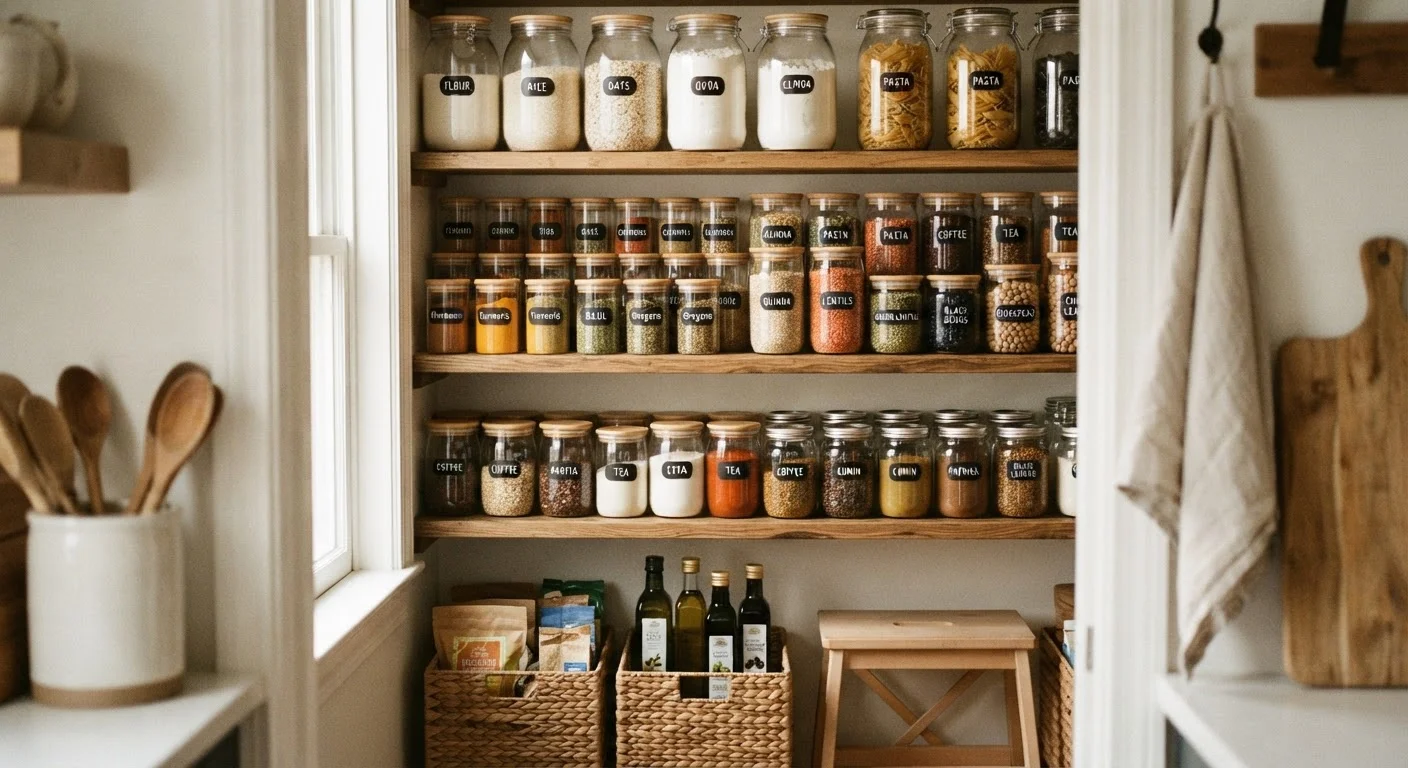
Photo: BridgeWish.com | Reliable Source Of Information editorial
Why a Stocked Pantry Changes Everything
The biggest obstacle to cooking at home isn't skill — it's friction. When you open the refrigerator at 6 p.m. and find only scattered odds and ends, even confident cooks reach for takeout. A thoughtfully stocked pantry removes that friction. It means that with a handful of fresh produce or protein, you can pull together a complete, satisfying meal on almost any night.
This isn't about hoarding every ingredient imaginable. It's about identifying a core set of shelf-stable items that are genuinely versatile, have a long useful life, and earn their place through repeated use. If you're also thinking through your tools, see our guide to essential kitchen tools for the equipment side of the equation.
| Shelf life of dried pasta | 1–2 years unopened (USDA Food Safety Guidelines) |
| Shelf life of canned goods | 2–5 years (best by date varies) (USDA Food Safety and Inspection Service) |
| Ground spice potency window | 6–12 months after opening (General culinary guidance) |
| Olive oil best used within | 12–18 months of production date (International Olive Council) |
| Dried lentils cook time | 20–30 minutes, no soaking required (General culinary reference) |
The Core Categories Every Pantry Needs
Grains and Starches
Long-grain white or brown rice, dried pasta in at least one shape, and rolled oats cover an enormous range of meals — from weeknight grain bowls to morning porridge. Breadcrumbs (plain, dried) are quietly indispensable for binding, topping, and coating. Store grains in airtight containers to extend shelf life and deter pests.
Legumes
Canned chickpeas, black beans, and lentils deliver protein and fiber with zero prep time. Dried lentils cook faster than most dried legumes — no overnight soaking needed — and make a filling base for soups, salads, and sides. Legumes are among the most cost-effective pantry items available. For how these fit into a health-focused kitchen overall, the nutritious kitchen stocking guide offers useful context.
Canned and Jarred Essentials
Whole peeled or crushed tomatoes form the backbone of countless sauces, braises, and soups. Canned coconut milk opens up curries and grain dishes. Good-quality olive oil and a neutral oil (such as avocado or vegetable oil) handle different cooking temperatures. Soy sauce, fish sauce, and a mild vinegar (white wine or apple cider) are small-volume flavor multipliers that last for months.
Aromatics and Dry Spices
Garlic powder, smoked paprika, cumin, dried oregano, red pepper flakes, and black pepper handle the flavor foundation for global cuisines. Kosher salt in a wider-mouthed container allows for easy pinching and even seasoning. These dry aromatics supplement — not replace — the fresh garlic, onions, and ginger you'll reach for regularly.
Shelf-stable
Foods that can be safely stored at room temperature without refrigeration until opened. Examples include canned goods, dried grains, and dried legumes.
Aromatics
Ingredients used primarily for their fragrance and flavor, such as garlic, onion, ginger, and celery. They form the flavor base of most savory cooking.
Umami
A savory, deeply satisfying taste quality found in ingredients like soy sauce, fish sauce, tomatoes, and aged cheeses. Adding umami-rich pantry items deepens the flavor of many dishes.
Smoke point
The temperature at which a cooking fat begins to break down and produce smoke. Choosing the right oil for the cooking method — sautéing vs. high-heat searing — depends on smoke point.
Storage Habits That Protect What You Buy
Even the best pantry ingredients lose quality if stored carelessly. Heat, light, and moisture are the primary enemies of shelf-stable food. Keep oils away from the stove — a cool, dark cabinet preserves flavor far longer. Spices retain their potency best when stored whole and ground as needed, though pre-ground works fine if used within six to twelve months of opening.
Label containers with the date you opened or decanted them. This simple habit helps you rotate stock properly and catch anything past its prime before it ends up in a finished dish. For a closer look at what commonly goes wrong, our piece on food storage mistakes that shorten shelf life covers the most frequent errors and easy fixes.
Once your pantry is in order, the next step is learning how to prep before you cook. Mise en place — the habit of setting up ingredients before you start — reduces mistakes and speeds up every session at the stove.
Pantry Building Is Gradual, Not All at Once
The content on this site is for informational purposes only and is not a substitute for professional advice. Always consult a qualified professional for guidance specific to your situation.