
Mediterranean, DASH, and Plant-Based Eating: How Three Popular Diets Compare

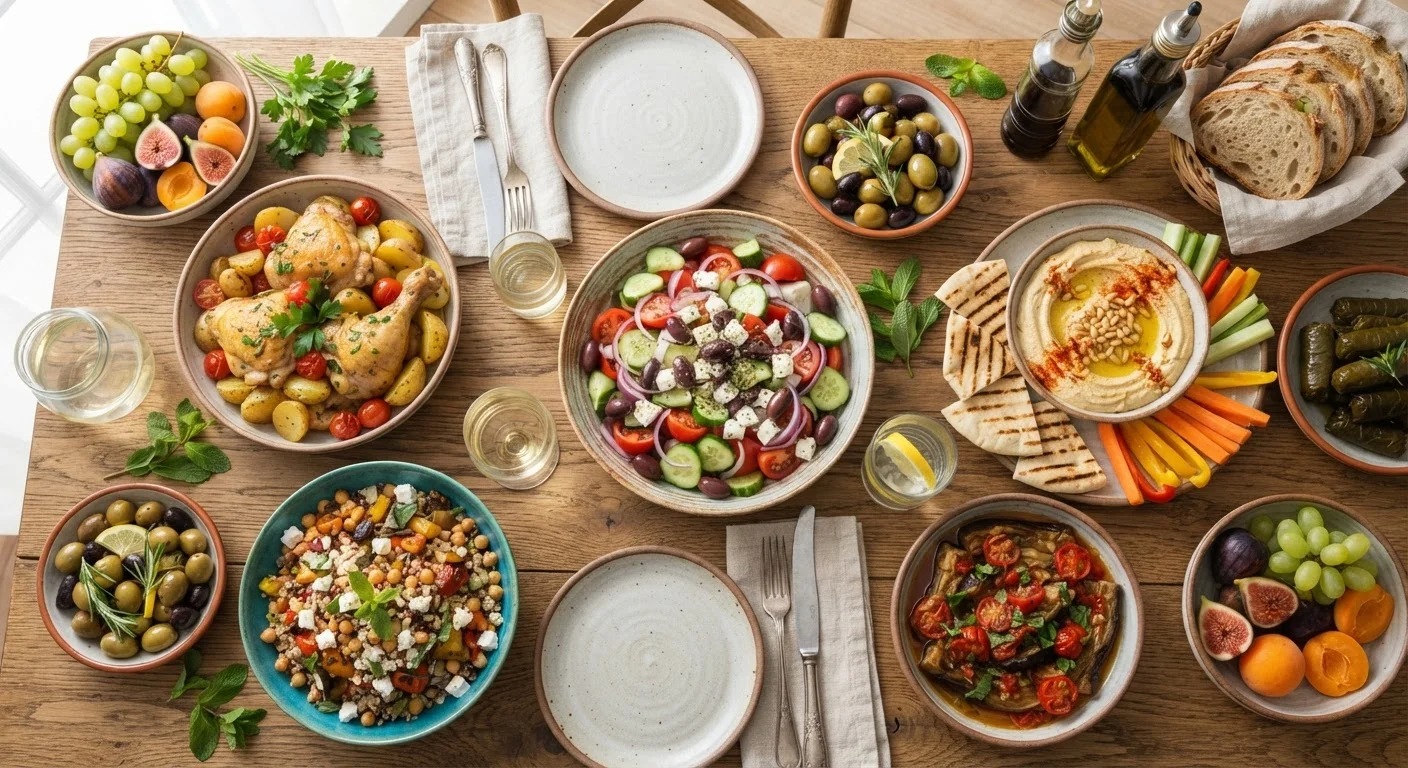
Photo: BridgeWish.com | Reliable Source Of Information editorial
Key Takeaways
- All three diets emphasize whole foods, vegetables, and minimally processed ingredients as their foundation.
- The Mediterranean diet is flexible and food-culture-oriented; DASH was specifically designed to target blood pressure.
- Plant-based eating varies widely in strictness, from flexitarian to fully vegan approaches.
- No single pattern suits everyone — individual health goals, preferences, and medical history all matter.
- Consulting a registered dietitian can help you find the approach most aligned with your personal needs.
What Each Dietary Pattern Actually Emphasizes
Understanding these three patterns starts with knowing what each one is — and is not.
The Mediterranean Diet is modeled on traditional eating habits of countries bordering the Mediterranean Sea. It prioritizes olive oil as the primary fat, generous amounts of vegetables and fruit, legumes, whole grains, fish and seafood (at least twice weekly), moderate dairy and poultry, and limited red meat. Notably, it also embraces meals as a social and cultural experience. For a broader look at how this pattern fits into the research landscape, see eating patterns studied for long-term health.
The DASH Diet (Dietary Approaches to Stop Hypertension) was developed specifically to help lower blood pressure through food. It emphasizes fruits, vegetables, low-fat dairy, whole grains, poultry, fish, and nuts, while deliberately limiting sodium, saturated fat, red meat, and added sugars. DASH is one of the most clinically studied dietary frameworks in existence.
Plant-Based Eating is an umbrella term covering a wide spectrum — from flexitarian (occasional meat) to vegetarian to fully vegan. The common thread is centering meals around plants: vegetables, fruits, legumes, nuts, seeds, and whole grains. The degree to which animal products are excluded varies considerably by individual choice. Plant-based versus omnivore eating involves real nutritional trade-offs worth understanding before committing.
Side-by-Side: How They Stack Up Across Key Criteria
While all three patterns share a whole-food foundation, they differ in important ways across flexibility, sodium guidance, animal food inclusion, and practical complexity.
| Mediterranean | DASH | Plant-Based | |
|---|---|---|---|
| Primary focus | Whole-food lifestyle, heart health | Blood pressure reduction | Reducing or eliminating animal foods |
| Animal products allowed | Yes — fish, poultry, dairy, limited red meat | Yes — lean meats, low-fat dairy | Varies: none to occasional |
| Sodium guidance | Not explicitly restricted | Explicitly limits sodium intake | Depends on individual foods chosen |
| Primary fat source | Olive oil emphasized | Any unsaturated fat; saturated fat limited | Varies; often nuts, seeds, avocado |
| Flexibility / strictness | High — few hard restrictions | Moderate — clear sodium and fat targets | Wide range: low to very strict |
| Nutrient planning needed | Minimal for most people | Moderate — sodium tracking | Higher — B12, iron, omega-3s to monitor |
| Evidence base | Extensive long-term studies | Strong clinical trial evidence | Growing body of research |
One pattern worth noting separately is the MIND diet — a hybrid of Mediterranean and DASH specifically designed with brain health in mind. It illustrates how these frameworks are often built upon and combined rather than treated as rigid competing systems.
Where These Diets Overlap — and Why That Matters
Despite their different origins and emphases, Mediterranean, DASH, and plant-based eating share a striking amount of common ground. All three:
- De-emphasize ultra-processed foods, refined grains, and added sugars
- Encourage generous vegetable and fruit intake
- Include legumes (beans, lentils, chickpeas) as a protein and fiber staple
- Recommend whole grains over refined alternatives
- Limit or discourage high consumption of red and processed meats
This convergence is meaningful. Eating patterns consistently linked to long-term wellbeing tend to share these same structural features across very different cultural contexts. The specifics — olive oil versus canola oil, dairy versus no dairy — matter less than the overall dietary pattern. Traditional eating habits across cultures reinforce this point repeatedly.
Start With the Overlap, Not the Differences
Practical Considerations: Choosing a Pattern That Fits Your Life
The research is clear that long-term dietary adherence — actually sticking to a pattern — matters more than choosing the theoretically optimal one. A few questions worth considering:
- What are your primary health goals?
- If blood pressure management is a priority, DASH's specific sodium guidelines provide clear structure. If environmental impact motivates you alongside health, plant-based eating offers the most direct alignment.
- How much flexibility do you need?
- Mediterranean eating is widely regarded as one of the least restrictive evidence-backed patterns. Plant-based eating, especially vegan variants, requires more planning — particularly around nutrients like vitamin B12, iron, and omega-3 fatty acids.
- Do you have specific medical conditions?
- Anyone managing kidney disease, diabetes, cardiovascular conditions, or eating disorder history should discuss dietary changes with a qualified healthcare provider before making significant shifts. General dietary patterns are not a substitute for individualized medical guidance.
For a wider look at how these and other frameworks compare, popular diet patterns compared side by side covers additional approaches including low-carb and flexitarian eating.
This article is for general informational and educational purposes only and is not a substitute for personalized medical or nutritional advice. Consult a qualified healthcare professional or registered dietitian before making significant changes to your diet, especially if you have an existing health condition.
The content on this site is for informational purposes only and is not a substitute for professional advice. Always consult a qualified professional for guidance specific to your situation.